- Published on: Feb 28, 2025
- 2 minute read
- By: SecondMedic Expert
10 Best Immunity-Boosting Foods To Eat This Summer For A Healthy Body




Maintaining a strong immune system is crucial, especially during the summer when high temperatures and dehydration can take a toll on your health. The good news is that nature provides us with an abundance of nutrient-rich summer foods for immunity that help keep infections at bay while keeping us refreshed and energized.
In this blog, we will explore the top 10 immune-boosting foods in summer, highlighting their benefits and how they contribute to overall wellness.
1. Watermelon: A Hydrating Powerhouse
Watermelon is one of the best hydrating foods that boost immunity. Packed with vitamins A and C, it strengthens the immune system while keeping you hydrated. The high water content (over 90%) prevents dehydration and flushes out toxins from the body. Enjoy watermelon slices, smoothies, or chilled juice to stay cool and healthy.
2. Citrus Fruits: Vitamin C-Rich Immunity Boosters
Citrus fruits like oranges, lemons, and grapefruits are among the best immunity-boosting fruits for summer. Loaded with vitamin C, these fruits enhance white blood cell production, which is essential for fighting infections. Adding a glass of fresh orange juice or lemon water to your diet can significantly support your immune function.
3. Cucumber: The Cooling Superfood
Cucumbers are another excellent hydrating food that boosts immunity. They contain antioxidants and anti-inflammatory properties that keep your immune system strong while reducing heat-related stress on the body. You can add them to salads, detox waters, or eat them as a refreshing snack.
4. Mango: The King of Summer Fruits
Mangoes are more than just delicious; they are a summer superfood for immunity. Rich in beta-carotene, vitamin C, and antioxidants, mangoes help improve digestion and protect against infections. Enjoy them in smoothies, fruit bowls, or as a standalone treat.
5. Coconut Water: The Natural Electrolyte Booster
Coconut water is an excellent natural drink that replenishes lost electrolytes while being one of the top hydrating foods that boost immunity. It contains potassium, magnesium, and vitamin C, making it a perfect summer drink to stay hydrated and support immune function.
6. Yogurt: Probiotic-Rich Gut Healer
A healthy gut is the foundation of strong immunity, and yogurt is one of the best nutrient-rich summer foods for immunity. Probiotics found in yogurt enhance gut health by promoting good bacteria, which in turn helps strengthen the immune system. Include yogurt in your breakfast, smoothies, or as a cooling side dish.
7. Papaya: A Digestion and Immunity Booster
Papaya is another fantastic immunity-boosting fruit for summer due to its high vitamin C and papain enzyme content. This tropical fruit not only supports digestion but also strengthens the immune system. Eat it raw, in salads, or blend it into a smoothie for a refreshing summer boost.
8. Berries: Antioxidant Powerhouses
Strawberries, blueberries, and raspberries are loaded with antioxidants, fiber, and vitamin C, making them some of the best summer foods for immunity. These fruits protect the body from oxidative stress and inflammation while enhancing immune response. Add them to yogurt, oatmeal, or salads for a delicious nutrient boost.
9. Leafy Greens: Nutrient-Dense Immunity Enhancers
Spinach, kale, and lettuce are packed with essential vitamins, including A, C, and E, which make them nutrient-rich summer foods for immunity. These greens support the production of white blood cells and help the body fight infections. Enjoy them in salads, smoothies, or light sautéed dishes.
10. Tomatoes: Lycopene-Rich Superfood
Tomatoes contain lycopene, a powerful antioxidant that protects cells from damage. They are also a great source of vitamin C, making them one of the top 10 immune-boosting foods in summer. Add tomatoes to your salads, sandwiches, or soups for a flavorful immunity boost.
Final Thoughts
Eating the right foods during summer can help keep your body healthy, hydrated, and infection-free. Incorporating these best summer foods for immunity into your daily diet will provide essential nutrients to strengthen your immune system.
To maintain overall well-being, stay hydrated, follow a balanced diet, and get plenty of rest. By choosing immunity-boosting fruits for summer and nutrient-rich summer foods for immunity, you can enjoy the season with full energy and optimal health.
Read FAQs
A. The best summer foods for immunity include watermelon, citrus fruits, yogurt, coconut water, berries, and leafy greens, as they provide essential vitamins, antioxidants, and hydration.
A. Hydrating foods like cucumbers, watermelon, and coconut water prevent dehydration, flush out toxins, and help in proper nutrient absorption, which strengthens the immune system.
A. Yes! Mangoes are rich in vitamin C, beta-carotene, and antioxidants, which help improve immunity and digestion, making them a great summer superfood.
A. Yogurt contains probiotics, which promote gut health by increasing good bacteria, ultimately enhancing immune function and digestion.
A. You can add fruits to smoothies, make fresh salads, drink citrus-infused water, eat yogurt with berries, and consume leafy greens in light summer meals to boost immunity.


Why Preventive Healthcare Is More Important Than Treatment: A Smarter Approach to Health
Healthcare systems worldwide are shifting focus from reactive treatment to proactive prevention. While medical treatments have advanced significantly, preventing disease before it develops remains the most effective strategy for long-term health.
Understanding why preventive healthcare is more important than treatment empowers individuals to take control of their wellbeing and reduce future health risks.
What Is Preventive Healthcare?
Preventive healthcare involves measures taken to avoid disease rather than treating it after symptoms appear.
It includes:
-
Routine health checkups
-
Vaccinations
-
Blood pressure monitoring
-
Diabetes screening
-
Cancer screening
-
Healthy lifestyle habits
The goal is early detection and risk reduction.
1. Early Detection Saves Lives
Many serious conditions develop silently, including:
-
Diabetes
-
Hypertension
-
Heart disease
-
Cancer
Regular screening identifies these conditions at an early stage when treatment is more effective and less invasive.
2. Reduces Healthcare Costs
Treating advanced diseases often involves:
-
Hospitalization
-
Surgery
-
Long-term medication
-
Intensive care
Preventive care reduces these costs by identifying risks early and managing them promptly.
3. Improves Quality of Life
Prevention focuses on maintaining optimal health.
Healthy individuals experience:
-
Higher energy levels
-
Better productivity
-
Improved mental wellbeing
-
Reduced stress
Staying healthy enhances overall life satisfaction.
4. Prevents Chronic Diseases
Lifestyle diseases such as obesity, diabetes and cardiovascular disorders are largely preventable.
Preventive measures include:
-
Balanced nutrition
-
Regular exercise
-
Smoking cessation
-
Stress management
These habits significantly lower disease risk.
5. Reduces Complications
Early management prevents complications such as:
-
Kidney damage from diabetes
-
Stroke from uncontrolled hypertension
-
Heart attacks due to high cholesterol
Preventive healthcare minimizes disease progression.
6. Encourages Health Awareness
Routine checkups increase awareness about:
-
Body weight
-
Blood sugar levels
-
Cholesterol
-
Nutritional deficiencies
Awareness motivates positive lifestyle changes.
Preventive Healthcare in the Indian Context
India faces rising rates of lifestyle diseases.
Urbanization, sedentary jobs and dietary changes have increased non-communicable diseases.
Preventive healthcare initiatives such as annual health screenings and awareness programs are critical to reducing the national disease burden.
Key Components of Preventive Care
Regular Health Screenings
-
Blood pressure checks
-
Blood sugar tests
-
Lipid profile
-
Thyroid tests
Vaccinations
-
Influenza
-
Hepatitis
-
COVID-19
-
Tetanus
Vaccines prevent infectious diseases.
Lifestyle Modification
-
Healthy diet
-
Daily exercise
-
Adequate sleep
-
Stress reduction
These form the foundation of prevention.
Treatment vs Prevention: A Comparison
Prevention |
Treatment |
Focuses on avoiding disease |
Focuses on managing disease |
Lower cost |
Higher cost |
Less invasive |
Often invasive |
Long-term benefits |
May involve side effects |
Prevention reduces risk before complications arise.
When Should Preventive Care Begin?
Preventive healthcare is important at every stage of life.
Adults above 30 years should undergo annual health checkups, especially if they have:
-
Family history of chronic disease
-
Sedentary lifestyle
-
Obesity
-
Smoking habits
Early intervention makes a measurable difference.
Overcoming Barriers to Prevention
Common challenges include:
-
Lack of time
-
Fear of diagnosis
-
Financial concerns
Solutions involve:
-
Corporate health programs
-
Insurance coverage for screenings
-
Digital health platforms
Encouraging routine checkups improves participation.
The Long-Term Impact of Prevention
Consistent preventive care leads to:
-
Increased life expectancy
-
Reduced healthcare burden
-
Improved economic productivity
-
Healthier communities
Healthy populations contribute to national growth.
Conclusion
Preventive healthcare is more important than treatment because it addresses health risks before they escalate into serious conditions. Early detection, regular screenings and healthy lifestyle habits reduce disease burden, save costs and improve quality of life.
While treatment remains essential when illness occurs, prevention offers a smarter and more sustainable approach to long-term wellbeing.
Taking proactive steps today can protect your health for years to come. Prevention is not just a medical strategy — it is a commitment to a healthier future.
References
-
Indian Council of Medical Research – Preventive Health Reports
-
World Health Organization – Preventive Healthcare Guidelines
-
National Family Health Survey – Lifestyle Disease Data
-
NITI Aayog – Health Strategy Reports
-
Lancet Global Health – Preventive Medicine Research



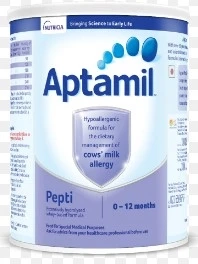
Aptamil Pepti Infant Formula 0 to 12 Months Tin 400gm
Brand: Nutricia International Private Limited
₹2000.00₹1960.00
View Details

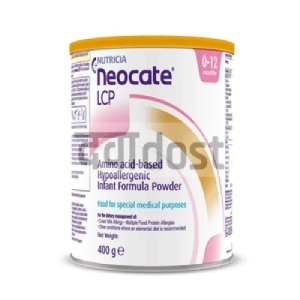
Neocate LCP Infant Formula Powder 400GM
Brand: Nutricia International Private Limited
₹3300.00₹3234.00
View Details
Web Stories


Popular Lab Test






Live Doctor consultation
Live Doctor Chat

Fees ₹99
General Physician

Dr. Syed Mukhtar Mohiuddin
MBBS, MD , Fellowship in Diabetes Mellitus (UK)
- 7 Years
- English
Available at 00:00 to 07:00
Fees ₹99
General Physician
Fees ₹99
General Physician
Fees ₹99
General Physician
Fees ₹99
General Physician
Download Our App & Get Consultation from anywhere.