- Published on: Mar 06, 2026
- 5 minute read
- By: SecondMedic
Best Home Remedies For Glowing Skin




Glowing skin is not simply a cosmetic goal. It is a visible reflection of skin health, hydration, and cellular repair. While the market is flooded with serums and treatments, dermatologists consistently observe that the most sustainable skin glow comes from consistent, simple, and evidence-supported practices. The good news is that many of the most effective ingredients are already available in an Indian kitchen.
Why Skin Loses Its Natural Glow
Before applying any remedy, understanding the root cause of dull skin is essential. Dermatologists identify the following as the most common triggers in the Indian context:
|
Cause |
Effect on Skin |
|
Pollution and sun exposure |
Oxidative stress, pigmentation, uneven tone |
|
Dehydration |
Reduced elasticity, dryness, dullness |
|
Poor diet and nutrient deficiency |
Slowed cell renewal, loss of radiance |
|
Disrupted sleep |
Impaired skin repair, dark circles, puffiness |
|
Hormonal imbalance |
Acne, oiliness, pigmentation |
|
Harsh skincare products |
Damaged skin barrier, redness, sensitivity |
Identifying and addressing the underlying cause is as important as applying any topical remedy. Skin that appears dull despite consistent care often signals an internal factor requiring dietary or medical attention.
Which Home Remedy is Best for Glowing Skin?
Among all widely used natural ingredients, raw honey combined with aloe vera gel is considered the most universally effective home remedy for glowing skin. Honey acts as a humectant, drawing moisture into the skin, while its antibacterial and antioxidant compounds protect against environmental damage. Aloe vera complements this by delivering vitamins A, C, and E directly into the skin, supporting collagen synthesis and reducing inflammation.
This combination works across all skin types, requires no preparation time, and demonstrates consistent results in clinical observations relating to skin hydration and barrier repair. Applied three times a week for 15 to 20 minutes, this remedy produces visible improvement in skin texture and brightness within two to three weeks of regular use. For individuals with oily or acne-prone skin, aloe vera used alone without honey is the preferred option as it is non-comedogenic and lightweight.
Top Home Remedies for Glowing Skin by Skin Type
One of the most significant gaps in standard advice is that remedies are rarely matched to skin type. Applying the wrong ingredient can worsen the skin condition rather than improve it. Dermatologists recommend the following skin-type specific approach:
|
Skin Type |
Best Remedy |
Key Benefit |
Frequency |
|
Dry Skin |
Raw honey and milk paste |
Deep hydration, lactic acid exfoliation |
3 times per week |
|
Oily Skin |
Multani mitti with rose water |
Sebum control, pore tightening |
2 times per week |
|
Combination Skin |
Aloe vera gel |
Balances moisture without clogging pores |
Daily |
|
Sensitive Skin |
Oat flour and plain yogurt pack |
Soothes inflammation, gentle exfoliation |
2 times per week |
|
Normal Skin |
Turmeric and honey mask |
Antioxidant boost, brightening |
2 to 3 times per week |
|
Dull or Pigmented Skin |
Potato juice or tomato pulp |
Natural kojic acid, reduces pigmentation |
3 times per week |
Matching the remedy to skin type is the single most important factor in achieving consistent results from any natural skincare routine.
Which Kitchen Ingredients Work Best for Skin Glow?
Several common Indian kitchen ingredients carry clinically recognised skin benefits. The mechanism behind each ingredient matters as much as the application method:
Turmeric (Haldi): Contains curcumin, a potent antioxidant and anti-inflammatory compound. Curcumin inhibits melanin synthesis, which helps reduce pigmentation and uneven skin tone over time. Used as a paste with milk or honey, turmeric is one of the most researched natural brightening agents.
Raw Milk: Contains lactic acid, a naturally occurring alpha hydroxy acid (AHA) that gently exfoliates dead skin cells, stimulates collagen production, and improves skin luminosity. Applying raw cold milk with a cotton pad and leaving it for 15 minutes is a simple and effective brightening practice.
Besan (Gram Flour): Functions as a mild physical exfoliant and oil absorber. Mixed with turmeric and rose water, besan-based face packs have been used across Indian households for generations and remain dermatologically appropriate for most skin types.
Aloe Vera: Rich in polysaccharides that support skin hydration and mucilaginous compounds that form a protective barrier. Clinical data supports its use in reducing UV-induced skin damage and accelerating epidermal repair.
Potato Juice: Contains catecholase, an enzyme with mild skin-lightening properties. Particularly useful for reducing dark circles, tan lines, and post-inflammatory hyperpigmentation.
How to Get Glowing Skin Naturally in One Week
Most competitors list remedies without telling readers how to actually use them together. The following 7-day routine is structured to progressively address cleansing, exfoliation, hydration, and brightening within a single week:
|
Day |
Morning |
Evening |
|
Day 1 |
Raw milk cotton pad cleanse |
Aloe vera gel application |
|
Day 2 |
Rose water toner |
Honey and aloe vera mask (15 min) |
|
Day 3 |
Raw milk cleanse |
Turmeric and honey mask (10 min) |
|
Day 4 |
Rose water toner |
Aloe vera gel application |
|
Day 5 |
Raw milk cleanse |
Besan, turmeric and rose water pack (15 min) |
|
Day 6 |
Rose water toner |
Potato juice on dark spots (20 min) |
|
Day 7 |
Raw milk cleanse |
Honey and aloe vera mask (15 min) |
This routine uses no more than three to four ingredients across the entire week, minimising the risk of ingredient overload or skin irritation. Always perform a patch test on the inner forearm before applying any new ingredient to the face.
Lifestyle Habits That Support Glowing Skin From Within
Topical remedies address the surface. Skin glow that is deep and lasting is primarily determined by internal health factors that all four competitor articles fail to address:
Hydration: Dermatologists observe that inadequate water intake is the single most common and most overlooked cause of dull skin among Indian adults. A minimum of 2.5 to 3 litres of water daily supports cellular metabolism and maintains skin turgor.
Diet: Skin cells require vitamins C, E, and A along with zinc and omega-3 fatty acids for repair and renewal. Indian dietary staples such as amla (Indian gooseberry), carrots, spinach, walnuts, and flaxseeds provide these nutrients in bioavailable forms. Reducing refined sugar intake is equally important, as excess glucose triggers glycation, a process that breaks down collagen and accelerates skin ageing.
Sleep: The skin's repair cycle peaks during deep sleep between 11 PM and 3 AM. Chronic sleep deprivation elevates cortisol, which degrades collagen and increases inflammatory skin conditions. Clinical specialists recommend seven to eight hours of uninterrupted sleep as a non-negotiable component of any skin improvement plan.
Gut Health: Emerging dermatological research on the gut-skin axis confirms that dysbiosis (imbalance of gut bacteria) is linked to acne, rosacea, and dull skin. Incorporating fermented foods such as curd and buttermilk into the daily diet supports gut microbiome balance, which in turn improves skin clarity.
Home Remedies to Avoid: What Dermatologists Warn Against
This section exists in none of the competing articles and represents the most clinically important addition to this topic. Several widely promoted "natural" skin remedies are actively harmful:
Lemon juice directly on skin: Lemon juice has a pH of approximately 2, far too acidic for direct skin application. It disrupts the skin's natural acid mantle (pH 4.5 to 5.5), causes photosensitivity, and can result in chemical burns or permanent pigmentation when skin is exposed to sunlight post-application.
Baking soda: Despite its popularity on social media, baking soda has an alkaline pH of 9, which severely disrupts the skin barrier, strips natural oils, and causes microbial imbalance on the skin surface.
Toothpaste on pimples: Toothpaste contains fluoride, menthol, and hydrogen peroxide, none of which are formulated for skin. It causes contact dermatitis, dryness, and post-inflammatory hyperpigmentation, particularly on Indian skin tones.
Undiluted essential oils: Applying undiluted tea tree oil, lavender oil, or any essential oil directly on the face without a carrier oil causes irritant contact dermatitis and skin sensitisation.
Dermatologists advise that if a remedy causes stinging, redness, or visible irritation, it should be discontinued immediately regardless of how widely it is recommended online.
Read FAQs
A. Home remedies can reduce mild pigmentation over time but cannot permanently remove deep or hormonally driven dark spots. For persistent hyperpigmentation, a dermatologist-prescribed treatment is required.
A. Most evidence-supported home remedies show noticeable improvement in skin texture and brightness within two to four weeks of consistent use. Expecting overnight results from natural ingredients is unrealistic and often leads to overuse and skin damage.
A. Most topical remedies such as aloe vera, raw milk, and besan are safe during pregnancy. However, high-concentration turmeric applications and any remedy containing essential oils should be discussed with an obstetrician before use.
A. Yes, all remedies mentioned are suitable for men. Men with oily skin and frequent sun exposure benefit particularly from aloe vera, multani mitti, and rose water-based routines.
A. Sunscreen is non-negotiable regardless of any skincare routine. Without SPF 30 or above applied every morning, UV radiation will continue to cause oxidative damage and pigmentation, negating the benefits of any home remedy.


Vitamin D Deficiency Symptoms: Signs Your Body May Be Lacking Vitamin D
Vitamin D is an essential nutrient that plays a vital role in maintaining strong bones, supporting the immune system and regulating several important functions in the body. Despite its importance, vitamin D deficiency is one of the most common nutritional deficiencies worldwide.
In India, vitamin D deficiency has become increasingly prevalent due to lifestyle factors such as limited sunlight exposure, indoor working environments and dietary habits. According to the Indian Council of Medical Research (ICMR), a significant percentage of the population may have insufficient vitamin D levels.
Recognizing the symptoms of vitamin D deficiency early is important because prolonged deficiency can lead to serious health complications affecting bones, muscles and overall wellbeing.
What Is Vitamin D and Why Is It Important?
Vitamin D is often called the “sunshine vitamin” because the body produces it when the skin is exposed to sunlight. It plays a key role in calcium absorption, which is essential for maintaining healthy bones and teeth.
In addition to bone health, vitamin D supports several important functions including:
immune system regulation
muscle function
inflammation control
hormonal balance
Low levels of vitamin D can disrupt these functions and contribute to various health problems.
Common Symptoms of Vitamin D Deficiency
Vitamin D deficiency can manifest through several symptoms, many of which are often overlooked or mistaken for other health issues.
Persistent Fatigue
Constant tiredness or low energy levels may be one of the earliest signs of vitamin D deficiency. Even after adequate rest, individuals with low vitamin D levels may continue to feel exhausted.
Vitamin D plays a role in cellular energy production, and insufficient levels may contribute to chronic fatigue.
Bone and Back Pain
One of the most well-known effects of vitamin D deficiency is bone discomfort. Vitamin D helps the body absorb calcium, which is essential for maintaining bone strength.
Low vitamin D levels may cause:
bone pain
lower back pain
increased risk of fractures
Persistent bone discomfort should be evaluated by a healthcare professional.
Muscle Weakness
Vitamin D is important for muscle health and function. Deficiency can lead to muscle weakness, cramps or general muscle fatigue.
Older adults with vitamin D deficiency may also experience reduced mobility and increased risk of falls.
Frequent Illness or Infections
Vitamin D plays a key role in supporting the immune system. Individuals with low vitamin D levels may experience frequent colds, infections or slower recovery from illness.
Research suggests that adequate vitamin D levels help strengthen immune defenses against respiratory infections.
Mood Changes and Depression
Vitamin D may influence brain function and mood regulation. Some studies have found a connection between low vitamin D levels and mood disorders such as depression or anxiety.
People experiencing persistent mood changes should consider evaluating vitamin levels as part of a broader health assessment.
Hair Loss
Severe vitamin D deficiency may contribute to hair thinning or hair loss. While hair loss can have multiple causes, nutritional deficiencies including vitamin D deficiency may play a role.
Slow Wound Healing
Vitamin D contributes to the body’s inflammatory response and tissue repair processes. Individuals with deficiency may notice slower wound healing or delayed recovery from injuries.
Who Is at Risk of Vitamin D Deficiency?
Several factors can increase the risk of vitamin D deficiency.
Limited Sun Exposure
People who spend most of their time indoors or use strong sun protection regularly may not receive enough sunlight to produce sufficient vitamin D.
Urban lifestyles and indoor work environments contribute to this problem.
Older Adults
As people age, the skin becomes less efficient at producing vitamin D from sunlight. Older adults may therefore require additional dietary intake or supplements.
Individuals with Darker Skin
Melanin reduces the skin’s ability to produce vitamin D from sunlight. Individuals with darker skin tones may require longer sun exposure to produce adequate levels.
Poor Dietary Intake
Few foods naturally contain vitamin D. Diets lacking fortified foods, dairy products or fatty fish may contribute to deficiency.
Medical Conditions
Certain medical conditions such as kidney disease, liver disease or digestive disorders can affect vitamin D absorption and metabolism.
How Is Vitamin D Deficiency Diagnosed?
Vitamin D deficiency is diagnosed through a simple blood test that measures the level of 25-hydroxyvitamin D in the bloodstream.
Doctors may recommend testing for individuals who experience symptoms of deficiency or belong to high-risk groups.
Early diagnosis allows healthcare providers to recommend appropriate treatment and lifestyle adjustments.
How to Improve Vitamin D Levels
Sunlight Exposure
Regular sunlight exposure is one of the most effective ways to increase vitamin D levels. Experts generally recommend 10 to 30 minutes of sunlight exposure several times per week, depending on skin type and location.
Dietary Sources of Vitamin D
Although limited, certain foods contain vitamin D, including:
fatty fish such as salmon and mackerel
egg yolks
fortified milk and cereals
mushrooms
Including these foods in the diet can help maintain healthy vitamin D levels.
Vitamin D Supplements
In cases of significant deficiency, doctors may recommend vitamin D supplements. The dosage depends on the individual’s vitamin levels, age and health status.
It is important to take supplements under medical supervision to avoid excessive intake.
Preventing Vitamin D Deficiency
Maintaining adequate vitamin D levels requires a balanced combination of sunlight exposure, proper nutrition and regular health monitoring.
Routine health checkups and vitamin testing can help identify deficiencies early and prevent complications.
Adopting a healthy lifestyle with balanced nutrition and outdoor activity can significantly improve vitamin D status and overall health.
Conclusion
Vitamin D deficiency is a common but often overlooked health concern. Symptoms such as fatigue, bone pain, muscle weakness and frequent infections may indicate low vitamin D levels.
Early detection and proper management are essential to prevent long-term health complications. By ensuring adequate sunlight exposure, maintaining a balanced diet and undergoing regular health checkups, individuals can support healthy vitamin D levels and improve overall wellbeing.
Recognizing the warning signs of vitamin D deficiency and seeking timely medical advice can help protect long-term health and maintain optimal body function.
References
-
Indian Council of Medical Research (ICMR) – Nutritional Deficiency Reports
-
World Health Organization (WHO) – Micronutrient Deficiency Guidelines
-
National Institute of Nutrition (NIN) India – Vitamin D Research Reports
-
Lancet Public Health – Nutritional Health Studies
-
National Institutes of Health (NIH) – Vitamin D Fact Sheets for Health Professionals


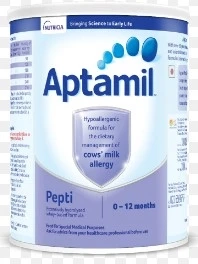
Aptamil Pepti Infant Formula 0 to 12 Months Tin 400gm
Brand: Nutricia International Private Limited
₹2000.00₹1960.00
View Details
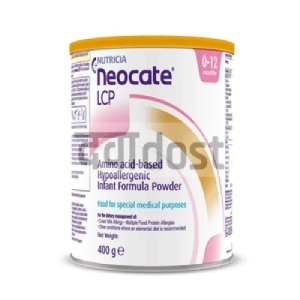
Neocate LCP Infant Formula Powder 400GM
Brand: Nutricia International Private Limited
₹3300.00₹3234.00
View Details
Web Stories


Popular Lab Test






Live Doctor consultation
Live Doctor Chat

Fees ₹99
General Physician

Dr. Syed Mukhtar Mohiuddin
MBBS, MD , Fellowship in Diabetes Mellitus (UK)
- 7 Years
- English
Available at 00:00 to 07:00
Fees ₹99
General Physician
Fees ₹99
General Physician
Fees ₹99
General Physician
Fees ₹99
General Physician
Download Our App & Get Consultation from anywhere.