- Published on: May 08, 2022
- 3 minute read
- By: Second Medic Expert
Cholesterol Management




The best way to lower cholesterol is by making dietary changes and increasing physical activity. Dietary changes that can help lower cholesterol include: eating foods low in saturated fat and trans fat, eating foods high in fiber, eating a variety of fruits and vegetables, avoiding sugary drinks, and moderate alcohol consumption. Physical activity helps to burn calories and thus helps reduce weight which has been linked with lower blood cholesterol levels. Regular aerobic exercise can also raise "good" HDL cholesterol levels and improve the function of the lining of blood vessels.
The most important thing to remember is that cholesterol is not a "bad" molecule. In fact, cholesterol is essential for human life. Cholesterol is a critical component of all cell membranes, and it's also required for the production of hormones (including testosterone, estrogen, and progesterone) and vitamin D. The problem is that too much cholesterol can lead to health problems. LDL ("bad") cholesterol can accumulate in the walls of your arteries, leading to atherosclerosis (a narrowing and hardening of the arteries). This can reduce blood flow to the heart and other organs, eventually leading to heart attack or stroke.
Cholesterol is a lipid (fatty molecule) that is carried in the blood. It has several important functions in the body, including being a structural component of cell membranes and being a precursor to the production of certain hormones. There are two types of cholesterol - high-density lipoprotein (HDL) and low-density lipoprotein (LDL). HDL is often referred to as "good cholesterol" because it helps to remove LDL from the blood and transport it to the liver, where it can be broken down and eliminated from the body. LDL is often referred to as "bad cholesterol" because high levels of LDL have been linked with an increased risk of heart disease.
Cholesterol is a type of fat that is produced by the liver and is found in all the body's cells. It helps produce certain hormones, build cell membranes, and digest food. There are two types of cholesterol: HDL, which is considered "good" cholesterol because it helps remove bad cholesterol from the blood; and LDL, which is considered "bad" cholesterol because it can lead to heart disease when it builds up in the arteries.
Cholesterol levels can be lowered by eating a healthy diet that is low in saturated and trans fats, exercising regularly, and maintaining a healthy weight. Some people may also need to take medication to lower their cholesterol levels. Cholesterol is a type of lipid or fat that is essential for human life. It is a component of every cell in the body, and it helps to form cell membranes, which are important for protecting cells and helping them to function properly. Cholesterol also helps to produce hormones, including testosterone and estrogen.
The body produces all the cholesterol it needs, and there is no need to add cholesterol to the diet. However, some foods do contain cholesterol, including eggs, poultry, meat, seafood, and dairy products. Too much cholesterol in the blood can increase the risk of heart disease. For this reason, it is important to keep blood cholesterol levels within healthy limits. The first step in cholesterol management is understanding your cholesterol levels and what they mean. Total cholesterol is a measure of the amount of cholesterol in your blood. LDL cholesterol (low-density lipoprotein) is a type of bad cholesterol that can build up in your arteries and increase your risk for heart disease. HDL cholesterol (high-density lipoprotein) is a good type of cholesterol that helps remove LDL from your arteries.
Your doctor may recommend lifestyle changes, such as eating a healthy diet and exercising regularly, to help lower your total and LDL cholesterol levels if they are high. You may also need medication to help lower your bad cholesterol levels. Talk to your doctor about which treatment options are best for you. Cholesterol is a lipid found in the cell membranes of all body tissues. It is essential for the proper function of cells, including the brain and nerve cells. Cholesterol also plays a role in the production of some hormones.
In order to maintain good health, it's important to have normal levels of cholesterol in your blood. Too much cholesterol can lead to heart disease and other health problems. There are two types of cholesterol: "good" cholesterol (HDL) and "bad" cholesterol (LDL). HDL helps keep your blood vessels open and prevents fatty deposits from building up on the walls of your arteries. LDL can cause fatty deposits to build up on the walls of your arteries, leading to heart disease. Cholesterol is a type of lipid, or fat, that is found in all body tissues. It is necessary for the normal functioning of the body. Cholesterol helps form and maintain cell membranes, insulate nerve cells, and produce hormones
Cholesterol levels can be controlled by eating a healthy diet, becoming physically active, and maintaining a healthy weight. The National Institutes of Health (NIH) recommends eating foods low in saturated fat and cholesterol to help lower blood cholesterol levels. These foods include fruits, vegetables, whole grains, low-fat dairy products, poultry without the skin, fish, beans, nuts, and seeds.
Cholesterol is a lipid (fat molecule) that is produced by the body and is found in all body tissues. It is used to produce testosterone, vitamin D, and other important hormones. Cholesterol also helps the body form cell membranes and some of the nerve sheaths surrounding our cells. People often think of cholesterol as a "bad" substance because high levels of it in the blood have been linked with heart disease. But, like most things, cholesterol is not good or bad; it is simply a natural compound that serves important functions in the body. The key is to have healthy levels of cholesterol – not too much and not too little.
The body needs cholesterol to make hormones (such as estrogen and testosterone), vitamin D, and bile acids that help to digest food. Cholesterol can't dissolve in the blood on its own so it needs special proteins called lipoproteins to carry it around. There are two types of lipoproteins: low-density lipoprotein (LDL) and high density lipoprotein (HDL).


Fever for 3 Days ? Should You Visit a Doctor or Wait
A fever lasting three days raises valid concern for patients and caregivers alike. While many febrile episodes resolve independently, a persistent fever lasting 72 hours warrants careful evaluation. Understanding when to seek medical attention and when watchful waiting is appropriate can prevent unnecessary complications and guide timely clinical intervention.
Should You Visit a Doctor If Fever Lasts for 3 Days?
A fever persisting for three consecutive days in adults generally requires medical evaluation, particularly when body temperature exceeds 103°F (39.4°C) or when additional symptoms such as breathlessness, severe headache, or rash are present. In children under five years, medical consultation is recommended after 48 to 72 hours of unresolved fever regardless of severity. Physicians advise against self-managing a three-day fever without professional assessment in high-risk populations.
Clinically, a three-day fever threshold is significant because most viral infections producing fever resolve within 48 to 72 hours. Fever persisting beyond this window may indicate a bacterial infection, an underlying inflammatory condition, or a secondary complication requiring targeted diagnostic workup. In the Indian clinical context, endemic infections such as dengue, typhoid, and malaria must be considered as potential etiologies when fever extends beyond 72 hours.
Common Causes of Persistent Fever in Adults and Children
Persistent fever lasting three or more days may originate from a range of infectious and non-infectious etiologies. Identifying the underlying cause is essential for selecting appropriate treatment.
Infectious Causes:
- Viral infections: Influenza, dengue fever, chikungunya, COVID-19
- Bacterial infections: Typhoid fever (enteric fever), urinary tract infections, pneumonia, tuberculosis
- Parasitic infections: Malaria (particularly relevant in tropical regions of India)
Non-Infectious Causes:
- Autoimmune or inflammatory conditions
- Drug-induced fever (fever as an adverse drug reaction)
- Post-vaccination fever (typically resolves within 48 hours)
| Condition | Typical Fever Duration | Key Associated Symptoms |
|---|---|---|
| Viral fever | 3 to 5 days | Body ache, fatigue, runny nose |
| Dengue fever | 5 to 7 days | Severe joint pain, rash, low platelet count |
| Typhoid fever | 7 to 14 days | Abdominal pain, diarrhea or constipation, rose spots |
| Malaria | Cyclical pattern | Chills, sweating, rigors |
| Urinary tract infection | Variable | Burning urination, flank pain |
What to Do When Fever Does Not Go Down After 3 Days
When fever does not subside after 72 hours, the immediate recommended course of action is to consult a general physician or internist for clinical assessment. Antipyretic medications such as paracetamol (acetaminophen) can manage symptom discomfort but do not treat the underlying cause. Blood investigations including a complete blood count (CBC), malarial antigen test, and dengue NS1 antigen test are standard first-line diagnostics in India.
Beyond seeking medical consultation, patients should maintain adequate hydration, rest, and nutritional intake. Oral rehydration is particularly important in a tropical climate where fever accelerates fluid loss. Specialists caution against self-prescribing antibiotics without laboratory confirmation, as indiscriminate antibiotic use contributes to antimicrobial resistance, a significant public health concern in India. Clinical data supports early laboratory testing as the most effective step when fever persists beyond three days.
Warning Signs That Require Immediate Medical Attention
Certain symptoms accompanying a three-day fever indicate medical emergencies requiring immediate hospital evaluation rather than home management.
Patients or caregivers should seek emergency care if any of the following are present:
- Fever above 104°F (40°C) that does not respond to antipyretics
- Severe headache with neck stiffness (possible meningitis)
- Difficulty breathing or chest pain
- Skin rash appearing alongside fever (possible dengue or viral exanthem)
- Altered consciousness, confusion, or seizures
- Persistent vomiting preventing oral hydration
- Fever in infants below three months of age
- Fever in immunocompromised patients (those on chemotherapy, steroids, or with HIV)
- Signs of dehydration: sunken eyes, dry mouth, reduced urine output
In children, febrile seizures can occur at temperatures above 102°F (38.9°C). While often self-limiting, any seizure associated with fever requires urgent pediatric evaluation.
Can a 3-Day Fever Resolve Without Medical Treatment?
In otherwise healthy adults, a mild to moderate fever (below 102°F) lasting three days caused by a self-limiting viral infection can resolve without specific medical treatment. The immune system typically clears common viral pathogens within three to five days. Supportive care including rest, hydration, and antipyretics is sufficient in low-risk cases.
However, resolution without medical treatment is not advisable for children under five, adults above 65, pregnant women, or individuals with chronic conditions such as diabetes or heart disease. Clinical evidence consistently indicates that delayed diagnosis in these populations increases the risk of serious complications. In regions with high prevalence of vector-borne diseases such as dengue and malaria, assuming a self-limiting viral cause without testing carries significant risk. Medical consultation remains the safest and most clinically sound approach when fever persists beyond three days.
Medical Disclaimer
This content is intended for educational and informational purposes only and does not constitute medical advice, diagnosis, or treatment. Readers experiencing persistent fever or related symptoms should consult a qualified healthcare professional for evaluation and management.
If you are facing similar health concerns, consult expert doctors online through the SecondMedic app or visit your nearest SecondMedic Health Hub for in-person care


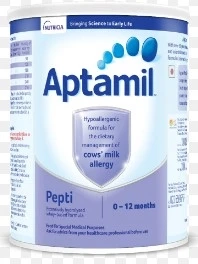
Aptamil Pepti Infant Formula 0 to 12 Months Tin 400gm
Brand: Nutricia International Private Limited
₹2000.00₹1960.00
View Details

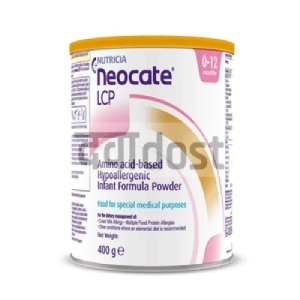
Neocate LCP Infant Formula Powder 400GM
Brand: Nutricia International Private Limited
₹3300.00₹3234.00
View Details
Web Stories


Popular Lab Test






Live Doctor consultation
Live Doctor Chat

Fees ₹99
General Physician
Fees ₹99
General Physician
Fees ₹99
General Physician

Dr. Syed Mukhtar Mohiuddin
MBBS, MD , Fellowship in Diabetes Mellitus (UK)
- 7 Years
- English
Available at 00:00 to 07:00
Fees ₹99
General Physician
Fees ₹99
General Physician
Download Our App & Get Consultation from anywhere.