- Published on: May 29, 2025
- 4 minute read
- By: Secondmedic Expert
COVID-19 Prevention In 2025: How To Stay Safe As Cases Rise Again




In 2025, COVID-19 has once again started to rise in different parts of the world. While many of us thought the worst was behind us, new variants and changing weather conditions have caused a fresh surge in cases. It's a reminder that we still need to be cautious and take preventive steps to protect ourselves and others.
Whether you’re at home, work, school, or traveling, prevention remains the best way to stay safe. In this blog, we’ll guide you through simple, practical steps you can take to reduce your risk of getting infected.
Why Are COVID-19 Cases Rising Again in 2025?
There are several reasons why we’re seeing a rise in cases again:
-
New Variants: Mutations in the virus have made some variants more contagious.
-
Seasonal Changes: Viruses tend to spread more during cooler months.
-
Relaxed Precautions: Many people have stopped wearing masks or maintaining social distance.
-
Vaccine Fatigue: Some individuals haven’t received booster shots or skipped their vaccinations.
While the current variants may be less severe for many, they can still cause serious illness—especially in older adults, people with weak immune systems, and those with underlying conditions.
Top COVID-19 Prevention Tips for 2025
Here are the most effective and updated ways to stay protected as cases increase:
1. Stay Up-to-Date with Vaccinations
Vaccines continue to be our strongest shield against COVID-19. In 2025, updated booster shots are available for the latest variants.
-
Check with your doctor or health center to see if you’re due for a booster.
-
Encourage your family members, especially seniors, to stay updated.
-
Vaccines reduce the risk of severe illness, hospitalization, and long-term complications.
2. Wear a Mask in Public Spaces
Masks might feel like a thing of the past, but they’re still effective—especially in crowded or indoor areas.
-
Use a proper N95, KN95, or triple-layer mask.
-
Wear a mask when using public transport, visiting hospitals, or attending events.
-
Even a cloth mask is better than no mask in areas where cases are rising.
3. Practice Good Hand Hygiene
Germs are everywhere, and the virus can live on surfaces for several hours.
-
Wash your hands regularly with soap and water.
-
Use an alcohol-based hand sanitizer when you’re outside.
-
Avoid touching your face, nose, and eyes unnecessarily.
4. Avoid Crowded Indoor Spaces
The more people in a closed area, the higher the chance of virus spread.
-
Try to avoid packed shopping malls, events, or offices with poor ventilation.
-
If you have to be in such places, wear a mask and try to limit your time there.
-
Keep windows open to improve air circulation at home and work.
5. Monitor for Symptoms
Stay alert to common COVID-19 symptoms like:
-
Fever or chills
-
Cough
-
Sore throat
-
Fatigue
-
Headache
-
Loss of taste or smell
If you notice any symptoms:
-
Get tested immediately.
-
Stay at home and avoid contact with others.
-
Follow isolation guidelines until you're fully recovered.
6. Test Regularly and Use Home Kits
Rapid antigen tests are easily available at pharmacies and can be used at home.
-
Test yourself if you feel unwell or were exposed to someone with COVID-19.
-
Keep a few home test kits ready, especially if you have kids or elderly at home.
-
Early detection helps you isolate faster and avoid spreading the virus.
7. Boost Your Immune System Naturally
A healthy immune system helps fight off infections more effectively.
-
Eat a balanced diet full of fruits, vegetables, proteins, and whole grains.
-
Stay hydrated and avoid too much junk food or sugary drinks.
-
Exercise for at least 30 minutes a day—yoga, walking, or stretching at home is enough.
-
Get 7–8 hours of good sleep every night.
-
Try to manage stress through meditation or hobbies you enjoy.
8. Work and Learn Safely
Whether you're back in the office or attending school/college:
-
Wear a mask if others around you are coughing or sneezing.
-
Disinfect your workspace or desk regularly.
-
Carry your own water bottle and avoid sharing utensils.
-
Use virtual meetings whenever possible.
9. Travel with Care
If you're planning to travel, take extra care:
-
Wear a mask at airports, railway stations, and in taxis.
-
Sanitize your hands frequently.
-
Avoid eating in public places during travel if you can.
-
Follow local COVID-19 guidelines at your destination.
10. Stay Informed, Not Fearful
Stay connected with trusted health sources like:
-
WHO (World Health Organization)
-
India’s Ministry of Health and Family Welfare (MoHFW)
-
Local government health departments
Avoid rumors and unverified social media forwards. Knowledge is power, and being informed helps you make the right decisions for your family.
Special Care for Vulnerable Groups
People above 60, children under 5, and individuals with health conditions like diabetes, heart disease, or asthma should be extra careful.
-
Make sure they are vaccinated and wear masks in public.
-
Keep emergency medications and contacts handy.
-
Limit visitors and exposure during the current surge.
Mental Health Matters Too
Pandemic fatigue is real. Don’t let stress or anxiety take over.
-
Take short breaks from the news if it feels overwhelming.
-
Talk to friends or family members regularly.
-
If needed, speak to a therapist or counselor online.
Final Words: Stay Safe, Stay Responsible
The good news is that we’ve learned a lot in the past few years. We now have better tools, more knowledge, and the strength to face COVID-19 again.
Everyone has a role to play. Your actions not only protect you but also your family, neighbors, and co-workers.
Conclusion: COVID-19 Prevention in 2025: How to Stay Safe as Cases Rise Again
As COVID-19 cases rise again in 2025, it's time to return to the basics of safety and care. Don’t panic—but don’t be careless either. Simple steps like wearing a mask, washing hands, avoiding crowds, and getting vaccinated can go a long way.
If you feel unwell or need medical advice, consult a doctor from the comfort of your home. Visit SecondMedic for trusted healthcare support.
Let’s all do our part in COVID-19 Prevention in 2025: How to Stay Safe as Cases Rise Again.
Read FAQs
A. The best ways to prevent COVID-19 in 2025 include staying vaccinated, wearing masks in public, practicing hand hygiene, avoiding crowded indoor spaces, and staying informed through reliable sources.
A. Yes, wearing a mask is still recommended in crowded or enclosed places, even if you are vaccinated, especially when new variants are circulating.
A. Booster frequency may vary depending on your health condition and local guidelines, but experts recommend checking for updates every 6–12 months.
A. Yes, while many cases are mild, COVID-19 can still lead to severe illness, especially for seniors, immunocompromised individuals, and those with chronic diseases.
A. If you have symptoms, isolate yourself, get tested immediately, and consult a doctor. Use online consultations if needed to avoid exposing others.


Vitamin D Deficiency Symptoms: Signs Your Body May Be Lacking Vitamin D
Vitamin D is an essential nutrient that plays a vital role in maintaining strong bones, supporting the immune system and regulating several important functions in the body. Despite its importance, vitamin D deficiency is one of the most common nutritional deficiencies worldwide.
In India, vitamin D deficiency has become increasingly prevalent due to lifestyle factors such as limited sunlight exposure, indoor working environments and dietary habits. According to the Indian Council of Medical Research (ICMR), a significant percentage of the population may have insufficient vitamin D levels.
Recognizing the symptoms of vitamin D deficiency early is important because prolonged deficiency can lead to serious health complications affecting bones, muscles and overall wellbeing.
What Is Vitamin D and Why Is It Important?
Vitamin D is often called the “sunshine vitamin” because the body produces it when the skin is exposed to sunlight. It plays a key role in calcium absorption, which is essential for maintaining healthy bones and teeth.
In addition to bone health, vitamin D supports several important functions including:
immune system regulation
muscle function
inflammation control
hormonal balance
Low levels of vitamin D can disrupt these functions and contribute to various health problems.
Common Symptoms of Vitamin D Deficiency
Vitamin D deficiency can manifest through several symptoms, many of which are often overlooked or mistaken for other health issues.
Persistent Fatigue
Constant tiredness or low energy levels may be one of the earliest signs of vitamin D deficiency. Even after adequate rest, individuals with low vitamin D levels may continue to feel exhausted.
Vitamin D plays a role in cellular energy production, and insufficient levels may contribute to chronic fatigue.
Bone and Back Pain
One of the most well-known effects of vitamin D deficiency is bone discomfort. Vitamin D helps the body absorb calcium, which is essential for maintaining bone strength.
Low vitamin D levels may cause:
bone pain
lower back pain
increased risk of fractures
Persistent bone discomfort should be evaluated by a healthcare professional.
Muscle Weakness
Vitamin D is important for muscle health and function. Deficiency can lead to muscle weakness, cramps or general muscle fatigue.
Older adults with vitamin D deficiency may also experience reduced mobility and increased risk of falls.
Frequent Illness or Infections
Vitamin D plays a key role in supporting the immune system. Individuals with low vitamin D levels may experience frequent colds, infections or slower recovery from illness.
Research suggests that adequate vitamin D levels help strengthen immune defenses against respiratory infections.
Mood Changes and Depression
Vitamin D may influence brain function and mood regulation. Some studies have found a connection between low vitamin D levels and mood disorders such as depression or anxiety.
People experiencing persistent mood changes should consider evaluating vitamin levels as part of a broader health assessment.
Hair Loss
Severe vitamin D deficiency may contribute to hair thinning or hair loss. While hair loss can have multiple causes, nutritional deficiencies including vitamin D deficiency may play a role.
Slow Wound Healing
Vitamin D contributes to the body’s inflammatory response and tissue repair processes. Individuals with deficiency may notice slower wound healing or delayed recovery from injuries.
Who Is at Risk of Vitamin D Deficiency?
Several factors can increase the risk of vitamin D deficiency.
Limited Sun Exposure
People who spend most of their time indoors or use strong sun protection regularly may not receive enough sunlight to produce sufficient vitamin D.
Urban lifestyles and indoor work environments contribute to this problem.
Older Adults
As people age, the skin becomes less efficient at producing vitamin D from sunlight. Older adults may therefore require additional dietary intake or supplements.
Individuals with Darker Skin
Melanin reduces the skin’s ability to produce vitamin D from sunlight. Individuals with darker skin tones may require longer sun exposure to produce adequate levels.
Poor Dietary Intake
Few foods naturally contain vitamin D. Diets lacking fortified foods, dairy products or fatty fish may contribute to deficiency.
Medical Conditions
Certain medical conditions such as kidney disease, liver disease or digestive disorders can affect vitamin D absorption and metabolism.
How Is Vitamin D Deficiency Diagnosed?
Vitamin D deficiency is diagnosed through a simple blood test that measures the level of 25-hydroxyvitamin D in the bloodstream.
Doctors may recommend testing for individuals who experience symptoms of deficiency or belong to high-risk groups.
Early diagnosis allows healthcare providers to recommend appropriate treatment and lifestyle adjustments.
How to Improve Vitamin D Levels
Sunlight Exposure
Regular sunlight exposure is one of the most effective ways to increase vitamin D levels. Experts generally recommend 10 to 30 minutes of sunlight exposure several times per week, depending on skin type and location.
Dietary Sources of Vitamin D
Although limited, certain foods contain vitamin D, including:
fatty fish such as salmon and mackerel
egg yolks
fortified milk and cereals
mushrooms
Including these foods in the diet can help maintain healthy vitamin D levels.
Vitamin D Supplements
In cases of significant deficiency, doctors may recommend vitamin D supplements. The dosage depends on the individual’s vitamin levels, age and health status.
It is important to take supplements under medical supervision to avoid excessive intake.
Preventing Vitamin D Deficiency
Maintaining adequate vitamin D levels requires a balanced combination of sunlight exposure, proper nutrition and regular health monitoring.
Routine health checkups and vitamin testing can help identify deficiencies early and prevent complications.
Adopting a healthy lifestyle with balanced nutrition and outdoor activity can significantly improve vitamin D status and overall health.
Conclusion
Vitamin D deficiency is a common but often overlooked health concern. Symptoms such as fatigue, bone pain, muscle weakness and frequent infections may indicate low vitamin D levels.
Early detection and proper management are essential to prevent long-term health complications. By ensuring adequate sunlight exposure, maintaining a balanced diet and undergoing regular health checkups, individuals can support healthy vitamin D levels and improve overall wellbeing.
Recognizing the warning signs of vitamin D deficiency and seeking timely medical advice can help protect long-term health and maintain optimal body function.
References
-
Indian Council of Medical Research (ICMR) – Nutritional Deficiency Reports
-
World Health Organization (WHO) – Micronutrient Deficiency Guidelines
-
National Institute of Nutrition (NIN) India – Vitamin D Research Reports
-
Lancet Public Health – Nutritional Health Studies
-
National Institutes of Health (NIH) – Vitamin D Fact Sheets for Health Professionals


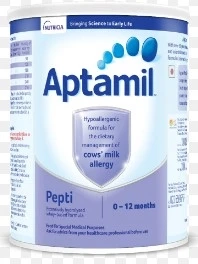
Aptamil Pepti Infant Formula 0 to 12 Months Tin 400gm
Brand: Nutricia International Private Limited
₹2000.00₹1960.00
View Details


Neocate LCP Infant Formula Powder 400GM
Brand: Nutricia International Private Limited
₹3300.00₹3234.00
View Details
Web Stories


Popular Lab Test






Live Doctor consultation
Live Doctor Chat

Fees ₹99
General Physician
Fees ₹99
General Physician
Fees ₹99
General Physician

Dr. Syed Mukhtar Mohiuddin
MBBS, MD , Fellowship in Diabetes Mellitus (UK)
- 7 Years
- English
Available at 00:00 to 07:00
Fees ₹99
General Physician
Fees ₹99
General Physician
Download Our App & Get Consultation from anywhere.