- Published on: Oct 04, 2024
- 4 minute read
- By: SecondMedic Expert
Cucumber And Spinach: Refreshing And Nutritious Foods For Your Navratri Diet




Navratri is a time for fasting, spirituality, and mindful eating. During this sacred nine-day period, many people observe a vrat (fast), abstaining from certain foods to purify their bodies and minds. However, fasting doesn't mean you need to compromise on nutrition or energy. Two fantastic options to include in your Navratri diet for energy are cucumber and spinach. Both are not only nutritious but also versatile, helping you stay hydrated and energized.
In this blog, we'll explore the health benefits of cucumber during fasting and how to incorporate spinach recipes for fasting into your meals. These foods are light, refreshing, and perfect for maintaining your stamina and wellness throughout the fasting period.
Why Cucumber and Spinach Are Perfect for Navratri Fasting
Cucumbers and spinach are superfoods that bring immense value to your fasting diet. Both are rich in essential vitamins and minerals, low in calories and provide hydration, which is crucial when you're limiting your intake of other food groups.
Cucumber Benefits During Fasting
Cucumbers are a fasting favorite because they’re packed with water and are incredibly hydrating, which is essential when your regular intake of water and electrolytes might be lower during a fast. Here are the top health benefits of cucumber during fasting:
-
Hydration Powerhouse: Cucumbers are composed of about 95% water, making them one of the best foods to stay hydrated during Navratri. Fasting can often make you feel thirsty and fatigued, and cucumbers help combat this by keeping you hydrated.
-
Low in Calories, High in Nutrients: Though cucumbers are low in calories, they are rich in vitamins and minerals such as Vitamin K, Vitamin C, and potassium. These nutrients support your immune system and help you maintain healthy skin and bones during fasting.
-
Supports Digestion: Cucumbers contain a good amount of fiber, which helps regulate digestion—a crucial factor when your eating schedule is altered. They also promote healthy gut bacteria and prevent constipation during fasting.
How to Include Cucumber in Your Navratri Diet
Here are a couple of simple and refreshing cucumber spinach salad recipes for fasting:
-
Cucumber and Peanut Salad: Combine fresh cucumber slices with roasted peanuts, rock salt, lemon juice, and a pinch of cumin powder. This crunchy, tangy salad is easy to make and provides you with a burst of hydration and energy.
-
Cucumber Raita: Grate cucumbers into yogurt, add rock salt, and a dash of black pepper. This cooling raita is a perfect accompaniment to your fasting meals, aiding digestion while keeping you refreshed.
Spinach: A Powerhouse of Nutrients for Navratri Fasting
Spinach is another excellent addition to your fasting menu. Rich in iron, calcium, and vitamins, spinach is one of the best energy-boosting Navratri recipes to help keep your energy levels steady throughout the day. Let’s look at the health benefits of spinach during fasting:
-
Iron-rich superfood: Spinach is packed with iron, a mineral that helps in the formation of hemoglobin, ensuring that your body gets enough oxygen. This is particularly important during fasting when you might feel more fatigued than usual.
-
High in Fiber and Low in Calories: Spinach is low in calories but high in fiber, keeping you full for longer without compromising on nutrition. This makes it ideal for people who want to stay active during fasting.
-
Rich in Antioxidants: Spinach contains antioxidants like lutein and zeaxanthin, which help protect your cells from damage. This is especially beneficial during fasting, as your body may experience oxidative stress from changes in diet and routine.
How to Use Spinach in Navratri Fasting Recipes
Here are some easy ways to incorporate spinach recipes for fasting into your meals:
-
Spinach and Paneer Salad: Blanch some spinach and toss it with cubes of fresh paneer (Indian cottage cheese), rock salt, and lemon juice. This light and nutritious salad provides a healthy balance of protein and vitamins, perfect for a Navratri diet for energy.
-
Spinach Soup: Make a simple spinach soup by blending boiled spinach with a pinch of rock salt and cumin powder. This warm, comforting soup is not only easy to digest but also provides a good dose of vitamins and minerals.
Cucumber and Spinach: Perfect Duo for a Navratri Salad
Combining cucumber and spinach in a salad can be the ultimate energy-boosting dish for your Navratri vrat. Here’s a cucumber spinach salad recipe for fasting that’s simple yet packed with nutrients:
Cucumber and Spinach Vrat Salad
Ingredients:
-
1 cucumber, sliced
-
1 cup of fresh spinach leaves
-
1 tablespoon roasted peanuts
-
1 tablespoon lemon juice
-
Rock salt to taste
-
A pinch of cumin powder
Instructions:
-
Wash the cucumber and spinach thoroughly.
-
Slice the cucumber and chop the spinach leaves into bite-sized pieces.
-
In a bowl, mix cucumber, spinach, and roasted peanuts.
-
Drizzle lemon juice over the salad and sprinkle rock salt and cumin powder.
-
Toss everything together and enjoy a refreshing and nutritious salad that keeps you energized throughout your fast.
This salad combines the cucumber benefits during fasting—hydration and low calories—with the nutritional value of spinach—iron and vitamins—to give you a meal that’s light yet fulfilling.
A Sample Navratri Diet Plan for Energy
Here’s a simple Navratri diet for energy using cucumber and spinach that will help you maintain your energy levels throughout the day:
-
Morning: Start your day with a refreshing cucumber and spinach smoothie. Blend cucumber, spinach, yogurt, and a pinch of rock salt for a hydrating and energizing breakfast.
-
Mid-Morning Snack: Munch on a cucumber and peanut salad to keep your hunger at bay.
-
Lunch: Enjoy a bowl of spinach soup with a side of cucumber raita.
-
Evening Snack: Have a light spinach and paneer salad to fuel your body in the evening.
-
Dinner: Conclude your day with a filling cucumber and spinach vrat salad, ensuring you stay hydrated and nourished.
Conclusion
During Navratri, maintaining energy and hydration is key to fulfilling your fasting goals while staying healthy. Both cucumber and spinach are not only nutritious but also versatile, making them ideal choices for your healthy Navratri foods. From salads to smoothies and soups, these superfoods will ensure you remain hydrated, energized, and satiated throughout the day.
Embrace your Fitness and Diet with Secondmedic Consultants—we’re here to guide you through your fasting journey with expert advice on nutrition and fitness tailored to your specific needs
Read FAQs
A. Cucumber benefits during fasting include excellent hydration, as cucumbers are 95% water, helping to keep you refreshed. They're also low in calories but high in vitamins and minerals like potassium, which helps maintain electrolyte balance. The fiber content in cucumbers promotes healthy digestion, making them an ideal food for fasting.
A. Spinach recipes for fasting are versatile and packed with nutrients. You can blanch the spinach and use it in salads, mix it with paneer for a healthy meal, or blend it into soups. Spinach is rich in iron and fiber, making it a key ingredient for maintaining energy during your Navratri fast.
A. During Navratri, hydration is essential. Cucumber is one of the best foods to stay hydrated during Navratri, as it’s mostly water and provides crucial electrolytes. Adding cucumber to your salads or raita can help you stay hydrated while fasting. Spinach also contains a high water content, making it another great choice for hydration.
A. For a refreshing cucumber spinach salad recipe for fasting, mix sliced cucumber, blanched spinach, roasted peanuts, rock salt, and lemon juice. This simple salad not only hydrates but also provides fiber, vitamins, and minerals, making it a light yet nutritious meal perfect for Navratri fasting.
A. To boost energy during Navratri, opt for energy-boosting Navratri recipes with cucumber and spinach. Cucumber keeps you hydrated, while spinach, rich in iron and fiber, supports sustained energy levels. Combining these in salads, soups, or smoothies ensures you stay energized without feeling heavy.


Why Preventive Healthcare Is More Important Than Treatment: A Smarter Approach to Health
Healthcare systems worldwide are shifting focus from reactive treatment to proactive prevention. While medical treatments have advanced significantly, preventing disease before it develops remains the most effective strategy for long-term health.
Understanding why preventive healthcare is more important than treatment empowers individuals to take control of their wellbeing and reduce future health risks.
What Is Preventive Healthcare?
Preventive healthcare involves measures taken to avoid disease rather than treating it after symptoms appear.
It includes:
-
Routine health checkups
-
Vaccinations
-
Blood pressure monitoring
-
Diabetes screening
-
Cancer screening
-
Healthy lifestyle habits
The goal is early detection and risk reduction.
1. Early Detection Saves Lives
Many serious conditions develop silently, including:
-
Diabetes
-
Hypertension
-
Heart disease
-
Cancer
Regular screening identifies these conditions at an early stage when treatment is more effective and less invasive.
2. Reduces Healthcare Costs
Treating advanced diseases often involves:
-
Hospitalization
-
Surgery
-
Long-term medication
-
Intensive care
Preventive care reduces these costs by identifying risks early and managing them promptly.
3. Improves Quality of Life
Prevention focuses on maintaining optimal health.
Healthy individuals experience:
-
Higher energy levels
-
Better productivity
-
Improved mental wellbeing
-
Reduced stress
Staying healthy enhances overall life satisfaction.
4. Prevents Chronic Diseases
Lifestyle diseases such as obesity, diabetes and cardiovascular disorders are largely preventable.
Preventive measures include:
-
Balanced nutrition
-
Regular exercise
-
Smoking cessation
-
Stress management
These habits significantly lower disease risk.
5. Reduces Complications
Early management prevents complications such as:
-
Kidney damage from diabetes
-
Stroke from uncontrolled hypertension
-
Heart attacks due to high cholesterol
Preventive healthcare minimizes disease progression.
6. Encourages Health Awareness
Routine checkups increase awareness about:
-
Body weight
-
Blood sugar levels
-
Cholesterol
-
Nutritional deficiencies
Awareness motivates positive lifestyle changes.
Preventive Healthcare in the Indian Context
India faces rising rates of lifestyle diseases.
Urbanization, sedentary jobs and dietary changes have increased non-communicable diseases.
Preventive healthcare initiatives such as annual health screenings and awareness programs are critical to reducing the national disease burden.
Key Components of Preventive Care
Regular Health Screenings
-
Blood pressure checks
-
Blood sugar tests
-
Lipid profile
-
Thyroid tests
Vaccinations
-
Influenza
-
Hepatitis
-
COVID-19
-
Tetanus
Vaccines prevent infectious diseases.
Lifestyle Modification
-
Healthy diet
-
Daily exercise
-
Adequate sleep
-
Stress reduction
These form the foundation of prevention.
Treatment vs Prevention: A Comparison
Prevention |
Treatment |
Focuses on avoiding disease |
Focuses on managing disease |
Lower cost |
Higher cost |
Less invasive |
Often invasive |
Long-term benefits |
May involve side effects |
Prevention reduces risk before complications arise.
When Should Preventive Care Begin?
Preventive healthcare is important at every stage of life.
Adults above 30 years should undergo annual health checkups, especially if they have:
-
Family history of chronic disease
-
Sedentary lifestyle
-
Obesity
-
Smoking habits
Early intervention makes a measurable difference.
Overcoming Barriers to Prevention
Common challenges include:
-
Lack of time
-
Fear of diagnosis
-
Financial concerns
Solutions involve:
-
Corporate health programs
-
Insurance coverage for screenings
-
Digital health platforms
Encouraging routine checkups improves participation.
The Long-Term Impact of Prevention
Consistent preventive care leads to:
-
Increased life expectancy
-
Reduced healthcare burden
-
Improved economic productivity
-
Healthier communities
Healthy populations contribute to national growth.
Conclusion
Preventive healthcare is more important than treatment because it addresses health risks before they escalate into serious conditions. Early detection, regular screenings and healthy lifestyle habits reduce disease burden, save costs and improve quality of life.
While treatment remains essential when illness occurs, prevention offers a smarter and more sustainable approach to long-term wellbeing.
Taking proactive steps today can protect your health for years to come. Prevention is not just a medical strategy — it is a commitment to a healthier future.
References
-
Indian Council of Medical Research – Preventive Health Reports
-
World Health Organization – Preventive Healthcare Guidelines
-
National Family Health Survey – Lifestyle Disease Data
-
NITI Aayog – Health Strategy Reports
-
Lancet Global Health – Preventive Medicine Research



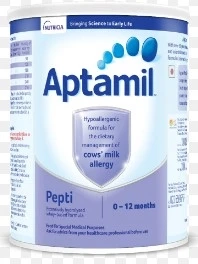
Aptamil Pepti Infant Formula 0 to 12 Months Tin 400gm
Brand: Nutricia International Private Limited
₹2000.00₹1960.00
View Details

Neocate LCP Infant Formula Powder 400GM
Brand: Nutricia International Private Limited
₹3300.00₹3234.00
View Details
Web Stories


Popular Lab Test






Live Doctor consultation
Live Doctor Chat

Fees ₹99
General Physician
Fees ₹99
General Physician
Fees ₹99
General Physician

Dr. Syed Mukhtar Mohiuddin
MBBS, MD , Fellowship in Diabetes Mellitus (UK)
- 7 Years
- English
Available at 00:00 to 07:00
Fees ₹99
General Physician
Fees ₹99
General Physician
Download Our App & Get Consultation from anywhere.