- Published on: Dec 07, 2023
- 5 minute read
- By: Secondmedic Expert
Drinking Too Much Diet Soda Might Make Your Liver Sick




Are you an avid fan of diet soda, believing that you've made the healthier choice by opting for a sugar-free beverage? Think again. In the pursuit of a guilt-free sip, have you considered the potential impact of excessive diet soda consumption on your liver health? Join us on a journey through the metabolic maze as we explore the intricate relationship between diet soda and liver function. Could your favorite zero-calorie drink be a silent saboteur for your liver? Let's delve into the science and discover the hidden risks.
The Diet Soda Dilemma: Understanding the Link with Liver Health
In our quest for a healthier lifestyle, diet soda often emerges as a seemingly harmless alternative to its sugary counterpart. However, the question that looms large is: does this seemingly innocuous choice come with a hidden cost to our liver health?
As we scrutinize the diet soda dilemma, we must acknowledge the prevalence of this beverage in our daily lives. From office desks to restaurant menus, diet sodas have become ubiquitous, promising a refreshing experience without the caloric guilt. Yet, the journey from a seemingly guilt-free refreshment to potential liver harm is paved with metabolic complexities that demand our attention.
The liver, a resilient organ tasked with myriad functions, stands as the sentinel guarding our internal equilibrium. Its role in metabolism, detoxification, and nutrient storage is indispensable to our well-being. However, the rise of diet sodas introduces a unique challenge to this intricate balance.
Unraveling the Metabolic Effects: Diet Soda's Impact on Liver Function
To comprehend the intricate dance between diet soda and liver function, it's crucial to explore the metabolic effects of excessive consumption. The liver, a powerhouse organ responsible for numerous vital functions, may face challenges when bombarded with the artificial sweeteners present in diet sodas. Let's delve into the metabolic intricacies and decipher the potential risks.
When you take that refreshing sip of diet soda, you might assume that your liver remains untouched by the absence of traditional sugars. However, the artificial sweeteners used in these beverages, such as aspartame, saccharin, and sucralose, trigger a complex cascade of metabolic events within the liver.
Studies have suggested that artificial sweeteners can induce glucose intolerance, disrupting the body's ability to regulate blood sugar levels effectively. This metabolic disturbance may be a precursor to more severe conditions, including non-alcoholic fatty liver disease (NAFLD). As we navigate through the labyrinth of diet soda's impact on liver function, the question arises: are we unwittingly compromising our liver's metabolic harmony in the quest for a sugar-free indulgence?
Non-Alcoholic Fatty Liver Disease (NAFLD): A Silent Consequence of Sweet Substitutes
One of the major concerns arising from immoderate diet soda consumption is its association with Non-Alcoholic Fatty Liver Disease (NAFLD). As we navigate through the sweet terrain of sugar substitutes, the correlation between NAFLD and diet soda becomes evident. Could your favorite fizzy drink be contributing to the silent epidemic of hepatic steatosis?
NAFLD, characterized by the accumulation of fat in liver cells, is a condition that often goes unnoticed until it reaches advanced stages. The link between NAFLD and excessive diet soda consumption is a topic of growing concern among researchers and healthcare professionals alike.
Several studies have explored the potential connection between artificial sweeteners and the development of NAFLD. The mechanisms at play involve not only disruptions in glucose metabolism but also alterations in the gut microbiota. The delicate balance of the microbiome, intricately linked to liver health, may be influenced by the artificial components present in diet sodas.
As we confront the possibility that our preferred diet soda might be a silent contributor to the rising cases of NAFLD, it's essential to consider the broader implications for public health. Could a shift in beverage choices be a crucial step in mitigating the prevalence of this stealthy liver condition?
Sweet Temptations: The Role of Artificial Sweeteners in Liver Health
Artificial sweeteners, the darlings of the diet industry, play a pivotal role in shaping the taste profile of diet sodas. However, their impact on liver health remains a subject of concern. How do these synthetic substitutes influence the delicate balance within the liver, and what health risks might they pose?
The allure of artificial sweeteners lies in their ability to provide a sweet taste without the caloric load of traditional sugars. This appeal has led to their widespread use in a variety of products, including diet sodas, sugar-free snacks, and low-calorie desserts. While these substitutes may seem like a boon for those watching their waistlines, the question of their impact on liver health demands closer scrutiny.
Emerging research suggests that artificial sweeteners can influence liver enzymes and pathways associated with glucose metabolism. These changes, occurring at the molecular level, may set the stage for metabolic dysfunction and, ultimately, liver-related complications. As we succumb to the sweet temptations of diet sodas, are we inadvertently subjecting our livers to a biochemical experiment with uncertain outcomes?
Sip with Caution: Exploring the Delicate Balance of Liver Function
Our liver orchestrates a symphony of metabolic processes, and any disruption to this delicate balance can have cascading effects on our overall health. Could excessive diet soda consumption be disrupting this intricate equilibrium, potentially compromising liver function? Let's decipher the clues within the metabolic labyrinth.
The liver's multifaceted role in maintaining metabolic homeostasis is a testament to its resilience. However, this resilience is not without limits, and our lifestyle choices play a pivotal role in determining the health of this vital organ. Excessive consumption of diet sodas, laden with artificial sweeteners, may be a disruptive force challenging the liver's ability to maintain equilibrium.
One of the key aspects to consider is the impact of diet soda on insulin sensitivity. Insulin, a hormone crucial for regulating blood sugar levels, may be influenced by the consumption of artificial sweeteners. Studies have indicated that alterations in insulin sensitivity could contribute to metabolic disturbances, potentially affecting liver function over time.
As we sip our favorite diet soda, it's essential to acknowledge the interconnectedness of our dietary choices and their repercussions on the liver. The delicate balance of liver function is a harmonious interplay of various factors, and disrupting this balance with excessive consumption of artificial sweeteners raises concerns about the long-term consequences for our metabolic health.
Health Risks Unveiled: The Consequences of Overindulging in Diet Soda
As we peel back the layers of diet soda consumption, it becomes imperative to examine the broader health risks associated with this seemingly innocent habit. From metabolic imbalances to potential liver harm, the risks might extend beyond what meets the eye.
While the immediate satisfaction of a calorie-free, sugar-free beverage might seem like a win for those conscious of their weight, the health risks associated with overindulgence in diet soda cannot be overlooked. Beyond the potential impact on liver health, there are broader implications for cardiovascular health, metabolic syndrome, and even mental well-being.
Studies have suggested a potential link between frequent diet soda consumption and an increased risk of cardiovascular events. The intricate dance of metabolic factors influenced by artificial sweeteners may contribute to a pro-inflammatory environment, paving the way for cardiovascular complications. As we unveil the health risks associated with overindulging in
diet soda, it becomes clear that our beverage choices extend far beyond mere caloric considerations.
Moreover, the connection between diet soda and metabolic syndrome raises red flags for those hoping to maintain a healthy weight and overall well-being. Metabolic syndrome, characterized by a cluster of conditions including abdominal obesity, elevated blood pressure, and abnormal lipid levels, has been associated with the habitual consumption of diet sodas.
The consequences of overindulging in diet soda may also extend to mental health. Some studies have suggested a potential link between artificial sweeteners and an increased risk of depression. While the mechanisms behind this association are not fully understood, the intricate interplay between our dietary choices and mental well-being underscores the importance of a holistic approach to health.
Seeking Guidance: The Role of Online Doctor Consultation in Liver Health
In this era of digital connectivity, seeking guidance from healthcare professionals has never been easier. If you find yourself concerned about your diet soda consumption and its potential impact on your liver, consider the convenience of online doctor consultation. Expert advice can be a valuable resource in navigating the intricacies of your health journey.
As we navigate the complex landscape of diet soda's impact on liver health, seeking guidance from healthcare professionals becomes crucial. Online doctor consultation platforms offer a convenient and accessible way to connect with medical experts, allowing individuals to address their concerns and receive personalized advice.
Discussing your diet, lifestyle choices, and any potential symptoms with a healthcare professional can provide insights into the specific risks you may face. Liver health is a multifaceted aspect of overall well-being, and online doctor consultation platforms empower individuals to take a proactive approach to their health.
Conclusion
As we conclude our exploration into the potential hazards of excessive diet soda consumption on liver health, it's crucial to approach our dietary choices with mindfulness. The seemingly innocent pleasure of sipping a calorie-free beverage may carry unforeseen consequences for our liver. By understanding the metabolic nuances, acknowledging the risks, and embracing informed choices, we can strive for a balanced and liver-friendly lifestyle. Remember, your liver deserves as much care as any other organ in your body. As you ponder your next sip, consider the intricate dance within your body and the impact it may have on your liver's well-being. Cheers to health, balance, and informed choices.
Read FAQs
A. If you consume excessive amounts of diet soda, you may expose yourself to various health risks. The artificial sweeteners in diet sodas could impact metabolism, leading to potential issues such as disrupted glucose regulation, increased insulin resistance, and a higher risk of conditions like Non-Alcoholic Fatty Liver Disease (NAFLD).
A. Yes, there is evidence to suggest that frequent and excessive consumption of diet soda may have negative effects on liver health. The artificial sweeteners present in these beverages could contribute to metabolic disturbances, potentially leading to conditions like NAFLD and compromising overall liver function.
A. Drinking too much soda, especially those containing artificial sweeteners, may contribute to liver issues that could result in discomfort or pain. The accumulation of fat in the liver cells, as seen in conditions like NAFLD, can lead to inflammation and, in some cases, cause discomfort or pain in the liver area. It's crucial to be mindful of your soda consumption to support liver health.


Vitamin D Deficiency Symptoms: Signs Your Body May Be Lacking Vitamin D
Vitamin D is an essential nutrient that plays a vital role in maintaining strong bones, supporting the immune system and regulating several important functions in the body. Despite its importance, vitamin D deficiency is one of the most common nutritional deficiencies worldwide.
In India, vitamin D deficiency has become increasingly prevalent due to lifestyle factors such as limited sunlight exposure, indoor working environments and dietary habits. According to the Indian Council of Medical Research (ICMR), a significant percentage of the population may have insufficient vitamin D levels.
Recognizing the symptoms of vitamin D deficiency early is important because prolonged deficiency can lead to serious health complications affecting bones, muscles and overall wellbeing.
What Is Vitamin D and Why Is It Important?
Vitamin D is often called the “sunshine vitamin” because the body produces it when the skin is exposed to sunlight. It plays a key role in calcium absorption, which is essential for maintaining healthy bones and teeth.
In addition to bone health, vitamin D supports several important functions including:
immune system regulation
muscle function
inflammation control
hormonal balance
Low levels of vitamin D can disrupt these functions and contribute to various health problems.
Common Symptoms of Vitamin D Deficiency
Vitamin D deficiency can manifest through several symptoms, many of which are often overlooked or mistaken for other health issues.
Persistent Fatigue
Constant tiredness or low energy levels may be one of the earliest signs of vitamin D deficiency. Even after adequate rest, individuals with low vitamin D levels may continue to feel exhausted.
Vitamin D plays a role in cellular energy production, and insufficient levels may contribute to chronic fatigue.
Bone and Back Pain
One of the most well-known effects of vitamin D deficiency is bone discomfort. Vitamin D helps the body absorb calcium, which is essential for maintaining bone strength.
Low vitamin D levels may cause:
bone pain
lower back pain
increased risk of fractures
Persistent bone discomfort should be evaluated by a healthcare professional.
Muscle Weakness
Vitamin D is important for muscle health and function. Deficiency can lead to muscle weakness, cramps or general muscle fatigue.
Older adults with vitamin D deficiency may also experience reduced mobility and increased risk of falls.
Frequent Illness or Infections
Vitamin D plays a key role in supporting the immune system. Individuals with low vitamin D levels may experience frequent colds, infections or slower recovery from illness.
Research suggests that adequate vitamin D levels help strengthen immune defenses against respiratory infections.
Mood Changes and Depression
Vitamin D may influence brain function and mood regulation. Some studies have found a connection between low vitamin D levels and mood disorders such as depression or anxiety.
People experiencing persistent mood changes should consider evaluating vitamin levels as part of a broader health assessment.
Hair Loss
Severe vitamin D deficiency may contribute to hair thinning or hair loss. While hair loss can have multiple causes, nutritional deficiencies including vitamin D deficiency may play a role.
Slow Wound Healing
Vitamin D contributes to the body’s inflammatory response and tissue repair processes. Individuals with deficiency may notice slower wound healing or delayed recovery from injuries.
Who Is at Risk of Vitamin D Deficiency?
Several factors can increase the risk of vitamin D deficiency.
Limited Sun Exposure
People who spend most of their time indoors or use strong sun protection regularly may not receive enough sunlight to produce sufficient vitamin D.
Urban lifestyles and indoor work environments contribute to this problem.
Older Adults
As people age, the skin becomes less efficient at producing vitamin D from sunlight. Older adults may therefore require additional dietary intake or supplements.
Individuals with Darker Skin
Melanin reduces the skin’s ability to produce vitamin D from sunlight. Individuals with darker skin tones may require longer sun exposure to produce adequate levels.
Poor Dietary Intake
Few foods naturally contain vitamin D. Diets lacking fortified foods, dairy products or fatty fish may contribute to deficiency.
Medical Conditions
Certain medical conditions such as kidney disease, liver disease or digestive disorders can affect vitamin D absorption and metabolism.
How Is Vitamin D Deficiency Diagnosed?
Vitamin D deficiency is diagnosed through a simple blood test that measures the level of 25-hydroxyvitamin D in the bloodstream.
Doctors may recommend testing for individuals who experience symptoms of deficiency or belong to high-risk groups.
Early diagnosis allows healthcare providers to recommend appropriate treatment and lifestyle adjustments.
How to Improve Vitamin D Levels
Sunlight Exposure
Regular sunlight exposure is one of the most effective ways to increase vitamin D levels. Experts generally recommend 10 to 30 minutes of sunlight exposure several times per week, depending on skin type and location.
Dietary Sources of Vitamin D
Although limited, certain foods contain vitamin D, including:
fatty fish such as salmon and mackerel
egg yolks
fortified milk and cereals
mushrooms
Including these foods in the diet can help maintain healthy vitamin D levels.
Vitamin D Supplements
In cases of significant deficiency, doctors may recommend vitamin D supplements. The dosage depends on the individual’s vitamin levels, age and health status.
It is important to take supplements under medical supervision to avoid excessive intake.
Preventing Vitamin D Deficiency
Maintaining adequate vitamin D levels requires a balanced combination of sunlight exposure, proper nutrition and regular health monitoring.
Routine health checkups and vitamin testing can help identify deficiencies early and prevent complications.
Adopting a healthy lifestyle with balanced nutrition and outdoor activity can significantly improve vitamin D status and overall health.
Conclusion
Vitamin D deficiency is a common but often overlooked health concern. Symptoms such as fatigue, bone pain, muscle weakness and frequent infections may indicate low vitamin D levels.
Early detection and proper management are essential to prevent long-term health complications. By ensuring adequate sunlight exposure, maintaining a balanced diet and undergoing regular health checkups, individuals can support healthy vitamin D levels and improve overall wellbeing.
Recognizing the warning signs of vitamin D deficiency and seeking timely medical advice can help protect long-term health and maintain optimal body function.
References
-
Indian Council of Medical Research (ICMR) – Nutritional Deficiency Reports
-
World Health Organization (WHO) – Micronutrient Deficiency Guidelines
-
National Institute of Nutrition (NIN) India – Vitamin D Research Reports
-
Lancet Public Health – Nutritional Health Studies
-
National Institutes of Health (NIH) – Vitamin D Fact Sheets for Health Professionals


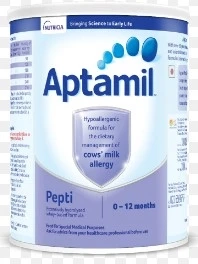
Aptamil Pepti Infant Formula 0 to 12 Months Tin 400gm
Brand: Nutricia International Private Limited
₹2000.00₹1960.00
View Details
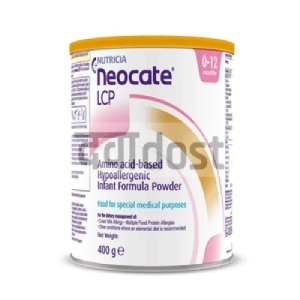
Neocate LCP Infant Formula Powder 400GM
Brand: Nutricia International Private Limited
₹3300.00₹3234.00
View Details
Web Stories


Popular Lab Test






Live Doctor consultation
Live Doctor Chat

Fees ₹99
General Physician
Fees ₹99
General Physician

Dr. Syed Mukhtar Mohiuddin
MBBS, MD , Fellowship in Diabetes Mellitus (UK)
- 7 Years
- English
Available at 00:00 to 07:00
Fees ₹99
General Physician
Fees ₹99
General Physician
Fees ₹99
General Physician
Download Our App & Get Consultation from anywhere.