- Published on: Oct 07, 2023
- 3 minute read
- By: Secondmedic Expert
Elevate Your Heart Health: The Ultimate Guide To The Benefits Of Stair Climbing




Hey there, health enthusiasts! If you're looking for a fun and effective way to boost your heart health, you've landed in the right place. Today, we're delving deep into the world of stair climbing and exploring the myriad benefits it offers for your heart. Buckle up as we uncover the secrets to a healthier heart through the power of stair climbing!
The Fundamentals of Stair Climbing
Let's begin with the basics of stair climbing. While it might seem self-explanatory, there's more to it than meets the eye. Stair climbing involves, well, climbing stairs. This can be done anywhere—whether at home, work, or a gym equipped with a stair-climbing machine. It's a full-body workout that engages your lower body and cardiovascular system, making it an exceptional exercise for your heart.
The Cardiovascular Connection
Stair climbing is, at its core, a cardiovascular exercise. It gets your heart rate up and sustains it, thereby strengthening your cardiovascular system. This workout plays a pivotal role in maintaining a robust and healthy heart.
The Heart-Healthy Benefits
Now, let's delve into the heart-healthy benefits that stair climbing brings to the table.
Enhanced Cardiovascular Fitness
Think of stair climbing as a boot camp for your heart. It fortifies your heart muscles, enhancing their efficiency in pumping blood throughout your body. Over time, this leads to improved cardiovascular fitness, reflected in lower resting heart rates and increased endurance.
Weight Management
Maintaining an optimal weight is paramount for heart health. Stair climbing is a calorie-burning powerhouse. In fact, it ranks among the most efficient calorie-burning exercises available. So, if you're on a quest to shed those extra pounds, stair climbing is your trusty ally.
Blood Pressure Control
High blood pressure is a silent but menacing threat to your heart. Consistent stair climbing can help control and reduce your blood pressure, alleviating the strain on your heart and blood vessels.
Favorable Cholesterol Levels
Stair climbing isn't solely beneficial for your heart—it also works wonders for your cholesterol levels. It has the remarkable ability to boost the "good" HDL cholesterol while lowering the "bad" LDL cholesterol, a win-win for your cardiovascular health.
Reduced Risk of Heart Disease
Collectively, these heart-healthy advantages translate into a reduced risk of heart disease. Stair climbing emerges as a pivotal player in your comprehensive strategy for heart disease prevention.
Integrating Stair Climbing into Your Lifestyle
Now that you understand the heart-healthy perks of stair climbing, the next step is to make it a part of your daily routine. Here are some practical tips for doing just that:
Start Small and Progress Gradually
If you're new to stair climbing, it's vital to begin at a manageable pace. Start with a few flights of stairs and progressively increase your intensity as your fitness level improves.
Utilize Available Resources
You don't need fancy equipment to embark on your stair-climbing journey. Stairs are ubiquitous! You can use the stairs in your home, workplace, or local park. If you prefer the gym, explore stair climber machines, which offer a controlled environment for your workouts.
Infuse Fun into Your Routine
Stair climbing doesn't have to feel like a chore. Elevate your enjoyment by creating a playlist of your favorite tunes, inviting a friend to join you, or setting personal challenges like reaching a specific number of floors. Fun and enjoyment are key to long-term adherence.
Diversify Your Workout Regimen
Variety is the spice of life, even in your fitness routine. Blend stair climbing with other forms of exercise, such as walking, jogging, or cycling, to keep things fresh and exciting.
Set Tangible Goals
Establishing clear and attainable goals can be a powerful motivator. Whether it's conquering a specific number of steps or achieving a certain time target, having objectives in sight enhances your commitment and progress.
Safety First: Staying Injury-Free
Before you embark on your stair-climbing adventure, it's crucial to keep safety in mind. Here are some essential safety tips:
Warm Up Adequately
Begin every stair-climbing session with a proper warm-up to prevent injuries. Spend a few minutes stretching and engaging in light movements to prepare your body for the exertion ahead.
Stay Hydrated
Hydration is key to a successful workout. Ensure you are adequately hydrated before, during, and after your stair-climbing sessions. Water is your trusty workout companion.
Listen to Your Body
Pay close attention to your body's signals during your stair climbing. If you experience dizziness, lightheadedness, or any discomfort or pain, cease your activity immediately and consult a healthcare professional.
Opt for Supportive Footwear
Select comfortable and supportive shoes that provide stability and cushioning for your feet and ankles, safeguarding them from strain and injuries.
Conclusion: Elevate Your Heart Health, One Step at a Time
There you have it, the comprehensive guide to the heart-boosting benefits of stair climbing! This simple yet incredibly effective exercise can transform your heart health and overall fitness. Moreover, it's accessible to almost everyone, regardless of their fitness level.
Read FAQs
A. Yes, stair climbing is versatile and can be adapted to different fitness levels. Beginners can start with a few flights of stairs and gradually increase intensity as they progress.
A. To reap heart health benefits, aim for at least 30 minutes of stair climbing on most days of the week. You can break it into shorter sessions if needed.
A. Absolutely! Stair climber machines provide a controlled environment for stair climbing workouts and offer the same cardiovascular benefits.
A. Ensure you warm up before each session, stay hydrated, listen to your body, and wear supportive footwear to prevent injuries. Always prioritize safety.
A. Yes, stair climbing is an efficient calorie-burning exercise, making it a valuable tool for weight management. When combined with a balanced diet, it can support your weight goals.


Vitamin D Deficiency Symptoms: Signs Your Body May Be Lacking Vitamin D
Vitamin D is an essential nutrient that plays a vital role in maintaining strong bones, supporting the immune system and regulating several important functions in the body. Despite its importance, vitamin D deficiency is one of the most common nutritional deficiencies worldwide.
In India, vitamin D deficiency has become increasingly prevalent due to lifestyle factors such as limited sunlight exposure, indoor working environments and dietary habits. According to the Indian Council of Medical Research (ICMR), a significant percentage of the population may have insufficient vitamin D levels.
Recognizing the symptoms of vitamin D deficiency early is important because prolonged deficiency can lead to serious health complications affecting bones, muscles and overall wellbeing.
What Is Vitamin D and Why Is It Important?
Vitamin D is often called the “sunshine vitamin” because the body produces it when the skin is exposed to sunlight. It plays a key role in calcium absorption, which is essential for maintaining healthy bones and teeth.
In addition to bone health, vitamin D supports several important functions including:
immune system regulation
muscle function
inflammation control
hormonal balance
Low levels of vitamin D can disrupt these functions and contribute to various health problems.
Common Symptoms of Vitamin D Deficiency
Vitamin D deficiency can manifest through several symptoms, many of which are often overlooked or mistaken for other health issues.
Persistent Fatigue
Constant tiredness or low energy levels may be one of the earliest signs of vitamin D deficiency. Even after adequate rest, individuals with low vitamin D levels may continue to feel exhausted.
Vitamin D plays a role in cellular energy production, and insufficient levels may contribute to chronic fatigue.
Bone and Back Pain
One of the most well-known effects of vitamin D deficiency is bone discomfort. Vitamin D helps the body absorb calcium, which is essential for maintaining bone strength.
Low vitamin D levels may cause:
bone pain
lower back pain
increased risk of fractures
Persistent bone discomfort should be evaluated by a healthcare professional.
Muscle Weakness
Vitamin D is important for muscle health and function. Deficiency can lead to muscle weakness, cramps or general muscle fatigue.
Older adults with vitamin D deficiency may also experience reduced mobility and increased risk of falls.
Frequent Illness or Infections
Vitamin D plays a key role in supporting the immune system. Individuals with low vitamin D levels may experience frequent colds, infections or slower recovery from illness.
Research suggests that adequate vitamin D levels help strengthen immune defenses against respiratory infections.
Mood Changes and Depression
Vitamin D may influence brain function and mood regulation. Some studies have found a connection between low vitamin D levels and mood disorders such as depression or anxiety.
People experiencing persistent mood changes should consider evaluating vitamin levels as part of a broader health assessment.
Hair Loss
Severe vitamin D deficiency may contribute to hair thinning or hair loss. While hair loss can have multiple causes, nutritional deficiencies including vitamin D deficiency may play a role.
Slow Wound Healing
Vitamin D contributes to the body’s inflammatory response and tissue repair processes. Individuals with deficiency may notice slower wound healing or delayed recovery from injuries.
Who Is at Risk of Vitamin D Deficiency?
Several factors can increase the risk of vitamin D deficiency.
Limited Sun Exposure
People who spend most of their time indoors or use strong sun protection regularly may not receive enough sunlight to produce sufficient vitamin D.
Urban lifestyles and indoor work environments contribute to this problem.
Older Adults
As people age, the skin becomes less efficient at producing vitamin D from sunlight. Older adults may therefore require additional dietary intake or supplements.
Individuals with Darker Skin
Melanin reduces the skin’s ability to produce vitamin D from sunlight. Individuals with darker skin tones may require longer sun exposure to produce adequate levels.
Poor Dietary Intake
Few foods naturally contain vitamin D. Diets lacking fortified foods, dairy products or fatty fish may contribute to deficiency.
Medical Conditions
Certain medical conditions such as kidney disease, liver disease or digestive disorders can affect vitamin D absorption and metabolism.
How Is Vitamin D Deficiency Diagnosed?
Vitamin D deficiency is diagnosed through a simple blood test that measures the level of 25-hydroxyvitamin D in the bloodstream.
Doctors may recommend testing for individuals who experience symptoms of deficiency or belong to high-risk groups.
Early diagnosis allows healthcare providers to recommend appropriate treatment and lifestyle adjustments.
How to Improve Vitamin D Levels
Sunlight Exposure
Regular sunlight exposure is one of the most effective ways to increase vitamin D levels. Experts generally recommend 10 to 30 minutes of sunlight exposure several times per week, depending on skin type and location.
Dietary Sources of Vitamin D
Although limited, certain foods contain vitamin D, including:
fatty fish such as salmon and mackerel
egg yolks
fortified milk and cereals
mushrooms
Including these foods in the diet can help maintain healthy vitamin D levels.
Vitamin D Supplements
In cases of significant deficiency, doctors may recommend vitamin D supplements. The dosage depends on the individual’s vitamin levels, age and health status.
It is important to take supplements under medical supervision to avoid excessive intake.
Preventing Vitamin D Deficiency
Maintaining adequate vitamin D levels requires a balanced combination of sunlight exposure, proper nutrition and regular health monitoring.
Routine health checkups and vitamin testing can help identify deficiencies early and prevent complications.
Adopting a healthy lifestyle with balanced nutrition and outdoor activity can significantly improve vitamin D status and overall health.
Conclusion
Vitamin D deficiency is a common but often overlooked health concern. Symptoms such as fatigue, bone pain, muscle weakness and frequent infections may indicate low vitamin D levels.
Early detection and proper management are essential to prevent long-term health complications. By ensuring adequate sunlight exposure, maintaining a balanced diet and undergoing regular health checkups, individuals can support healthy vitamin D levels and improve overall wellbeing.
Recognizing the warning signs of vitamin D deficiency and seeking timely medical advice can help protect long-term health and maintain optimal body function.
References
-
Indian Council of Medical Research (ICMR) – Nutritional Deficiency Reports
-
World Health Organization (WHO) – Micronutrient Deficiency Guidelines
-
National Institute of Nutrition (NIN) India – Vitamin D Research Reports
-
Lancet Public Health – Nutritional Health Studies
-
National Institutes of Health (NIH) – Vitamin D Fact Sheets for Health Professionals


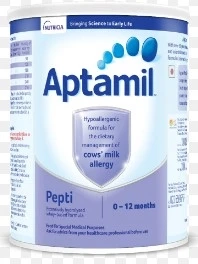
Aptamil Pepti Infant Formula 0 to 12 Months Tin 400gm
Brand: Nutricia International Private Limited
₹2000.00₹1960.00
View Details


Neocate LCP Infant Formula Powder 400GM
Brand: Nutricia International Private Limited
₹3300.00₹3234.00
View Details
Web Stories


Popular Lab Test






Live Doctor consultation
Live Doctor Chat

Fees ₹99
General Physician
Fees ₹99
General Physician
Fees ₹99
General Physician

Dr. Syed Mukhtar Mohiuddin
MBBS, MD , Fellowship in Diabetes Mellitus (UK)
- 7 Years
- English
Available at 00:00 to 07:00
Fees ₹99
General Physician
Fees ₹99
General Physician
Download Our App & Get Consultation from anywhere.