- Published on: Jun 02, 2025
- 4 minute read
- By: Secondmedic Expert
H5N1 Bird Flu: Symptoms, Causes, And Treatment India




Bird flu, also known as Avian Influenza, is a viral infection that spreads mainly among birds. One of the most dangerous types is H5N1, which can also infect humans and cause serious illness. In recent months, India has seen a rise in H5N1 bird flu outbreaks across several states, raising concern among health officials and the general public. This blog will help you understand what H5N1 bird flu is, how it spreads, the symptoms to watch out for, treatment options, and how to stay safe.
What is H5N1 Bird Flu?
H5N1 is a type of highly pathogenic avian influenza (HPAI) virus. It mainly affects domestic and wild birds but can occasionally infect humans and other animals like cats, tigers, and even pigs. The virus was first discovered in 1997 in Hong Kong and has since caused outbreaks around the world, including India.
The term "H5N1" refers to the two proteins on the virus surface: Hemagglutinin (H5) and Neuraminidase (N1). These determine how the virus infects cells and spreads.
H5N1 Bird Flu in India: The Current Situation
India has reported multiple outbreaks of H5N1 in 2025:
-
In Andhra Pradesh, eight outbreaks were confirmed, and over 600,000 birds were either killed by the virus or culled to prevent further spread.
-
A 2-year-old girl from Andhra Pradesh tragically died from H5N1, marking a rare and serious human case.
-
Gorakhpur in Uttar Pradesh has also been affected. Authorities have shut down poultry shops and started culling operations.
-
Other states like Maharashtra, Karnataka, Telangana, and Bihar have reported cases in poultry and wild birds.
These outbreaks highlight the urgent need for public awareness and preventive measures.
How Does H5N1 Spread?
H5N1 bird flu spreads mainly from infected birds to other birds and sometimes to humans.
Among Birds:
-
Direct contact with infected birds (alive or dead)
-
Contact with droppings, saliva, or feathers
-
Contaminated feed, water, cages, or tools
From Birds to Humans:
-
Close contact with infected poultry (handling, cleaning cages)
-
Eating undercooked or raw poultry products
-
Visiting live bird markets
-
Inhaling dust from contaminated bird droppings
It’s important to note that H5N1 does not spread easily from person to person. However, if the virus mutates, it could potentially lead to human-to-human transmission.
Symptoms of H5N1 Bird Flu in Humans
Symptoms of H5N1 infection in humans can appear within 2 to 8 days after exposure. These include:
-
High fever (above 38°C)
-
Cough and sore throat
-
Muscle pain
-
Shortness of breath
-
Fatigue and weakness
-
Eye infections (conjunctivitis)
In more serious cases, the infection can lead to:
-
Pneumonia
-
Multi-organ failure
-
Sepsis
-
Death
Immediate medical attention is critical if you suspect H5N1 infection.
How is H5N1 Diagnosed?
If a person shows flu-like symptoms and has been exposed to infected birds, doctors may recommend the following tests:
-
Throat or nasal swab for virus detection
-
Chest X-ray to check for pneumonia
-
Blood tests to monitor organ function
Samples are sent to specialized laboratories for confirmation. The National Institute of Virology (NIV) in Pune is one such testing center in India.
Treatment for H5N1 Bird Flu
There is no specific cure for H5N1, but early treatment can reduce complications. Doctors often use antiviral drugs like:
-
Oseltamivir (Tamiflu)
-
Zanamivir (Relenza)
These medicines work best when taken within 48 hours of symptom onset.
Supportive Care Includes:
-
Oxygen support
-
Fluids through IV
-
Fever-reducing medications
-
Monitoring vital organs
Hospitalization is usually necessary, especially in severe cases.
How to Prevent H5N1 Bird Flu
Personal Precautions:
-
Wash your hands regularly with soap.
-
Wear masks and gloves while handling birds or cleaning bird cages.
-
Avoid touching dead birds.
-
Cook poultry and eggs thoroughly (internal temperature should reach 70°C).
Avoid:
-
Visiting live bird markets
-
Consuming raw or half-cooked eggs
-
Buying poultry from unlicensed vendors
For Poultry Farmers:
-
Separate sick birds immediately.
-
Disinfect poultry areas regularly.
-
Report unusual bird deaths to local veterinary authorities.
-
Don’t allow wild birds near poultry areas.
Vaccination:
While poultry vaccines exist, there’s currently no approved vaccine for humans against H5N1. However, scientists are working on new vaccines due to the rising global threat.
Government Steps in India
The Indian government, through the Department of Animal Husbandry & Dairying and Ministry of Health, is actively:
-
Monitoring bird flu outbreaks
-
Running awareness campaigns
-
Banning transport of poultry in affected areas
-
Setting up containment zones
-
Coordinating with WHO and international health bodies
States like Andhra Pradesh and Uttar Pradesh have already taken swift action, including culling and disinfection drives.
When to See a Doctor
You should see a doctor immediately if:
-
You develop flu-like symptoms after visiting a poultry farm or market
-
You have handled sick or dead birds recentl
-
Your symptoms worsen quickly (breathing issues, chest pain)
Early diagnosis and treatment can be life-saving.
Conclusion
The H5N1 bird flu is a serious health concern, especially with the recent rise in cases across India. While the risk of human infection remains low, it’s important to stay informed and cautious. If you handle birds or poultry, take proper safety measures and follow local health advisories.
The key to preventing an outbreak lies in awareness, early detection, and strict hygiene practices. Stay updated on the latest news from official health authorities and avoid panic.
If you want to stay safe and informed, bookmark this guide on "H5N1 Bird Flu: Symptoms, Causes, and Treatment India" and share it with your friends and family.
Read FAQs
A. H5N1 is a highly contagious avian influenza virus that mainly affects birds but can infect humans in rare cases.
A. Yes, several outbreaks have been reported in 2025 in states like Andhra Pradesh, Uttar Pradesh, Maharashtra, and Bihar.
A. Symptoms include high fever, cough, sore throat, muscle pain, and shortness of breath. Severe cases may lead to pneumonia or death.
A. Avoid contact with live or dead poultry, cook meat and eggs thoroughly, and follow hygiene guidelines.
A. Antiviral medications like Tamiflu may help if taken early. There is no widely available vaccine for humans as of now.


Vitamin D Deficiency Symptoms: Signs Your Body May Be Lacking Vitamin D
Vitamin D is an essential nutrient that plays a vital role in maintaining strong bones, supporting the immune system and regulating several important functions in the body. Despite its importance, vitamin D deficiency is one of the most common nutritional deficiencies worldwide.
In India, vitamin D deficiency has become increasingly prevalent due to lifestyle factors such as limited sunlight exposure, indoor working environments and dietary habits. According to the Indian Council of Medical Research (ICMR), a significant percentage of the population may have insufficient vitamin D levels.
Recognizing the symptoms of vitamin D deficiency early is important because prolonged deficiency can lead to serious health complications affecting bones, muscles and overall wellbeing.
What Is Vitamin D and Why Is It Important?
Vitamin D is often called the “sunshine vitamin” because the body produces it when the skin is exposed to sunlight. It plays a key role in calcium absorption, which is essential for maintaining healthy bones and teeth.
In addition to bone health, vitamin D supports several important functions including:
immune system regulation
muscle function
inflammation control
hormonal balance
Low levels of vitamin D can disrupt these functions and contribute to various health problems.
Common Symptoms of Vitamin D Deficiency
Vitamin D deficiency can manifest through several symptoms, many of which are often overlooked or mistaken for other health issues.
Persistent Fatigue
Constant tiredness or low energy levels may be one of the earliest signs of vitamin D deficiency. Even after adequate rest, individuals with low vitamin D levels may continue to feel exhausted.
Vitamin D plays a role in cellular energy production, and insufficient levels may contribute to chronic fatigue.
Bone and Back Pain
One of the most well-known effects of vitamin D deficiency is bone discomfort. Vitamin D helps the body absorb calcium, which is essential for maintaining bone strength.
Low vitamin D levels may cause:
bone pain
lower back pain
increased risk of fractures
Persistent bone discomfort should be evaluated by a healthcare professional.
Muscle Weakness
Vitamin D is important for muscle health and function. Deficiency can lead to muscle weakness, cramps or general muscle fatigue.
Older adults with vitamin D deficiency may also experience reduced mobility and increased risk of falls.
Frequent Illness or Infections
Vitamin D plays a key role in supporting the immune system. Individuals with low vitamin D levels may experience frequent colds, infections or slower recovery from illness.
Research suggests that adequate vitamin D levels help strengthen immune defenses against respiratory infections.
Mood Changes and Depression
Vitamin D may influence brain function and mood regulation. Some studies have found a connection between low vitamin D levels and mood disorders such as depression or anxiety.
People experiencing persistent mood changes should consider evaluating vitamin levels as part of a broader health assessment.
Hair Loss
Severe vitamin D deficiency may contribute to hair thinning or hair loss. While hair loss can have multiple causes, nutritional deficiencies including vitamin D deficiency may play a role.
Slow Wound Healing
Vitamin D contributes to the body’s inflammatory response and tissue repair processes. Individuals with deficiency may notice slower wound healing or delayed recovery from injuries.
Who Is at Risk of Vitamin D Deficiency?
Several factors can increase the risk of vitamin D deficiency.
Limited Sun Exposure
People who spend most of their time indoors or use strong sun protection regularly may not receive enough sunlight to produce sufficient vitamin D.
Urban lifestyles and indoor work environments contribute to this problem.
Older Adults
As people age, the skin becomes less efficient at producing vitamin D from sunlight. Older adults may therefore require additional dietary intake or supplements.
Individuals with Darker Skin
Melanin reduces the skin’s ability to produce vitamin D from sunlight. Individuals with darker skin tones may require longer sun exposure to produce adequate levels.
Poor Dietary Intake
Few foods naturally contain vitamin D. Diets lacking fortified foods, dairy products or fatty fish may contribute to deficiency.
Medical Conditions
Certain medical conditions such as kidney disease, liver disease or digestive disorders can affect vitamin D absorption and metabolism.
How Is Vitamin D Deficiency Diagnosed?
Vitamin D deficiency is diagnosed through a simple blood test that measures the level of 25-hydroxyvitamin D in the bloodstream.
Doctors may recommend testing for individuals who experience symptoms of deficiency or belong to high-risk groups.
Early diagnosis allows healthcare providers to recommend appropriate treatment and lifestyle adjustments.
How to Improve Vitamin D Levels
Sunlight Exposure
Regular sunlight exposure is one of the most effective ways to increase vitamin D levels. Experts generally recommend 10 to 30 minutes of sunlight exposure several times per week, depending on skin type and location.
Dietary Sources of Vitamin D
Although limited, certain foods contain vitamin D, including:
fatty fish such as salmon and mackerel
egg yolks
fortified milk and cereals
mushrooms
Including these foods in the diet can help maintain healthy vitamin D levels.
Vitamin D Supplements
In cases of significant deficiency, doctors may recommend vitamin D supplements. The dosage depends on the individual’s vitamin levels, age and health status.
It is important to take supplements under medical supervision to avoid excessive intake.
Preventing Vitamin D Deficiency
Maintaining adequate vitamin D levels requires a balanced combination of sunlight exposure, proper nutrition and regular health monitoring.
Routine health checkups and vitamin testing can help identify deficiencies early and prevent complications.
Adopting a healthy lifestyle with balanced nutrition and outdoor activity can significantly improve vitamin D status and overall health.
Conclusion
Vitamin D deficiency is a common but often overlooked health concern. Symptoms such as fatigue, bone pain, muscle weakness and frequent infections may indicate low vitamin D levels.
Early detection and proper management are essential to prevent long-term health complications. By ensuring adequate sunlight exposure, maintaining a balanced diet and undergoing regular health checkups, individuals can support healthy vitamin D levels and improve overall wellbeing.
Recognizing the warning signs of vitamin D deficiency and seeking timely medical advice can help protect long-term health and maintain optimal body function.
References
-
Indian Council of Medical Research (ICMR) – Nutritional Deficiency Reports
-
World Health Organization (WHO) – Micronutrient Deficiency Guidelines
-
National Institute of Nutrition (NIN) India – Vitamin D Research Reports
-
Lancet Public Health – Nutritional Health Studies
-
National Institutes of Health (NIH) – Vitamin D Fact Sheets for Health Professionals



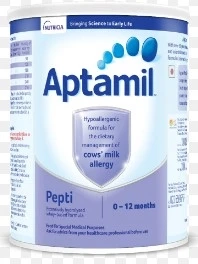
Aptamil Pepti Infant Formula 0 to 12 Months Tin 400gm
Brand: Nutricia International Private Limited
₹2000.00₹1960.00
View Details


Neocate LCP Infant Formula Powder 400GM
Brand: Nutricia International Private Limited
₹3300.00₹3234.00
View Details
Web Stories


Popular Lab Test






Live Doctor consultation
Live Doctor Chat

Fees ₹99
General Physician
Fees ₹99
General Physician
Fees ₹99
General Physician

Dr. Syed Mukhtar Mohiuddin
MBBS, MD , Fellowship in Diabetes Mellitus (UK)
- 7 Years
- English
Available at 00:00 to 07:00
Fees ₹99
General Physician
Fees ₹99
General Physician
Download Our App & Get Consultation from anywhere.