- Published on: Apr 23, 2025
- 3 minute read
- By: Secondmedic Expert
Heat Stroke Symptoms And First Aid: What You Need To Know To Stay Safe




As temperatures continue to rise around the world, heat-related illnesses are becoming more common. One of the most dangerous among them is heat stroke. Whether you're spending time outdoors in the summer sun or working in a hot environment, it's important to recognize the signs of heat stroke and know how to respond quickly.
In this blog post, we'll explain what heat stroke is, its main symptoms, and how to give first aid to someone suffering from it. By understanding these basics, you can protect yourself and others from this life-threatening condition.
What is Heat Stroke?
Heat stroke is a serious and potentially fatal condition that happens when the body gets overheated and can no longer regulate its temperature. It usually occurs when the body's core temperature rises to 104°F (40°C) or higher.
Unlike heat exhaustion, which comes before heat stroke, this condition is a medical emergency. Without quick treatment, it can damage the brain, heart, kidneys, and muscles.
Who is at Risk of Heat Stroke?
Heat stroke can affect anyone, but some people are at higher risk, including:
-
Children and infants
-
Elderly adults
-
Athletes and outdoor workers
-
People with chronic illnesses (like heart disease or diabetes)
-
Individuals taking certain medications (like diuretics or antidepressants)
-
People who drink alcohol or don't stay properly hydrated
Common Causes of Heat Stroke
Heat stroke can result from:
-
Prolonged exposure to high temperatures, especially in combination with high humidity
-
Strenuous physical activity in hot weather
-
Wearing heavy or dark clothing that traps heat
-
Lack of ventilation or access to cool environments
Knowing the causes helps you take steps to avoid the condition in the first place.
Heat Stroke Symptoms
Recognizing heat stroke symptoms early can save lives. Some of the most common warning signs include:
1. High Body Temperature
This is the main sign of heat stroke. A core body temperature of 104°F (40°C) or higher is a major red flag.
2. Altered Mental State or Behavior
The person may become confused, agitated, irritable, or even lose consciousness. In severe cases, seizures or coma can occur.
3. Hot and Dry Skin
The skin might feel hot to the touch. Unlike heat exhaustion, where sweating is common, heat stroke can cause dry skin due to the failure of the sweating mechanism.
4. Nausea and Vomiting
Feeling sick to the stomach or actually vomiting is another sign of heat stroke.
5. Rapid Breathing and Heartbeat
The body tries to cool itself down by increasing heart rate and breathing rate.
6. Headache
A throbbing headache can be an early warning sign.
7. Muscle Cramps or Weakness
Some people may experience muscle pain or weakness, especially after physical exertion in the heat.
First Aid for Heat Stroke
If you or someone nearby shows signs of heat stroke, immediate action is critical. Here's what you should do:
1. Call Emergency Services
Always call 911 or your local emergency number first. Heat stroke is life-threatening and needs professional medical care.
2. Move to a Cooler Place
Get the person out of the hot environment immediately. Move them into an air-conditioned room, shaded area, or at least somewhere with a fan.
3. Cool the Person Down
-
Remove excess clothing
-
Use cool, wet cloths or towels on the skin
-
Place ice packs on key areas like the armpits, neck, and groin
-
If possible, immerse them in cool (not cold) water like a bath or shower
4. Hydrate If Conscious
If the person is alert and able to swallow, give them cool water or a sports drink. Avoid alcohol, caffeine, and very cold drinks.
5. Monitor Their Condition
Watch for changes in consciousness, breathing, or behavior. Stay with the person until help arrives.
Important: Do not give fluids if the person is unconscious, having seizures, or vomiting.
How to Prevent Heat Stroke
Prevention is always better than cure. Here are some tips to avoid heat stroke:
-
Stay hydrated: Drink water throughout the day, especially if you’re outside or exercising.
-
Wear light clothing: Choose loose, breathable fabrics like cotton.
-
Avoid peak sun hours: Try to stay indoors between 11 a.m. and 4 p.m. when the sun is strongest.
-
Use fans and air conditioning: Stay cool at home or find a cooling center during heat waves.
-
Take breaks: If you’re working outside, take frequent breaks in the shade or a cool place.
-
Never leave children or pets in cars: Temperatures inside a car can rise rapidly, even on mild days.
Final Thoughts
Heat stroke is a dangerous but preventable condition. By staying aware of your body, watching out for early warning signs, and taking quick action, you can protect yourself and others from its serious effects.
Whether you're hiking, working outdoors, or just enjoying a sunny day, make sure you’re prepared. Keep cool, drink water, and know what to do in an emergency.
Conclusion
Understanding heat stroke symptoms and first aid can truly make the difference between life and death. Always stay alert during hot weather, and don’t hesitate to act fast if you or someone around you starts showing signs of heat stroke. Remember, your quick response can save a life.
Want to learn more or share this knowledge with loved ones? Bookmark this post and spread the word about heat stroke symptoms and first aid — because safety starts with awareness.
Read FAQs
A. Heat exhaustion is a milder condition that happens before heat stroke. It causes heavy sweating, weakness, and dizziness. Heat stroke is more serious and can cause confusion, loss of consciousness, and a very high body temperature. Heat stroke needs emergency treatment right away.
A. Yes, with quick medical treatment, many people recover fully from heat stroke. However, if treatment is delayed, it can cause serious damage to the brain, heart, or kidneys. Acting fast is key to a full recovery.
A. Symptoms can appear within a few hours of heat exposure, especially during physical activity. In some cases, it can develop suddenly without warning. That’s why it's important to watch for early signs like headache, dizziness, or confusion.
A. Don’t give them drinks if they’re unconscious or vomiting. Don’t use ice-cold water, as it can cause shock. And don’t wait for symptoms to go away on their own—always call emergency services immediately.
A. Stay hydrated, wear light clothes, avoid being outdoors during the hottest parts of the day, and take breaks in the shade. Also, never leave kids or pets in a parked car.


Vitamin D Deficiency Symptoms: Signs Your Body May Be Lacking Vitamin D
Vitamin D is an essential nutrient that plays a vital role in maintaining strong bones, supporting the immune system and regulating several important functions in the body. Despite its importance, vitamin D deficiency is one of the most common nutritional deficiencies worldwide.
In India, vitamin D deficiency has become increasingly prevalent due to lifestyle factors such as limited sunlight exposure, indoor working environments and dietary habits. According to the Indian Council of Medical Research (ICMR), a significant percentage of the population may have insufficient vitamin D levels.
Recognizing the symptoms of vitamin D deficiency early is important because prolonged deficiency can lead to serious health complications affecting bones, muscles and overall wellbeing.
What Is Vitamin D and Why Is It Important?
Vitamin D is often called the “sunshine vitamin” because the body produces it when the skin is exposed to sunlight. It plays a key role in calcium absorption, which is essential for maintaining healthy bones and teeth.
In addition to bone health, vitamin D supports several important functions including:
immune system regulation
muscle function
inflammation control
hormonal balance
Low levels of vitamin D can disrupt these functions and contribute to various health problems.
Common Symptoms of Vitamin D Deficiency
Vitamin D deficiency can manifest through several symptoms, many of which are often overlooked or mistaken for other health issues.
Persistent Fatigue
Constant tiredness or low energy levels may be one of the earliest signs of vitamin D deficiency. Even after adequate rest, individuals with low vitamin D levels may continue to feel exhausted.
Vitamin D plays a role in cellular energy production, and insufficient levels may contribute to chronic fatigue.
Bone and Back Pain
One of the most well-known effects of vitamin D deficiency is bone discomfort. Vitamin D helps the body absorb calcium, which is essential for maintaining bone strength.
Low vitamin D levels may cause:
bone pain
lower back pain
increased risk of fractures
Persistent bone discomfort should be evaluated by a healthcare professional.
Muscle Weakness
Vitamin D is important for muscle health and function. Deficiency can lead to muscle weakness, cramps or general muscle fatigue.
Older adults with vitamin D deficiency may also experience reduced mobility and increased risk of falls.
Frequent Illness or Infections
Vitamin D plays a key role in supporting the immune system. Individuals with low vitamin D levels may experience frequent colds, infections or slower recovery from illness.
Research suggests that adequate vitamin D levels help strengthen immune defenses against respiratory infections.
Mood Changes and Depression
Vitamin D may influence brain function and mood regulation. Some studies have found a connection between low vitamin D levels and mood disorders such as depression or anxiety.
People experiencing persistent mood changes should consider evaluating vitamin levels as part of a broader health assessment.
Hair Loss
Severe vitamin D deficiency may contribute to hair thinning or hair loss. While hair loss can have multiple causes, nutritional deficiencies including vitamin D deficiency may play a role.
Slow Wound Healing
Vitamin D contributes to the body’s inflammatory response and tissue repair processes. Individuals with deficiency may notice slower wound healing or delayed recovery from injuries.
Who Is at Risk of Vitamin D Deficiency?
Several factors can increase the risk of vitamin D deficiency.
Limited Sun Exposure
People who spend most of their time indoors or use strong sun protection regularly may not receive enough sunlight to produce sufficient vitamin D.
Urban lifestyles and indoor work environments contribute to this problem.
Older Adults
As people age, the skin becomes less efficient at producing vitamin D from sunlight. Older adults may therefore require additional dietary intake or supplements.
Individuals with Darker Skin
Melanin reduces the skin’s ability to produce vitamin D from sunlight. Individuals with darker skin tones may require longer sun exposure to produce adequate levels.
Poor Dietary Intake
Few foods naturally contain vitamin D. Diets lacking fortified foods, dairy products or fatty fish may contribute to deficiency.
Medical Conditions
Certain medical conditions such as kidney disease, liver disease or digestive disorders can affect vitamin D absorption and metabolism.
How Is Vitamin D Deficiency Diagnosed?
Vitamin D deficiency is diagnosed through a simple blood test that measures the level of 25-hydroxyvitamin D in the bloodstream.
Doctors may recommend testing for individuals who experience symptoms of deficiency or belong to high-risk groups.
Early diagnosis allows healthcare providers to recommend appropriate treatment and lifestyle adjustments.
How to Improve Vitamin D Levels
Sunlight Exposure
Regular sunlight exposure is one of the most effective ways to increase vitamin D levels. Experts generally recommend 10 to 30 minutes of sunlight exposure several times per week, depending on skin type and location.
Dietary Sources of Vitamin D
Although limited, certain foods contain vitamin D, including:
fatty fish such as salmon and mackerel
egg yolks
fortified milk and cereals
mushrooms
Including these foods in the diet can help maintain healthy vitamin D levels.
Vitamin D Supplements
In cases of significant deficiency, doctors may recommend vitamin D supplements. The dosage depends on the individual’s vitamin levels, age and health status.
It is important to take supplements under medical supervision to avoid excessive intake.
Preventing Vitamin D Deficiency
Maintaining adequate vitamin D levels requires a balanced combination of sunlight exposure, proper nutrition and regular health monitoring.
Routine health checkups and vitamin testing can help identify deficiencies early and prevent complications.
Adopting a healthy lifestyle with balanced nutrition and outdoor activity can significantly improve vitamin D status and overall health.
Conclusion
Vitamin D deficiency is a common but often overlooked health concern. Symptoms such as fatigue, bone pain, muscle weakness and frequent infections may indicate low vitamin D levels.
Early detection and proper management are essential to prevent long-term health complications. By ensuring adequate sunlight exposure, maintaining a balanced diet and undergoing regular health checkups, individuals can support healthy vitamin D levels and improve overall wellbeing.
Recognizing the warning signs of vitamin D deficiency and seeking timely medical advice can help protect long-term health and maintain optimal body function.
References
-
Indian Council of Medical Research (ICMR) – Nutritional Deficiency Reports
-
World Health Organization (WHO) – Micronutrient Deficiency Guidelines
-
National Institute of Nutrition (NIN) India – Vitamin D Research Reports
-
Lancet Public Health – Nutritional Health Studies
-
National Institutes of Health (NIH) – Vitamin D Fact Sheets for Health Professionals
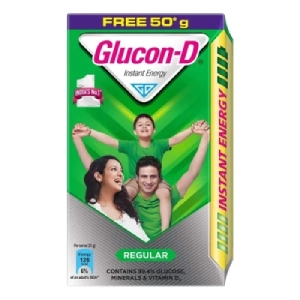


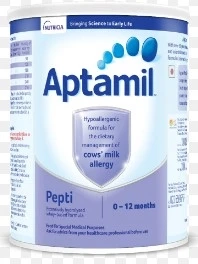
Aptamil Pepti Infant Formula 0 to 12 Months Tin 400gm
Brand: Nutricia International Private Limited
₹2000.00₹1960.00
View Details


Neocate LCP Infant Formula Powder 400GM
Brand: Nutricia International Private Limited
₹3300.00₹3234.00
View Details
Web Stories


Popular Lab Test






Live Doctor consultation
Live Doctor Chat

Fees ₹99
General Physician

Dr. Syed Mukhtar Mohiuddin
MBBS, MD , Fellowship in Diabetes Mellitus (UK)
- 7 Years
- English
Available at 00:00 to 07:00
Fees ₹99
General Physician
Fees ₹99
General Physician
Fees ₹99
General Physician
Fees ₹99
General Physician
Download Our App & Get Consultation from anywhere.