- Published on: Jun 13, 2025
- 3 minute read
- By: Secondmedic Expert
Hidden Sodium In Indian Foods – Why It Matters




When we think of salty foods, items like chips, pickles, and papads usually come to mind. But what if we told you that many everyday Indian dishes — the ones we consider "normal" or even "healthy" — are loaded with hidden sodium? This is especially important because excess salt (sodium) is a major factor behind rising cases of high blood pressure, heart disease, and kidney problems in India.
Let’s understand what hidden sodium is, why it is found in so many Indian foods, and how it silently affects your health.
What Is Sodium and Why Do We Need It?
Sodium is a mineral that our body needs in small amounts. It helps in:
-
Controlling blood pressure
-
Balancing fluids in the body
-
Supporting muscle and nerve function
But the key word here is “small” amounts.
According to the World Health Organization (WHO), an adult should not consume more than 2,000 mg of sodium per day — roughly one teaspoon of salt. However, studies show that Indians are consuming twice that amount, and often without realizing it.
What Is Hidden Sodium?
Hidden sodium refers to the salt content in foods that don’t taste salty or where you don’t expect salt. This includes:
-
Ready-made spice blends
-
Pickles and chutneys
-
Snacks like bhujia, samosas, or farsan
-
Bakery items like bread, biscuits, and cakes
-
Canned or preserved foods
-
Processed or packaged items like instant noodles or ready-to-eat meals
You might not sprinkle extra salt on these foods, but they already contain high levels of sodium.
Common Indian Foods High in Hidden Sodium
Here are some everyday foods that may surprise you with their sodium levels:
1. Pickles and Papads
Almost every Indian household has pickles and papads. A single spoon of pickle or a piece of papad can have 200-300 mg of sodium. We eat them as sides, but they add up quickly in your daily intake.
2. Spice Mixes and Masalas
Store-bought masalas like garam masala, chaat masala, and pav bhaji masala often contain added salt to enhance flavor. Every spoon you add means more sodium, even if you don’t add salt separately.
3. Instant and Packaged Foods
Instant noodles, soups, and snacks like sev, murukku, or mixture are loaded with salt to preserve them and enhance taste. Even a small packet can exceed 1,000 mg sodium!
4. Street Food
Street foods like chaat, vada pav, samosa, and pakoras are often seasoned heavily with salty masalas, chutneys, and sauces.
5. Restaurant & Takeaway Food
Curries, biryanis, dals, and even roti or naan from restaurants contain more salt than home-cooked food. Chefs add salt multiple times – during marination, cooking, and seasoning.
How Hidden Sodium Affects Your Health
1. High Blood Pressure
Sodium pulls water into the bloodstream, increasing blood volume. This raises your blood pressure, putting strain on the heart.
2. Heart Disease & Stroke
Over time, high blood pressure damages arteries, leading to heart attacks and strokes — two of the biggest killers in India.
3. Kidney Damage
Excess sodium makes kidneys work harder, and over time, they may fail to remove toxins efficiently.
4. Water Retention and Bloating
High sodium causes your body to hold on to extra water, making you feel puffy and bloated.
5. Increased Risk of Osteoporosis
Too much salt can cause the body to lose calcium, leading to weak bones over time.
Why Is This a Bigger Issue in India?
-
Cultural habits: We love flavor, and salt enhances taste. From spicy pickles to tangy chaat, salt is everywhere in Indian cuisine.
-
Lack of awareness: Many people don’t know that even “non-salty” foods like biscuits or bread have sodium.
-
No clear labeling: Many Indian packaged foods don’t clearly mention sodium levels.
-
Rising packaged food consumption: Urban lifestyles mean more reliance on processed foods.
How to Reduce Hidden Sodium in Your Diet
You don’t need to give up your favorite Indian foods — just make smarter choices:
Read Labels
Look for “low sodium” or “no added salt” options in packaged foods. Check the nutrition panel for sodium content.
Cook at Home
Cooking at home gives you full control over how much salt you use. Avoid adding salt to rice or chapati dough.
Limit Pickles, Papads & Chutneys
Enjoy these in moderation — they are sodium bombs. Use smaller portions or make low-salt versions at home.
Cut Back on Packaged Snacks
Instead of salted namkeen, go for roasted chana, fresh fruits, or homemade snacks.
Use Herbs & Spices
Flavor your food with herbs like coriander, mint, curry leaves, or spices like cumin, turmeric, ginger, garlic, and mustard. They add taste without the salt.
Avoid Extra Table Salt
Don’t sprinkle salt on salads, curd, or fruits. Train your taste buds to enjoy food with less salt.
Hydrate Well
Drink enough water daily — it helps flush out excess sodium from the body.
A Word for Those With Health Issues
If you have high blood pressure, kidney issues, or are at risk of heart disease, you need to be even more careful. Talk to your doctor or a dietitian about a low-sodium diet plan suitable for your lifestyle.
Conclusion: Don’t Let Sodium Stay Hidden
Sodium is essential in small amounts, but hidden sodium in Indian foods is putting your health at risk — quietly, every day. The problem is not just about adding less salt; it's about knowing where the salt is hiding.
Start small — read food labels, choose fresh over processed, and use herbs to flavor your meals. With a little awareness and effort, you can take control of your salt intake and protect your long-term health.
Take the first step towards a healthier heart and body by learning more about hidden sodium in Indian foods – why it matters.
Read FAQs
A. Hidden sodium refers to salt content present in foods that don't taste salty or where salt isn't obvious—like pickles, papads, spice mixes, processed snacks, and ready-made meals.
A. Too much sodium can lead to high blood pressure, heart disease, kidney issues, water retention, and even bone loss over time.
A. Foods like packaged namkeens, instant noodles, restaurant curries, pickles, chutneys, and bakery items often contain high levels of hidden sodium.
A. Use natural herbs and spices like ginger, garlic, coriander, cumin, and lemon juice to enhance flavor without adding salt.
A. Useful tests include Serum Sodium, 24-Hour Urine Sodium, and comprehensive packages like Thyrocare's Aarogyam profiles available via SecondMedic.


Vitamin D Deficiency Symptoms: Signs Your Body May Be Lacking Vitamin D
Vitamin D is an essential nutrient that plays a vital role in maintaining strong bones, supporting the immune system and regulating several important functions in the body. Despite its importance, vitamin D deficiency is one of the most common nutritional deficiencies worldwide.
In India, vitamin D deficiency has become increasingly prevalent due to lifestyle factors such as limited sunlight exposure, indoor working environments and dietary habits. According to the Indian Council of Medical Research (ICMR), a significant percentage of the population may have insufficient vitamin D levels.
Recognizing the symptoms of vitamin D deficiency early is important because prolonged deficiency can lead to serious health complications affecting bones, muscles and overall wellbeing.
What Is Vitamin D and Why Is It Important?
Vitamin D is often called the “sunshine vitamin” because the body produces it when the skin is exposed to sunlight. It plays a key role in calcium absorption, which is essential for maintaining healthy bones and teeth.
In addition to bone health, vitamin D supports several important functions including:
immune system regulation
muscle function
inflammation control
hormonal balance
Low levels of vitamin D can disrupt these functions and contribute to various health problems.
Common Symptoms of Vitamin D Deficiency
Vitamin D deficiency can manifest through several symptoms, many of which are often overlooked or mistaken for other health issues.
Persistent Fatigue
Constant tiredness or low energy levels may be one of the earliest signs of vitamin D deficiency. Even after adequate rest, individuals with low vitamin D levels may continue to feel exhausted.
Vitamin D plays a role in cellular energy production, and insufficient levels may contribute to chronic fatigue.
Bone and Back Pain
One of the most well-known effects of vitamin D deficiency is bone discomfort. Vitamin D helps the body absorb calcium, which is essential for maintaining bone strength.
Low vitamin D levels may cause:
bone pain
lower back pain
increased risk of fractures
Persistent bone discomfort should be evaluated by a healthcare professional.
Muscle Weakness
Vitamin D is important for muscle health and function. Deficiency can lead to muscle weakness, cramps or general muscle fatigue.
Older adults with vitamin D deficiency may also experience reduced mobility and increased risk of falls.
Frequent Illness or Infections
Vitamin D plays a key role in supporting the immune system. Individuals with low vitamin D levels may experience frequent colds, infections or slower recovery from illness.
Research suggests that adequate vitamin D levels help strengthen immune defenses against respiratory infections.
Mood Changes and Depression
Vitamin D may influence brain function and mood regulation. Some studies have found a connection between low vitamin D levels and mood disorders such as depression or anxiety.
People experiencing persistent mood changes should consider evaluating vitamin levels as part of a broader health assessment.
Hair Loss
Severe vitamin D deficiency may contribute to hair thinning or hair loss. While hair loss can have multiple causes, nutritional deficiencies including vitamin D deficiency may play a role.
Slow Wound Healing
Vitamin D contributes to the body’s inflammatory response and tissue repair processes. Individuals with deficiency may notice slower wound healing or delayed recovery from injuries.
Who Is at Risk of Vitamin D Deficiency?
Several factors can increase the risk of vitamin D deficiency.
Limited Sun Exposure
People who spend most of their time indoors or use strong sun protection regularly may not receive enough sunlight to produce sufficient vitamin D.
Urban lifestyles and indoor work environments contribute to this problem.
Older Adults
As people age, the skin becomes less efficient at producing vitamin D from sunlight. Older adults may therefore require additional dietary intake or supplements.
Individuals with Darker Skin
Melanin reduces the skin’s ability to produce vitamin D from sunlight. Individuals with darker skin tones may require longer sun exposure to produce adequate levels.
Poor Dietary Intake
Few foods naturally contain vitamin D. Diets lacking fortified foods, dairy products or fatty fish may contribute to deficiency.
Medical Conditions
Certain medical conditions such as kidney disease, liver disease or digestive disorders can affect vitamin D absorption and metabolism.
How Is Vitamin D Deficiency Diagnosed?
Vitamin D deficiency is diagnosed through a simple blood test that measures the level of 25-hydroxyvitamin D in the bloodstream.
Doctors may recommend testing for individuals who experience symptoms of deficiency or belong to high-risk groups.
Early diagnosis allows healthcare providers to recommend appropriate treatment and lifestyle adjustments.
How to Improve Vitamin D Levels
Sunlight Exposure
Regular sunlight exposure is one of the most effective ways to increase vitamin D levels. Experts generally recommend 10 to 30 minutes of sunlight exposure several times per week, depending on skin type and location.
Dietary Sources of Vitamin D
Although limited, certain foods contain vitamin D, including:
fatty fish such as salmon and mackerel
egg yolks
fortified milk and cereals
mushrooms
Including these foods in the diet can help maintain healthy vitamin D levels.
Vitamin D Supplements
In cases of significant deficiency, doctors may recommend vitamin D supplements. The dosage depends on the individual’s vitamin levels, age and health status.
It is important to take supplements under medical supervision to avoid excessive intake.
Preventing Vitamin D Deficiency
Maintaining adequate vitamin D levels requires a balanced combination of sunlight exposure, proper nutrition and regular health monitoring.
Routine health checkups and vitamin testing can help identify deficiencies early and prevent complications.
Adopting a healthy lifestyle with balanced nutrition and outdoor activity can significantly improve vitamin D status and overall health.
Conclusion
Vitamin D deficiency is a common but often overlooked health concern. Symptoms such as fatigue, bone pain, muscle weakness and frequent infections may indicate low vitamin D levels.
Early detection and proper management are essential to prevent long-term health complications. By ensuring adequate sunlight exposure, maintaining a balanced diet and undergoing regular health checkups, individuals can support healthy vitamin D levels and improve overall wellbeing.
Recognizing the warning signs of vitamin D deficiency and seeking timely medical advice can help protect long-term health and maintain optimal body function.
References
-
Indian Council of Medical Research (ICMR) – Nutritional Deficiency Reports
-
World Health Organization (WHO) – Micronutrient Deficiency Guidelines
-
National Institute of Nutrition (NIN) India – Vitamin D Research Reports
-
Lancet Public Health – Nutritional Health Studies
-
National Institutes of Health (NIH) – Vitamin D Fact Sheets for Health Professionals


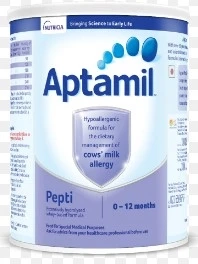
Aptamil Pepti Infant Formula 0 to 12 Months Tin 400gm
Brand: Nutricia International Private Limited
₹2000.00₹1960.00
View Details

Neocate LCP Infant Formula Powder 400GM
Brand: Nutricia International Private Limited
₹3300.00₹3234.00
View Details
Web Stories


Popular Lab Test






Live Doctor consultation
Live Doctor Chat

Fees ₹99
General Physician
Fees ₹99
General Physician
Fees ₹99
General Physician

Dr. Syed Mukhtar Mohiuddin
MBBS, MD , Fellowship in Diabetes Mellitus (UK)
- 7 Years
- English
Available at 00:00 to 07:00
Fees ₹99
General Physician
Fees ₹99
General Physician
Download Our App & Get Consultation from anywhere.