- Published on: Apr 26, 2025
- 3 minute read
- By: Secondmedic Expert
How To Relieve Gas Pain: Simple And Effective Ways




Gas pain is a common problem that almost everyone experiences at some point. It can cause bloating, cramps, and a feeling of pressure in your stomach. While it is usually not serious, gas pain can be uncomfortable and even embarrassing. The good news is that there are many simple ways to find relief quickly.
In this article, we will talk about what causes gas pain, how you can prevent it, and most importantly, how to relieve gas pain naturally and effectively.
What Causes Gas Pain?
Gas pain happens when too much air builds up in your stomach or intestines. Several things can cause this, including:
-
Swallowing air: This can happen when you eat or drink too fast, chew gum, or drink carbonated beverages.
-
Eating gas-producing foods: Foods like beans, cabbage, onions, and carbonated drinks can create more gas in your digestive system.
-
Digestive disorders: Conditions like irritable bowel syndrome (IBS), lactose intolerance, or celiac disease can cause excess gas and bloating.
-
Changes in gut bacteria: An imbalance in your gut bacteria can lead to more gas production.
-
Stress and anxiety: Emotional stress can also affect your digestion and cause gas pain.
Understanding what causes your gas pain is the first step to finding relief.
Symptoms of Gas Pain
Common symptoms of gas pain include:
-
Sharp, cramping pains in your stomach or abdomen
-
A feeling of pressure or fullness
-
Bloating and swelling in the stomach
-
Passing gas (flatulence) or burping
Sometimes, gas pain can feel so intense that people mistake it for heart problems. If the pain is severe or comes with other symptoms like fever, vomiting, or blood in your stool, it is important to see a doctor.
How To Relieve Gas Pain Quickly
Here are some easy and natural ways to relieve gas pain:
1. Move Around
Physical activity can help your digestive system work better. Taking a short walk after meals can encourage the movement of gas through your intestines and reduce bloating. Gentle exercises like yoga poses such as "wind-relieving pose" are especially good for releasing trapped gas.
2. Apply Heat
Using a heating pad or warm towel on your stomach can relax your muscles and help gas pass more easily. Heat increases blood flow and can provide quick relief from cramping pains.
3. Drink Herbal Tea
Certain herbal teas are excellent for digestion and gas pain relief. Peppermint tea, ginger tea, and chamomile tea are especially effective. They help calm the muscles of the intestines and allow trapped gas to move through.
4. Try Gentle Abdominal Massage
Massaging your abdomen in a clockwise direction can stimulate your intestines and help gas move through your system. Use gentle, circular motions and a little bit of pressure for a few minutes.
5. Use Over-the-Counter Remedies
There are several over-the-counter medicines that can help relieve gas pain. Products like simethicone (Gas-X) can break up gas bubbles and make them easier to pass. Always follow the instructions and consult a doctor if you have any concerns.
6. Change Your Eating Habits
How you eat is just as important as what you eat. To prevent swallowing extra air:
-
Eat slowly and chew your food well.
-
Avoid drinking through a straw.
-
Don't talk while chewing.
-
Avoid chewing gum or sucking on hard candies.
Eating smaller, more frequent meals can also help ease digestion and reduce gas buildup.
7. Watch What You Eat
Some foods are more likely to cause gas than others. Common culprits include:
-
Beans
-
Lentils
-
Broccoli
-
Cabbage
-
Onions
-
Carbonated drinks
-
Dairy products (for people who are lactose intolerant)
You don't have to avoid these foods completely, but try cutting back and see if your symptoms improve.
8. Stay Hydrated
Drinking enough water helps move food and waste through your digestive system more easily, reducing the chance of gas buildup. Aim for at least 6-8 glasses of water a day.
9. Manage Stress
Stress can cause digestive problems and make gas pain worse. Practice relaxation techniques like deep breathing, meditation, or even just taking a few minutes each day to relax and unwind.
When to See a Doctor
Most of the time, gas pain is harmless and goes away on its own. However, you should see a doctor if:
-
Gas pain is severe and doesn't improve
-
You have other symptoms like vomiting, fever, or blood in your stool
-
You lose weight without trying
-
You experience changes in your bowel habits
These could be signs of a more serious condition that needs medical attention.
Conclusion
Gas pain can be uncomfortable, but it is usually easy to treat with simple lifestyle changes and natural remedies. Moving your body, drinking herbal tea, applying heat, and making small changes to your diet can make a big difference.
If you’re tired of dealing with discomfort, take action today. Try these tips and feel better fast. And remember, if you're looking for more natural and effective solutions, our complete guide on How To Relieve Gas Pain can help you take control of your digestive health and enjoy life without the bloating and cramps!
Read FAQs
A. Gas pain is usually caused by swallowing air, eating gas-producing foods, digestive issues like IBS, or imbalances in gut bacteria.
A. Simple methods like walking, applying a heating pad, drinking herbal tea, or using over-the-counter remedies like simethicone can provide quick gas pain relief.
A. Foods like beans, broccoli, cabbage, onions, carbonated drinks, and dairy products (if lactose intolerant) can cause more gas and should be eaten in moderation.
A. Yes, stress and anxiety can affect digestion and lead to gas buildup, bloating, and stomach cramps.
A. If your gas pain is severe, lasts a long time, or comes with symptoms like vomiting, fever, weight loss, or blood in stool, you should consult a doctor.


Vitamin D Deficiency Symptoms: Signs Your Body May Be Lacking Vitamin D
Vitamin D is an essential nutrient that plays a vital role in maintaining strong bones, supporting the immune system and regulating several important functions in the body. Despite its importance, vitamin D deficiency is one of the most common nutritional deficiencies worldwide.
In India, vitamin D deficiency has become increasingly prevalent due to lifestyle factors such as limited sunlight exposure, indoor working environments and dietary habits. According to the Indian Council of Medical Research (ICMR), a significant percentage of the population may have insufficient vitamin D levels.
Recognizing the symptoms of vitamin D deficiency early is important because prolonged deficiency can lead to serious health complications affecting bones, muscles and overall wellbeing.
What Is Vitamin D and Why Is It Important?
Vitamin D is often called the “sunshine vitamin” because the body produces it when the skin is exposed to sunlight. It plays a key role in calcium absorption, which is essential for maintaining healthy bones and teeth.
In addition to bone health, vitamin D supports several important functions including:
immune system regulation
muscle function
inflammation control
hormonal balance
Low levels of vitamin D can disrupt these functions and contribute to various health problems.
Common Symptoms of Vitamin D Deficiency
Vitamin D deficiency can manifest through several symptoms, many of which are often overlooked or mistaken for other health issues.
Persistent Fatigue
Constant tiredness or low energy levels may be one of the earliest signs of vitamin D deficiency. Even after adequate rest, individuals with low vitamin D levels may continue to feel exhausted.
Vitamin D plays a role in cellular energy production, and insufficient levels may contribute to chronic fatigue.
Bone and Back Pain
One of the most well-known effects of vitamin D deficiency is bone discomfort. Vitamin D helps the body absorb calcium, which is essential for maintaining bone strength.
Low vitamin D levels may cause:
bone pain
lower back pain
increased risk of fractures
Persistent bone discomfort should be evaluated by a healthcare professional.
Muscle Weakness
Vitamin D is important for muscle health and function. Deficiency can lead to muscle weakness, cramps or general muscle fatigue.
Older adults with vitamin D deficiency may also experience reduced mobility and increased risk of falls.
Frequent Illness or Infections
Vitamin D plays a key role in supporting the immune system. Individuals with low vitamin D levels may experience frequent colds, infections or slower recovery from illness.
Research suggests that adequate vitamin D levels help strengthen immune defenses against respiratory infections.
Mood Changes and Depression
Vitamin D may influence brain function and mood regulation. Some studies have found a connection between low vitamin D levels and mood disorders such as depression or anxiety.
People experiencing persistent mood changes should consider evaluating vitamin levels as part of a broader health assessment.
Hair Loss
Severe vitamin D deficiency may contribute to hair thinning or hair loss. While hair loss can have multiple causes, nutritional deficiencies including vitamin D deficiency may play a role.
Slow Wound Healing
Vitamin D contributes to the body’s inflammatory response and tissue repair processes. Individuals with deficiency may notice slower wound healing or delayed recovery from injuries.
Who Is at Risk of Vitamin D Deficiency?
Several factors can increase the risk of vitamin D deficiency.
Limited Sun Exposure
People who spend most of their time indoors or use strong sun protection regularly may not receive enough sunlight to produce sufficient vitamin D.
Urban lifestyles and indoor work environments contribute to this problem.
Older Adults
As people age, the skin becomes less efficient at producing vitamin D from sunlight. Older adults may therefore require additional dietary intake or supplements.
Individuals with Darker Skin
Melanin reduces the skin’s ability to produce vitamin D from sunlight. Individuals with darker skin tones may require longer sun exposure to produce adequate levels.
Poor Dietary Intake
Few foods naturally contain vitamin D. Diets lacking fortified foods, dairy products or fatty fish may contribute to deficiency.
Medical Conditions
Certain medical conditions such as kidney disease, liver disease or digestive disorders can affect vitamin D absorption and metabolism.
How Is Vitamin D Deficiency Diagnosed?
Vitamin D deficiency is diagnosed through a simple blood test that measures the level of 25-hydroxyvitamin D in the bloodstream.
Doctors may recommend testing for individuals who experience symptoms of deficiency or belong to high-risk groups.
Early diagnosis allows healthcare providers to recommend appropriate treatment and lifestyle adjustments.
How to Improve Vitamin D Levels
Sunlight Exposure
Regular sunlight exposure is one of the most effective ways to increase vitamin D levels. Experts generally recommend 10 to 30 minutes of sunlight exposure several times per week, depending on skin type and location.
Dietary Sources of Vitamin D
Although limited, certain foods contain vitamin D, including:
fatty fish such as salmon and mackerel
egg yolks
fortified milk and cereals
mushrooms
Including these foods in the diet can help maintain healthy vitamin D levels.
Vitamin D Supplements
In cases of significant deficiency, doctors may recommend vitamin D supplements. The dosage depends on the individual’s vitamin levels, age and health status.
It is important to take supplements under medical supervision to avoid excessive intake.
Preventing Vitamin D Deficiency
Maintaining adequate vitamin D levels requires a balanced combination of sunlight exposure, proper nutrition and regular health monitoring.
Routine health checkups and vitamin testing can help identify deficiencies early and prevent complications.
Adopting a healthy lifestyle with balanced nutrition and outdoor activity can significantly improve vitamin D status and overall health.
Conclusion
Vitamin D deficiency is a common but often overlooked health concern. Symptoms such as fatigue, bone pain, muscle weakness and frequent infections may indicate low vitamin D levels.
Early detection and proper management are essential to prevent long-term health complications. By ensuring adequate sunlight exposure, maintaining a balanced diet and undergoing regular health checkups, individuals can support healthy vitamin D levels and improve overall wellbeing.
Recognizing the warning signs of vitamin D deficiency and seeking timely medical advice can help protect long-term health and maintain optimal body function.
References
-
Indian Council of Medical Research (ICMR) – Nutritional Deficiency Reports
-
World Health Organization (WHO) – Micronutrient Deficiency Guidelines
-
National Institute of Nutrition (NIN) India – Vitamin D Research Reports
-
Lancet Public Health – Nutritional Health Studies
-
National Institutes of Health (NIH) – Vitamin D Fact Sheets for Health Professionals


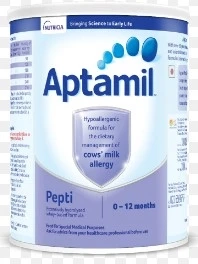
Aptamil Pepti Infant Formula 0 to 12 Months Tin 400gm
Brand: Nutricia International Private Limited
₹2000.00₹1960.00
View Details


Neocate LCP Infant Formula Powder 400GM
Brand: Nutricia International Private Limited
₹3300.00₹3234.00
View Details
Web Stories


Popular Lab Test






Live Doctor consultation
Live Doctor Chat

Fees ₹99
General Physician

Dr. Syed Mukhtar Mohiuddin
MBBS, MD , Fellowship in Diabetes Mellitus (UK)
- 7 Years
- English
Available at 00:00 to 07:00
Fees ₹99
General Physician
Fees ₹99
General Physician
Fees ₹99
General Physician
Fees ₹99
General Physician
Download Our App & Get Consultation from anywhere.