- Published on: Nov 18, 2023
- 3 minute read
- By: Secondmedic Expert
Managing FOMO Stress: 6 Practical Ways To Deal With The Fear Of Missing Out




Do you find yourself constantly checking your social media accounts, fearing you might miss out on the latest trends or events? Are you plagued by the anxiety of not being in the loop? If so, you're likely experiencing FOMO – the Fear of Missing Out. In this digital age, where social media dominates our lives, managing FOMO stress has become essential for mental well-being. In this blog, we'll explore the concept of FOMO, its signs, and delve into six practical ways to effectively deal with the fear of missing out.
What is FOMO?
FOMO, or the Fear of Missing Out, is a pervasive feeling of anxiety and insecurity that arises when one believes others are experiencing enjoyable events from which they are absent. This phenomenon is often fueled by social media platforms, where curated glimpses of others' lives can lead to a sense of inadequacy and isolation. Understanding what FOMO is and its impact on mental well being is crucial in order to address and manage it effectively.
Signs of FOMO Stress:
1. Excessive Social Media Checking: Individuals experiencing FOMO tend to compulsively check their social media accounts to stay updated on the latest happenings.
2. Comparing Yourself to Others: Constantly measuring your achievements and experiences against those of others can be a clear sign of FOMO-induced stress.
3. Restlessness and Anxiety: Feelings of restlessness and heightened anxiety, especially when not participating in social events or online conversations, may indicate FOMO stress.
4. Difficulty in Decision Making: FOMO can make decision-making challenging, as individuals fear that choosing one option means missing out on something better.
How to Manage FOMO Stress:
Now that we understand what FOMO is and its signs, let's explore six practical ways to manage the fear of missing out and prioritize mental well being.
1. Mindful Social Media Consumption:
In the age of digital connectedness, it's crucial to be mindful of our social media use. Instead of mindlessly scrolling through feeds, set specific time limits for social media and unfollow accounts that trigger FOMO. By curating your online experience, you can create a space that fosters positivity and reduces anxiety.
Social media can be a double-edged sword. While it connects us to the world, it can also contribute to feelings of inadequacy. To manage FOMO effectively, consider using social media as a tool for inspiration rather than comparison. Follow accounts that promote positivity, self-love, and personal growth. Engage with content that uplifts and motivates, rather than fostering feelings of envy.
2. Focus on Personal Goals:
Shifting the focus from external validation to personal goals is instrumental in managing FOMO. Establishing clear objectives and celebrating small victories can boost self-esteem and reduce the need for constant comparison. Remember that everyone's journey is unique, and progress should be measured against personal benchmarks rather than societal standards.
Goal-setting is a powerful tool in combating FOMO. Define short-term and long-term goals that align with your values and aspirations. This proactive approach not only gives you a sense of purpose but also redirects your focus from what others are doing to what you want to achieve. As you make progress toward your goals, the fear of missing out on others' experiences becomes less significant.
3. Practice Digital Detox:
Take intentional breaks from digital devices to disconnect and recharge. Designate specific times during the day for a digital detox, allowing yourself to engage in activities that bring joy and fulfillment. This break from the digital world can significantly alleviate FOMO stress and contribute to overall mental well being.
Embrace the concept of "JOMO" – the Joy of Missing Out. Use your digital detox time to immerse yourself in activities that bring genuine happiness, whether it's reading a book, going for a walk, or pursuing a hobby. By consciously choosing to disconnect, you reclaim control over your time and reduce the anxiety associated with constantly being plugged in.
4. Cultivate Real-Life Connections:
Nurture meaningful, face-to-face connections with friends and family. Engaging in offline activities helps build a support system that goes beyond the virtual realm. These real-life connections provide a sense of belonging and fulfillment, reducing the impact of FOMO-induced stress.
Social media interactions, while convenient, often lack the depth and authenticity of real-life connections. Schedule regular gatherings with friends or family members, fostering a supportive environment where you can share experiences and create lasting memories. Building strong interpersonal relationships enhances your sense of connection and diminishes the importance of virtual validation.
5. Practice Gratitude:
Cultivating a mindset of gratitude can be a powerful antidote to FOMO. Regularly reflecting on the positive aspects of your life fosters contentment and diminishes the anxiety associated with feeling left out. Keeping a gratitude journal can be a simple yet effective way to incorporate this practice into your daily routine.
Start or end your day by acknowledging the things you are grateful for. This practice shifts your focus from what you lack to what you have, instilling a sense of abundance. Gratitude not only counters the negative effects of FOMO but also promotes overall mental well-being by fostering a positive outlook on life.
6. Seek Professional Guidance:
If FOMO stress becomes overwhelming and starts affecting your daily life, consider seeking professional help. Online doctor consultations are a convenient and accessible way to connect with mental health professionals who can provide guidance and support. Addressing underlying issues with the help of a professional can significantly contribute to managing FOMO-related anxiety.
Mental well-being is a priority, and seeking professional guidance is a proactive step toward ensuring it. Online doctor consultations offer a confidential and convenient platform to discuss your concerns with a qualified mental health professional. They can provide personalized strategies to manage FOMO stress and address any underlying issues contributing to anxiety.
In the era of constant connectivity, managing FOMO stress has become a crucial aspect of maintaining mental well-being. By understanding the signs of FOMO and implementing practical strategies like mindful social media consumption, focusing on personal goals, practicing digital detox, cultivating real-life connections, embracing gratitude, and seeking professional guidance when needed, individuals can effectively navigate the challenges posed by the fear of missing out. Prioritizing mental health in the face of FOMO allows for a more balanced and fulfilling life in our hyper-connected world.
Read FAQs
A. Managing FoMO involves mindful strategies. Set social media limits, focus on personal goals, and cultivate real-life connections. These steps help ease the anxiety associated with feeling left out.
A. Addressing fear involves acknowledging it and adopting coping mechanisms. Practice mindfulness, challenge irrational thoughts, and consider seeking professional guidance. Taking these steps contributes to a healthier mindset.
A. Managing fears involves a personalized approach. Identify triggers, practice self-care, and build a support system. Whether through mindfulness techniques or seeking professional help, finding what works for you is key to effective fear management.


Best Essential Oils for Stress and Anxiety Relief for Busy Professionals
Modern professional life is demanding. Long working hours, constant deadlines, digital overload and work-life imbalance contribute significantly to stress and anxiety. In India, urban professionals increasingly report burnout, sleep disturbances and emotional fatigue.
While medical care and counselling remain essential for persistent anxiety disorders, natural complementary approaches such as aromatherapy can provide supportive relief. Essential oils offer a convenient, non-invasive way to manage daily stress.
How Essential Oils Help Reduce Stress
Essential oils are concentrated plant extracts containing aromatic compounds. When inhaled, these compounds stimulate the limbic system, the brain region responsible for emotions and stress response.
Potential benefits include:
-
Promoting relaxation
-
Reducing mild anxiety
-
Improving sleep quality
-
Enhancing mood
-
Supporting mental clarity
They are not substitutes for medical treatment but may complement stress management strategies.
1. Lavender Oil – The Most Trusted Calming Oil
Lavender oil is the most researched essential oil for stress and anxiety relief.
Benefits:
-
Reduces nervous tension
-
Improves sleep
-
Eases mild anxiety
-
Promotes emotional calm
Busy professionals experiencing insomnia or racing thoughts may benefit from diffusing lavender oil before bedtime.
2. Chamomile Oil – Gentle Emotional Relaxation
Chamomile oil is widely used for soothing the nervous system.
It may help:
-
Reduce irritability
-
Ease emotional stress
-
Improve sleep
-
Promote relaxation after work
It is ideal for evening relaxation routines.
3. Peppermint Oil – Mental Clarity and Focus
Peppermint oil is energizing and refreshing.
Potential benefits:
-
Improves alertness
-
Reduces fatigue
-
Enhances concentration
-
Relieves tension headaches
It is particularly useful during long working hours or mid-day slumps.
4. Bergamot Oil – Natural Mood Booster
Bergamot oil offers both uplifting and calming effects.
It may:
-
Lower stress hormone levels
-
Improve mood
-
Reduce tension
-
Support emotional balance
Using bergamot in a workspace diffuser may create a calm working environment.
5. Ylang-Ylang Oil – Calms Physical Stress
Ylang-ylang oil may help regulate stress-related physical symptoms.
Benefits include:
-
Reducing heart rate
-
Lowering mild blood pressure
-
Promoting relaxation
-
Supporting emotional balance
It is helpful during periods of intense pressure.
6. Frankincense Oil – Supports Mindfulness
Frankincense is commonly used in meditation practices.
It may help:
-
Slow breathing
-
Enhance focus
-
Reduce anxiety
-
Promote grounding
Professionals practicing meditation may incorporate frankincense into breathing exercises.
Practical Ways to Use Essential Oils
Busy professionals can easily integrate aromatherapy into daily routines:
Diffuser Use
Add 3–5 drops in a diffuser during work or relaxation time.
Roll-On Application
Apply diluted oil to pulse points for quick relief.
Steam Inhalation
Inhale steam infused with essential oils for relaxation.
Bath Therapy
Add a few diluted drops to warm bath water after work.
Safety Guidelines
-
Always dilute essential oils with carrier oils before topical use.
-
Avoid applying directly to sensitive skin.
-
Consult a healthcare provider if pregnant or managing medical conditions.
-
Essential oils should not replace prescribed anxiety medications.
Supporting Lifestyle Habits
Aromatherapy works best when combined with:
-
Regular physical activity
-
Adequate sleep
-
Balanced nutrition
-
Deep breathing exercises
-
Mindfulness meditation
Chronic stress requires comprehensive care.
When to Seek Medical Help
Consult a healthcare professional if you experience:
-
Persistent panic attacks
-
Severe insomnia
-
Heart palpitations
-
Difficulty functioning at work
-
Continuous sadness or hopelessness
Early intervention improves outcomes.
Stress and Mental Health in India
Urban work culture, digital demands and competitive environments contribute to rising anxiety levels among Indian professionals. Preventive mental health strategies, including natural therapies and professional support, are essential in maintaining wellbeing.
Conclusion
Essential oils such as lavender, chamomile, peppermint, bergamot and frankincense may offer natural support for stress and anxiety relief. For busy professionals, these oils provide convenient tools to promote relaxation, improve focus and enhance sleep quality.
However, persistent anxiety symptoms require professional medical evaluation. A balanced approach that combines natural remedies, healthy lifestyle habits and timely medical guidance ensures long-term mental wellbeing.
References
- World Health Organization – Workplace Mental Health Reports
- Indian Journal of Psychiatry – Anxiety Prevalence Studies
- National Mental Health Survey India
- Journal of Alternative and Complementary Medicine – Aromatherapy Research
- National Institute of Mental Health – Anxiety Guidelines


Aptamil Pepti Infant Formula 0 to 12 Months Tin 400gm
Brand: Nutricia International Private Limited
₹2000.00₹1960.00
View Details

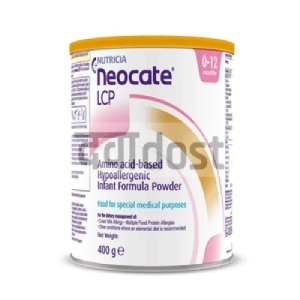
Neocate LCP Infant Formula Powder 400GM
Brand: Nutricia International Private Limited
₹3300.00₹3234.00
View Details
Web Stories


Popular Lab Test






Live Doctor consultation
Live Doctor Chat

Fees ₹99
General Physician

Dr. Syed Mukhtar Mohiuddin
MBBS, MD , Fellowship in Diabetes Mellitus (UK)
- 7 Years
- English
Available at 00:00 to 07:00
Fees ₹99
General Physician
Fees ₹99
General Physician
Fees ₹99
General Physician
Fees ₹99
General Physician
Download Our App & Get Consultation from anywhere.