- Published on: Oct 10, 2025
- 2 minute read
- By: Secondmedic Expert
Mental Health Issues In Indian Elderly: A Growing Concern Often Overlooked




India’s senior population is growing faster than ever before. By 2050, one in five Indians will be above 60 years of age - a remarkable demographic shift. But behind this silver lining lies a silent crisis: mental health among India’s elderly.
The Hidden Struggle Behind Aging
Old age brings wisdom, but also biological and emotional challenges. Retirement, loss of loved ones, financial dependency, or health decline can trigger mental distress. Yet, these issues often go unnoticed because families mistake them for “normal signs of aging.”
According to the National Mental Health Survey by NIMHANS, nearly 20% of India’s elderly experience mental health issues, especially depression and anxiety. In rural areas, the situation is worse due to lack of awareness and healthcare access.
Common Mental Health Problems in Indian Seniors
-
Depression - Often triggered by loneliness, bereavement, or chronic illnesses. Signs include low mood, hopelessness, loss of interest, or changes in appetite and sleep.
-
Dementia - A progressive decline in memory and cognition, often misinterpreted as forgetfulness. India has over 5 million dementia patients, projected to double by 2050.
-
Anxiety & Sleep Disorders - Worries about health, finances, or safety cause insomnia, irritability, or constant tension.
-
Substance Use - Some elderly turn to alcohol or sedatives to cope, worsening mental health.
-
Psychosomatic Disorders - Emotional pain often manifests physically - headaches, fatigue, or chronic pain without clear medical cause.
Cultural & Social Roots of the Crisis
India’s traditional joint family system once offered emotional security. But with urbanization and migration, many elders now live alone or in old-age homes. The HelpAge India (2024) survey found that 47% of elderly Indians feel neglected by their families, and 36% experience loneliness regularly.
Moreover, stigma remains strong - elders hesitate to discuss “mental illness” for fear of being labeled weak or burdensome.
Health System Challenges
Despite national programs like NPHCE, access to geriatric psychiatry or counseling is still limited. Less than 10% of primary healthcare centers have a trained mental health professional.
However, initiatives like Tele-MANAS (2023) - India’s national mental health helpline (14416) - are bridging the gap by providing free counseling and referral support through phone and telemedicine.
Steps Toward Better Elderly Mental Health
-
Regular Screening: Routine depression and cognitive checks during health visits.
-
Community Programs: Local NGOs, senior clubs, and faith groups can provide social support.
-
Family Awareness: Encourage open dialogue, empathy, and daily engagement.
-
Physical Activity: Even gentle yoga or morning walks improve mood and sleep.
-
Digital Inclusion: Teach seniors to use smartphones for connecting with family or online therapy platforms.
The Role of Platforms Like SecondMedic
SecondMedic integrates mental wellness and teleconsultation for senior citizens - offering easy video counseling, medication delivery, and home diagnostics. Elderly patients can book sessions without traveling long distances or waiting in clinics, ensuring comfort and privacy.
Conclusion
Mental health in India’s elderly isn’t just a medical issue - it’s a social one. Aging should bring peace, not isolation. Recognizing emotional distress, breaking stigma, and encouraging conversation can transform how we care for our elders.
A healthy heart and body mean little without a healthy mind. Let’s make sure our elders live with dignity, purpose, and connection.
Help your loved ones find care from the comfort of home - Book an online mental wellness consultation on SecondMedic today ? https://www.secondmedic.com
Real Data, Surveys & Links
-
National Mental Health Survey (NIMHANS, 2023): 15–20% elderly with mental disorders.
nimhans.ac.in -
HelpAge India Report 2024: 47% of elders feel neglected by families.
helpageindia.org -
National Programme for Health Care of the Elderly (NPHCE): Govt. initiative for senior health.
nhp.gov.in -
Tele-MANAS Helpline (MoHFW, 2023): 14416 - free national mental health line.
mohfw.gov.in
Dementia India Report (AIIMS & ARDSI, 2024): 5.3 million affected, projected to double by 2050.
ardsi.org
Read FAQs
A. The most common are depression, dementia, anxiety, sleep disorders, and late-life grief due to loss of social connection or partner.
A. Because symptoms like fatigue or forgetfulness are mistaken for normal aging. Stigma and lack of screening worsen underdiagnosis.
A. According to the National Mental Health Survey (NIMHANS), around 15–20% of Indians aged 60+ suffer from mental disorders, but less than 10% receive treatment.
A. Regular social interaction, emotional reassurance, involvement in daily decisions, and encouraging physical activity or counseling can help greatly.
A. Yes - programs like National Programme for Health Care of the Elderly (NPHCE) and Tele-MANAS helpline offer free or subsidized mental health support.


Vitamin D Deficiency Symptoms: Signs Your Body May Be Lacking Vitamin D
Vitamin D is an essential nutrient that plays a vital role in maintaining strong bones, supporting the immune system and regulating several important functions in the body. Despite its importance, vitamin D deficiency is one of the most common nutritional deficiencies worldwide.
In India, vitamin D deficiency has become increasingly prevalent due to lifestyle factors such as limited sunlight exposure, indoor working environments and dietary habits. According to the Indian Council of Medical Research (ICMR), a significant percentage of the population may have insufficient vitamin D levels.
Recognizing the symptoms of vitamin D deficiency early is important because prolonged deficiency can lead to serious health complications affecting bones, muscles and overall wellbeing.
What Is Vitamin D and Why Is It Important?
Vitamin D is often called the “sunshine vitamin” because the body produces it when the skin is exposed to sunlight. It plays a key role in calcium absorption, which is essential for maintaining healthy bones and teeth.
In addition to bone health, vitamin D supports several important functions including:
immune system regulation
muscle function
inflammation control
hormonal balance
Low levels of vitamin D can disrupt these functions and contribute to various health problems.
Common Symptoms of Vitamin D Deficiency
Vitamin D deficiency can manifest through several symptoms, many of which are often overlooked or mistaken for other health issues.
Persistent Fatigue
Constant tiredness or low energy levels may be one of the earliest signs of vitamin D deficiency. Even after adequate rest, individuals with low vitamin D levels may continue to feel exhausted.
Vitamin D plays a role in cellular energy production, and insufficient levels may contribute to chronic fatigue.
Bone and Back Pain
One of the most well-known effects of vitamin D deficiency is bone discomfort. Vitamin D helps the body absorb calcium, which is essential for maintaining bone strength.
Low vitamin D levels may cause:
bone pain
lower back pain
increased risk of fractures
Persistent bone discomfort should be evaluated by a healthcare professional.
Muscle Weakness
Vitamin D is important for muscle health and function. Deficiency can lead to muscle weakness, cramps or general muscle fatigue.
Older adults with vitamin D deficiency may also experience reduced mobility and increased risk of falls.
Frequent Illness or Infections
Vitamin D plays a key role in supporting the immune system. Individuals with low vitamin D levels may experience frequent colds, infections or slower recovery from illness.
Research suggests that adequate vitamin D levels help strengthen immune defenses against respiratory infections.
Mood Changes and Depression
Vitamin D may influence brain function and mood regulation. Some studies have found a connection between low vitamin D levels and mood disorders such as depression or anxiety.
People experiencing persistent mood changes should consider evaluating vitamin levels as part of a broader health assessment.
Hair Loss
Severe vitamin D deficiency may contribute to hair thinning or hair loss. While hair loss can have multiple causes, nutritional deficiencies including vitamin D deficiency may play a role.
Slow Wound Healing
Vitamin D contributes to the body’s inflammatory response and tissue repair processes. Individuals with deficiency may notice slower wound healing or delayed recovery from injuries.
Who Is at Risk of Vitamin D Deficiency?
Several factors can increase the risk of vitamin D deficiency.
Limited Sun Exposure
People who spend most of their time indoors or use strong sun protection regularly may not receive enough sunlight to produce sufficient vitamin D.
Urban lifestyles and indoor work environments contribute to this problem.
Older Adults
As people age, the skin becomes less efficient at producing vitamin D from sunlight. Older adults may therefore require additional dietary intake or supplements.
Individuals with Darker Skin
Melanin reduces the skin’s ability to produce vitamin D from sunlight. Individuals with darker skin tones may require longer sun exposure to produce adequate levels.
Poor Dietary Intake
Few foods naturally contain vitamin D. Diets lacking fortified foods, dairy products or fatty fish may contribute to deficiency.
Medical Conditions
Certain medical conditions such as kidney disease, liver disease or digestive disorders can affect vitamin D absorption and metabolism.
How Is Vitamin D Deficiency Diagnosed?
Vitamin D deficiency is diagnosed through a simple blood test that measures the level of 25-hydroxyvitamin D in the bloodstream.
Doctors may recommend testing for individuals who experience symptoms of deficiency or belong to high-risk groups.
Early diagnosis allows healthcare providers to recommend appropriate treatment and lifestyle adjustments.
How to Improve Vitamin D Levels
Sunlight Exposure
Regular sunlight exposure is one of the most effective ways to increase vitamin D levels. Experts generally recommend 10 to 30 minutes of sunlight exposure several times per week, depending on skin type and location.
Dietary Sources of Vitamin D
Although limited, certain foods contain vitamin D, including:
fatty fish such as salmon and mackerel
egg yolks
fortified milk and cereals
mushrooms
Including these foods in the diet can help maintain healthy vitamin D levels.
Vitamin D Supplements
In cases of significant deficiency, doctors may recommend vitamin D supplements. The dosage depends on the individual’s vitamin levels, age and health status.
It is important to take supplements under medical supervision to avoid excessive intake.
Preventing Vitamin D Deficiency
Maintaining adequate vitamin D levels requires a balanced combination of sunlight exposure, proper nutrition and regular health monitoring.
Routine health checkups and vitamin testing can help identify deficiencies early and prevent complications.
Adopting a healthy lifestyle with balanced nutrition and outdoor activity can significantly improve vitamin D status and overall health.
Conclusion
Vitamin D deficiency is a common but often overlooked health concern. Symptoms such as fatigue, bone pain, muscle weakness and frequent infections may indicate low vitamin D levels.
Early detection and proper management are essential to prevent long-term health complications. By ensuring adequate sunlight exposure, maintaining a balanced diet and undergoing regular health checkups, individuals can support healthy vitamin D levels and improve overall wellbeing.
Recognizing the warning signs of vitamin D deficiency and seeking timely medical advice can help protect long-term health and maintain optimal body function.
References
-
Indian Council of Medical Research (ICMR) – Nutritional Deficiency Reports
-
World Health Organization (WHO) – Micronutrient Deficiency Guidelines
-
National Institute of Nutrition (NIN) India – Vitamin D Research Reports
-
Lancet Public Health – Nutritional Health Studies
-
National Institutes of Health (NIH) – Vitamin D Fact Sheets for Health Professionals


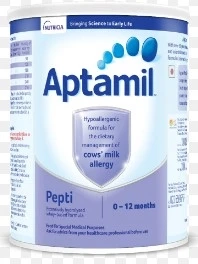
Aptamil Pepti Infant Formula 0 to 12 Months Tin 400gm
Brand: Nutricia International Private Limited
₹2000.00₹1960.00
View Details


Neocate LCP Infant Formula Powder 400GM
Brand: Nutricia International Private Limited
₹3300.00₹3234.00
View Details
Web Stories


Popular Lab Test






Live Doctor consultation
Live Doctor Chat

Fees ₹99
General Physician
Fees ₹99
General Physician
Fees ₹99
General Physician

Dr. Syed Mukhtar Mohiuddin
MBBS, MD , Fellowship in Diabetes Mellitus (UK)
- 7 Years
- English
Available at 00:00 to 07:00
Fees ₹99
General Physician
Fees ₹99
General Physician
Download Our App & Get Consultation from anywhere.