- Published on: Jan 14, 2026
- 3 minute read
- By: SecondMedic Expert
Monthly Healthy Community Meals At Health Hubs




Community-driven health initiatives are becoming an essential part of India’s preventive healthcare movement. While medical technology, AI diagnostics and digital screenings strengthen clinical care, lifestyle habits still remain the foundation of long-term wellness. One powerful but simple community practice gaining popularity is the Monthly Healthy Potluck at Health Hubs.
These potlucks promote healthier eating, strengthen social support systems, and bring people together to learn about nutrition and wellness in an enjoyable and accessible format. SecondMedic’s preventive health framework aligns perfectly with this model by integrating health education, nutrition insights and early-risk awareness into community activities.
This blog explores how monthly healthy potlucks are transforming health hubs across India and supporting preventive lifestyle habits at scale.
Why Community Wellness Matters in India
India is witnessing a steep rise in lifestyle-related illnesses.
According to the ICMR–NCD Burden Study:
• Over 100 million Indians live with diabetes
• Heart disease accounts for nearly 28% of all deaths
• Hypertension is becoming prevalent across younger age groups
Simultaneously, NFHS-5 data highlights increasing obesity, poor dietary diversity and rising sedentary behaviour. These challenges signal not just medical issues, but lifestyle gaps.
Community-based wellness initiatives provide the social support and collective learning required to bridge those gaps.
What Is a Monthly Healthy Potluck at Health Hubs?
A Monthly Healthy Potluck is a wellness event where:
• Participants bring nutritious homemade dishes
• Recipes focus on balance, low oil and whole ingredients
• Everyone eats together and shares food philosophy
• Health experts provide short preventive care sessions
• Participants learn simple, realistic lifestyle habits
This model transforms health hubs into interactive wellness environments instead of passive medical facilities.
Why Healthy Potlucks Work
1. They Make Healthy Eating Enjoyable
Healthy meals often feel restrictive when practiced alone. In a group setting, they become exciting because:
• People discover new recipes
• Participants try dishes they wouldn’t normally cook
• Food presentation inspires creativity
• Everyone learns portion control naturally
2. They Promote Social Accountability
When people cook, share and learn together, they form supportive communities that motivate consistent lifestyle changes.
3. They Strengthen Nutritional Awareness
Nutrition education becomes simpler when demonstrated through real food instead of lectures.
4. They Align with Preventive Healthcare
NITI Aayog’s Preventive Health & Wellness Report highlights behavioural change as a key driver of long-term health improvement. Potlucks encourage achievable, small lifestyle shifts.
Components of a Healthy Potluck at SecondMedic Health Hubs
1. Balanced Dish Contributions
Participants are encouraged to bring nutrient-dense dishes such as:
• Millet-based meals
• Vegetable-rich Indian curries
• Lean protein options
• Low-oil tiffin-style foods
• Fermented dishes
• Fruit bowls and salads
This ensures variety, balance and education through real examples.
2. Nutrition Spotlights
Health experts share quick insights on:
• Portion control
• Glycemic index
• Healthy cooking oils
• Hidden sugars
• Smart plate design
• Hydration science
These micro-education sessions empower participants to make better decisions at home.
3. Preventive Health Mini-Screenings
SecondMedic integrates:
• BMI checks
• Blood pressure assessments
• Sugar evaluations
• Quick fatigue and stress scoring
These screenings help individuals understand their health status while encouraging early intervention.
4. Recipe Exchange Corners
Participants document and exchange easy-to-cook healthy recipes. This fosters a culture of shared learning and innovation.
5. Wellness Activities
Events may include:
• 5-minute yoga routines
• Breathing exercises
• Mindfulness techniques
• Movement challenges
These fun micro-activities teach participants how to incorporate wellness effortlessly into daily routines.
How Healthy Potlucks Support India’s Preventive Health Movement
Encouraging Long-Term Dietary Shifts
When individuals repeatedly attend monthly events, their meal choices gradually transform. Consistency builds habits.
Reducing Fear Around Healthy Cooking
Seeing others prepare simple, tasty, low-oil dishes removes the stigma that healthy food is bland or difficult.
Strengthening Social Connectivity
Community bonds reduce stress, loneliness and isolation—factors known to weaken immunity and increase chronic disease risk.
Improving Health Literacy
Real-time demonstrations outperform written instructions. It becomes easier to understand nutrient density, fibre-rich meals and balanced plates when they are visually presented.
Supporting Digital Health Ecosystems
SecondMedic integrates event data into digital dashboards:
• Meal analysis
• Health scores
• Lifestyle tracking
• Preventive alerts
This combination of offline community activity and online tracking strengthens long-term adherence.
Example of a Healthy Potluck Spread
• Moong dal khichdi with vegetables
• Ragi roti with garlic chutney
• Grilled paneer salad
• Millet upma
• Fruit and nut platter
• Sprout chaat with lemon
• Buttermilk infused with mint
These items are affordable, accessible and easy to prepare—ideal for the Indian lifestyle.
Conclusion
Monthly Healthy Potlucks at Health Hubs offer a simple yet powerful model for promoting preventive healthcare in India. These events blend nutrition, social bonding, lifestyle learning and community-led motivation. They encourage individuals to adopt healthier habits without pressure, restriction or complexity.
With SecondMedic’s integrated preventive care framework, these potlucks become more than social gatherings—they become catalysts for building healthier communities, improving dietary behaviour and supporting long-term wellness.
References
• ICMR NCD Burden Study – Lifestyle & Dietary Risk Factors in India
• National Family Health Survey (NFHS-5), Ministry of Health & Family Welfare
• NITI Aayog – Preventive Health & Community Wellness Framework
• Lancet Public Health India – Impact of Community Nutrition Programs
• WHO Guidelines on Community Health Promotion
• Statista India Wellness & Healthy Eating Behaviour Report
• EY-FICCI Integrated Preventive Care Model for India
Read FAQs
A. It is a community gathering where participants bring nutritious homemade dishes, learn health tips, share recipes and engage in lifestyle-focused discussions.
A. Healthy potlucks promote balanced eating, food awareness, community bonding and preventive health practices in an enjoyable and accessible format.
A. Participants bring whole-grain meals, salads, lean proteins, low-oil Indian dishes, plant-based options and nutrient-dense snacks.
A. Yes. Potlucks at health hubs often include nutrition talks, activity demonstrations and preventive healthcare advice.
A. SecondMedic offers nutrition guidance, health screenings, diet assessments and AI-driven wellness tracking to enhance community wellness initiatives.


Kindness Week: Recognizing Employees Who Go the Extra Mile in the Workplace
In today’s fast-paced work environments, organizations increasingly recognize the importance of building supportive and positive workplace cultures. While productivity and performance remain essential, fostering kindness, collaboration and appreciation among employees can significantly improve workplace wellbeing.
One effective initiative that promotes these values is Kindness Week, a workplace program dedicated to recognizing employees who consistently go the extra mile to support colleagues and contribute positively to the organization.
Kindness Week celebrates the everyday acts of generosity, teamwork and empathy that help create healthier and more productive work environments.
What Is Kindness Week?
Kindness Week is a workplace recognition initiative designed to highlight and celebrate acts of kindness within an organization.
During this week, companies encourage employees to acknowledge colleagues who demonstrate:
-
Supportive teamwork
-
Positive communication
-
Helpful contributions
-
Acts of encouragement
By recognizing these behaviors, organizations reinforce the importance of compassion and collaboration in the workplace.
Why Workplace Kindness Matters
Kindness may seem like a simple concept, but it plays a powerful role in shaping workplace culture.
Positive interactions among employees contribute to:
-
Higher job satisfaction
-
Improved teamwork
-
Reduced workplace stress
-
Stronger organizational relationships
When employees feel valued and appreciated, they are more likely to remain motivated and engaged.
Benefits of Recognizing Employees Who Go the Extra Mile
1. Increased Employee Engagement
Recognition programs help employees feel that their efforts are noticed and appreciated.
This encourages continued dedication and participation.
2. Stronger Team Collaboration
Kindness initiatives promote mutual respect and cooperation among team members.
This strengthens workplace relationships and improves communication.
3. Improved Workplace Morale
Acknowledging positive actions creates a supportive and uplifting environment.
Employees are more likely to feel satisfied and motivated in such workplaces.
4. Reduced Workplace Stress
Positive workplace interactions can reduce stress and improve mental wellbeing.
Employees who feel supported are better equipped to handle challenges.
5. Enhanced Organizational Culture
Organizations that prioritize kindness often develop stronger, more resilient cultures.
These environments attract and retain talented professionals.
Ways to Celebrate Kindness Week
Organizations can implement various activities to encourage participation and recognition.
Recognition Boards
Create a physical or digital board where employees can post appreciation messages for colleagues.
Peer Appreciation Awards
Employees can nominate coworkers who have demonstrated exceptional kindness or teamwork.
Recognition awards may be presented during team meetings.
Kindness Challenges
Encourage employees to perform small acts of kindness such as helping a colleague or expressing gratitude.
Team Appreciation Events
Workshops, group activities or informal gatherings can strengthen team connections.
Leadership Recognition
Managers can highlight employees who have made meaningful contributions to team success.
Encouraging Everyday Kindness
Kindness Week should not be limited to a single event.
Organizations can encourage ongoing kindness through simple daily practices such as:
-
Expressing gratitude
-
Supporting colleagues during busy periods
-
Offering constructive feedback respectfully
-
Celebrating team achievements
These actions help maintain positive workplace culture throughout the year.
Kindness and Employee Wellbeing
Workplace kindness directly influences employee mental health and wellbeing.
Positive environments reduce feelings of isolation and improve emotional resilience.
Employees who feel supported are more likely to maintain work-life balance and job satisfaction.
Kindness in the Modern Workplace
As organizations adopt hybrid and remote work models, maintaining strong team connections becomes increasingly important.
Kindness initiatives help bridge communication gaps and foster a sense of community among employees working in different locations.
Digital recognition tools and virtual appreciation activities can support these efforts.
Role of Leadership in Promoting Kindness
Leaders play a crucial role in shaping workplace culture.
By demonstrating empathy, appreciation and respect, leaders set the tone for organizational behavior.
Employees are more likely to emulate positive behaviors when they see them modeled by leadership.
Building a Culture of Appreciation
A culture of appreciation involves consistently recognizing employees for their contributions.
This includes both formal recognition programs and informal expressions of gratitude.
Organizations that value appreciation often experience higher levels of employee satisfaction and loyalty.
Conclusion
Kindness Week is a meaningful initiative that celebrates employees who go the extra mile to support their colleagues and contribute to a positive workplace environment. By recognizing acts of kindness and teamwork, organizations reinforce the importance of compassion and collaboration.
Creating a culture that values kindness not only improves workplace morale but also enhances productivity, engagement and overall employee wellbeing.
Simple acts of recognition can have a powerful impact on workplace relationships and organizational success.
Encouraging kindness in the workplace is an investment in both employee happiness and long-term business growth.
References
- Harvard Business Review – Workplace Culture Research
- Society for Human Resource Management (SHRM) – Employee Recognition Studies
- World Health Organization – Workplace Mental Health Guidelines
- Gallup Workplace Research – Employee Engagement Reports
- Journal of Organizational Behavior – Workplace Wellbeing Studies



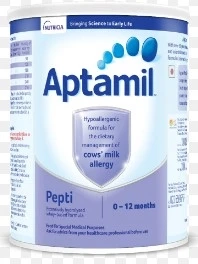
Aptamil Pepti Infant Formula 0 to 12 Months Tin 400gm
Brand: Nutricia International Private Limited
₹2000.00₹1960.00
View Details


Neocate LCP Infant Formula Powder 400GM
Brand: Nutricia International Private Limited
₹3300.00₹3234.00
View Details
Web Stories


Popular Lab Test





Live Doctor consultation
Live Doctor Chat

Fees ₹99
General Physician
Fees ₹99
General Physician
Fees ₹99
General Physician

Dr. Syed Mukhtar Mohiuddin
MBBS, MD , Fellowship in Diabetes Mellitus (UK)
- 7 Years
- English
Available at 00:00 to 07:00
Fees ₹99
General Physician
Fees ₹99
General Physician
Download Our App & Get Consultation from anywhere.