- Published on: Mar 27, 2023
- 4 minute read
- By: SECONDMEDIC EXPERT
Preventing H3N2 Infection: Tips For Staying Healthy And Protected




Influenza virus, commonly known as the flu, is a contagious respiratory illness caused by viruses. It spreads from person to person via droplets from coughing or sneezing and can cause mild to severe symptoms. One of the most common forms of influenza is the H3N2 virus, which has been responsible for several outbreaks in recent years. Fortunately, there are steps you can take to reduce your risk of contracting H3N2—read on to learn more!
What is H3N2?
H3N2 is a subtype of the Influenza A virus that mainly affects birds, but can also cause respiratory illness in humans and other mammals. It's one of the two common strains of influenza viruses circulating around the world today.
H3N2 first emerged in 1968 when it replaced H2N2 as a major strain of Influenza A, and has gone through several significant genetic changes since then to adapt to new hosts. As a result, it is now highly infectious and can spread rapidly throughout populations. The most recent human outbreak took place between 2013-2016, with over 3 million cases being reported worldwide during that time period.
Unfortunately, due to its rapid mutation rate, seasonal flu vaccines are not very effective at preventing illnesses caused by H3N2 viruses unless they are perfectly matched to them. This means that people must still take preventative measures such as washing their hands regularly and avoiding contact with those who may be infected in order to stay healthy during flu season.
How does H3N2 spread?
H3N2 is a type of influenza, commonly known as the "seasonal flu" due to its spread during colder seasons. This virus is highly contagious and can be spread from person to person by respiratory droplets – when an infected individual sneezes, coughs, or exhales near another individual. When these droplets come into contact with another person’s mouth, nose, or eyes the virus can be passed on.
In addition to direct contact between people, H3N2 can also be transferred indirectly via contaminated objects (such as doorknobs) that have been recently exposed to saliva or other bodily fluids from someone who has the virus. As such it’s important to practice good hygiene and sanitize frequently touched surfaces in order to prevent the transmission of H3N2.
While certain medications and vaccines are available that offer protection against some strains of H3N2, it is always recommended that you take proper measures like wearing a face mask when around those who are ill and washing your hands regularly in order minimize risk of infection by this seasonal flu strain.
Tips for preventing H3N2 infection
Preventing H3N2 infection is an important step for protecting yourself and your family from influenza. Here are a few tips you can use to help stop the spread of this virus:
1.Wash Your Hands Often: This is one of the most effective ways to prevent the spread of any virus, including H3N2. Make sure to wash your hands with soap and water for at least 20 seconds, scrubbing all surfaces, using clean towels if necessary after each visit to public places.
2.Practice Good Respiratory Hygiene: Always cover your mouth and nose with a tissue or bent elbow when sneezing or coughing in order to limit the spread of germs in droplets in the air or on people’s clothes/hands/surfaces around you. Dispose of used tissues immediately into a closed bin and then wash your hands afterwards with soap and water (or sanitize them).
3.Keep Distance From People Who Are Sick And Avoid Crowded Areas: Social distancing is essential when it comes to preventing infections - make sure that you keep 2 meters away from people who have respiratory symptoms such as coughs, sneezes or fever; it’s also important not going out too much (especially during peak seasons) and staying away from overcrowded areas where viruses may be easily transmitted through contact between individuals like public transportations, large gatherings etc..
4.Wear A Mask In Public Places & When In Contact With Sick People: Masks are recommended especially for those who have known exposure risk – like health care workers dealing with infectious diseases - but also for everyone else that enters spaces where infected individuals might be present; masks should fit properly without leaving gaps between face and mask edges which could allow air particles containing bacteria/viruses into our respiratory tracts! So always make sure they do their job correctly before putting them on! Lastly remember that masks cannot replace social distancing measures so wearing a mask doesn’t mean you can get close enough physically now… :)
Treatment for H3N2
The treatment for H3N2 is mainly supportive care and symptom relief. Antiviral medications, such as oseltamivir (brand name Tamiflu), can be used in some cases to reduce the severity of symptoms and duration of illness. However, it’s important to note that antiviral medications are only effective if prescribed early in the course of infection—within 48 hours after onset—and may not work at all if given too late. For this reason, it’s best to consult a doctor at the first sign of symptoms so they can recommend a course of action based on individual circumstances and current medical evidence.
In addition to antiviral medications, doctors may also suggest over-the-counter or prescription medications for symptom relief such as antihistamines for nasal irritation; decongestants for sinus pressure; pain relievers like ibuprofen or acetaminophen; cough suppressants or expectorant medicines depending on whether your cough is productive or nonproductive; antibiotics if there is a secondary bacterial infection present; bronchodilators if there’s wheezing due to asthma flare-ups triggered by H3N2 infections; and inhaled corticosteroids as required.
Finally, rest and fluids are key components of recovery from an H3N2 infection. Get plenty of rest away from others who might be infected, drink lots of water throughout the day (avoid caffeinated drinks which act as diuretics), eat nutritious meals when possible even though appetite might be lost due to fever or congestion—these simple measures will help speed recovery!
Get Vaccinated
The first and most important step you can take to protect yourself against H3N2 (and other types of flu) is to get vaccinated. The CDC recommends that everyone over 6 months old should receive a flu vaccine every year. The vaccine helps your body build up immunity against the virus and can decrease symptoms if you do get sick. Getting vaccinated also protects those around you who may be at greater risk, such as pregnant women and people with weakened immune systems.
Practice Good Hygiene Habits
Good hygiene habits are essential for preventing the spread of all kinds of infectious diseases, including H3N2. Wash your hands often with soap and water or an alcohol-based hand sanitizer, avoid touching your eyes, nose or mouth, cover your nose and mouth when sneezing or coughing and stay away from sick people if possible. Additionally, it’s important to make sure that surfaces such as doorknobs, countertops and kitchen surfaces are kept clean by wiping them down with a disinfectant regularly.
Take Care of Your Health
One of the best ways to prevent getting sick is by taking care of your health in general. Get plenty of restful sleep each night (at least 7-8 hours), eat nutritious meals that include lots of fruits and vegetables and exercise regularly to keep your immune system strong. Additionally, try reducing stress levels with yoga or other relaxation techniques as high levels of stress have been linked with decreased immunity.
Keeping yourself healthy during flu season isn’t always easy—but it is possible! By following these tips—getting vaccinated, practicing good hygiene habits and taking care of your health—you can reduce your risk for contracting H3N2 infection this year. Remember that even if you do get sick it’s important to stay home from work or school until you feel better so that you don’t spread the virus further! By taking these precautions now you can help protect yourself throughout flu season this year!


Why Preventive Healthcare Is More Important Than Treatment: A Smarter Approach to Health
Healthcare systems worldwide are shifting focus from reactive treatment to proactive prevention. While medical treatments have advanced significantly, preventing disease before it develops remains the most effective strategy for long-term health.
Understanding why preventive healthcare is more important than treatment empowers individuals to take control of their wellbeing and reduce future health risks.
What Is Preventive Healthcare?
Preventive healthcare involves measures taken to avoid disease rather than treating it after symptoms appear.
It includes:
-
Routine health checkups
-
Vaccinations
-
Blood pressure monitoring
-
Diabetes screening
-
Cancer screening
-
Healthy lifestyle habits
The goal is early detection and risk reduction.
1. Early Detection Saves Lives
Many serious conditions develop silently, including:
-
Diabetes
-
Hypertension
-
Heart disease
-
Cancer
Regular screening identifies these conditions at an early stage when treatment is more effective and less invasive.
2. Reduces Healthcare Costs
Treating advanced diseases often involves:
-
Hospitalization
-
Surgery
-
Long-term medication
-
Intensive care
Preventive care reduces these costs by identifying risks early and managing them promptly.
3. Improves Quality of Life
Prevention focuses on maintaining optimal health.
Healthy individuals experience:
-
Higher energy levels
-
Better productivity
-
Improved mental wellbeing
-
Reduced stress
Staying healthy enhances overall life satisfaction.
4. Prevents Chronic Diseases
Lifestyle diseases such as obesity, diabetes and cardiovascular disorders are largely preventable.
Preventive measures include:
-
Balanced nutrition
-
Regular exercise
-
Smoking cessation
-
Stress management
These habits significantly lower disease risk.
5. Reduces Complications
Early management prevents complications such as:
-
Kidney damage from diabetes
-
Stroke from uncontrolled hypertension
-
Heart attacks due to high cholesterol
Preventive healthcare minimizes disease progression.
6. Encourages Health Awareness
Routine checkups increase awareness about:
-
Body weight
-
Blood sugar levels
-
Cholesterol
-
Nutritional deficiencies
Awareness motivates positive lifestyle changes.
Preventive Healthcare in the Indian Context
India faces rising rates of lifestyle diseases.
Urbanization, sedentary jobs and dietary changes have increased non-communicable diseases.
Preventive healthcare initiatives such as annual health screenings and awareness programs are critical to reducing the national disease burden.
Key Components of Preventive Care
Regular Health Screenings
-
Blood pressure checks
-
Blood sugar tests
-
Lipid profile
-
Thyroid tests
Vaccinations
-
Influenza
-
Hepatitis
-
COVID-19
-
Tetanus
Vaccines prevent infectious diseases.
Lifestyle Modification
-
Healthy diet
-
Daily exercise
-
Adequate sleep
-
Stress reduction
These form the foundation of prevention.
Treatment vs Prevention: A Comparison
Prevention |
Treatment |
Focuses on avoiding disease |
Focuses on managing disease |
Lower cost |
Higher cost |
Less invasive |
Often invasive |
Long-term benefits |
May involve side effects |
Prevention reduces risk before complications arise.
When Should Preventive Care Begin?
Preventive healthcare is important at every stage of life.
Adults above 30 years should undergo annual health checkups, especially if they have:
-
Family history of chronic disease
-
Sedentary lifestyle
-
Obesity
-
Smoking habits
Early intervention makes a measurable difference.
Overcoming Barriers to Prevention
Common challenges include:
-
Lack of time
-
Fear of diagnosis
-
Financial concerns
Solutions involve:
-
Corporate health programs
-
Insurance coverage for screenings
-
Digital health platforms
Encouraging routine checkups improves participation.
The Long-Term Impact of Prevention
Consistent preventive care leads to:
-
Increased life expectancy
-
Reduced healthcare burden
-
Improved economic productivity
-
Healthier communities
Healthy populations contribute to national growth.
Conclusion
Preventive healthcare is more important than treatment because it addresses health risks before they escalate into serious conditions. Early detection, regular screenings and healthy lifestyle habits reduce disease burden, save costs and improve quality of life.
While treatment remains essential when illness occurs, prevention offers a smarter and more sustainable approach to long-term wellbeing.
Taking proactive steps today can protect your health for years to come. Prevention is not just a medical strategy — it is a commitment to a healthier future.
References
-
Indian Council of Medical Research – Preventive Health Reports
-
World Health Organization – Preventive Healthcare Guidelines
-
National Family Health Survey – Lifestyle Disease Data
-
NITI Aayog – Health Strategy Reports
-
Lancet Global Health – Preventive Medicine Research


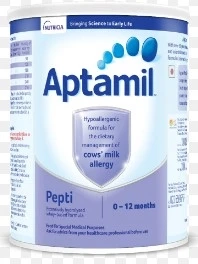
Aptamil Pepti Infant Formula 0 to 12 Months Tin 400gm
Brand: Nutricia International Private Limited
₹2000.00₹1960.00
View Details

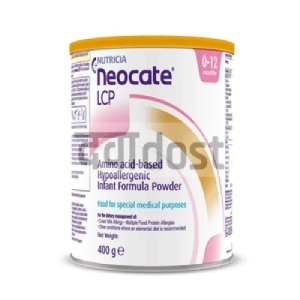
Neocate LCP Infant Formula Powder 400GM
Brand: Nutricia International Private Limited
₹3300.00₹3234.00
View Details
Web Stories


Popular Lab Test






Live Doctor consultation
Live Doctor Chat

Fees ₹99
General Physician
Fees ₹99
General Physician

Dr. Syed Mukhtar Mohiuddin
MBBS, MD , Fellowship in Diabetes Mellitus (UK)
- 7 Years
- English
Available at 00:00 to 07:00
Fees ₹99
General Physician
Fees ₹99
General Physician
Fees ₹99
General Physician
Download Our App & Get Consultation from anywhere.