- Published on: Sep 27, 2023
- 2 minute read
- By: Secondmedic Expert
Stress At Work And Mental Health: Uncovering The Connection




Introduction
In today's fast-paced world, the intersection of workplace stress and mental health is a critical issue that affects many of us. This article delves into this relationship, offering insights and actionable tips to help you manage workplace stress effectively. Let's explore how the demands of the modern workplace can impact your mental well-being and provide strategies to address these challenges.
Understanding the Impact of Workplace Stress
The Daily Grind: An Unrelenting Strain
Modern work environments often demand long hours and adherence to tight deadlines. This relentless pace can create a constant sense of pressure, leading to stress, anxiety, and even burnout. It's crucial to recognize the signs of workplace stress early to prevent it from becoming overwhelming.
Commute Blues: A Hidden Stressor
The daily commute is a reality for many, and it can significantly contribute to your overall stress levels. Whether you're stuck in traffic or crammed into a crowded train, the commute can drain your energy and set a stressful tone for the day.
Navigating Office Dynamics
Workplaces aren't always serene sanctuaries. Office politics, conflicts with colleagues or superiors, and the pressure to perform can add an emotional burden to your work life. These factors can exacerbate stress and negatively impact your mental health.
The Toll on Your Mental Health
Anxiety and Depression: Silent Struggles
Prolonged exposure to workplace stress can lead to anxiety and depression. The incessant pressure and demands can make you feel overwhelmed, trapped, and emotionally drained. Recognizing these mental health challenges is essential for seeking timely help and support.
Physical Health Consequences
Stress doesn't only affect your mind; it can manifest in various physical health issues. From persistent headaches and sleep disturbances to more severe conditions like heart disease and weakened immune systems, the toll on your body is real.
Coping Mechanisms Gone Awry
Unfortunately, some individuals resort to unhealthy coping mechanisms such as substance abuse as a way to deal with work-related stress. These behaviors can compound mental health issues and lead to addiction.
Strategies for Coping with Workplace Stress
Breaking It Down: Prioritization
When faced with an overwhelming workload, break tasks into smaller, manageable components. Prioritize these tasks, tackle them one by one, and take a moment to celebrate your achievements. This approach can help you regain a sense of control.
Embrace Regular Breaks
Don't underestimate the importance of breaks during your workday. Coffee breaks, short walks, or simply stepping away from your desk can recharge your mental batteries and boost productivity.
Establishing Boundaries
In the age of smartphones and constant connectivity, setting clear boundaries between work and personal life is crucial. Inform your employer and colleagues about your limits, ensuring that work-related matters do not encroach on your personal time.
Seek Support and Communicate
Bottling up stress is counterproductive. Reach out to friends, family, or a professional therapist to discuss your challenges. Engaging in open and honest conversations can provide relief and offer valuable perspectives.
The Role of Employers in Promoting Mental Well-being
Embracing Flexibility
Employers can contribute significantly to their employees' mental health by offering flexible work arrangements. Options such as remote work or flexible hours can empower individuals to better manage their stress.
Employee Assistance Programs (EAPs)
Many companies provide Employee Assistance Programs (EAPs) that grant access to counseling and mental health resources. Employees should be encouraged to utilize these valuable services when needed.
Cultivating Work-Life Balance
Fostering a workplace culture that prioritizes work-life balance is essential. Encouraging employees to take their allotted vacation time, promoting stress management techniques, and offering wellness programs can create a healthier and more productive work environment.
In Conclusion
In a world where a substantial portion of our lives is devoted to work, understanding the connection between workplace stress and mental health is vital. Ignoring this relationship can lead to severe consequences for both individuals and organizations. It is essential to take proactive steps to manage workplace stress and prioritize mental well-being.
Remember that seeking help and making necessary changes in your work life is a sign of strength, not weakness. Your mental health is a precious asset, and by taking action, you can regain control, achieve a healthier work-life balance, and ultimately lead a more fulfilling and stress-free life. Here's to your mental well-being and a brighter, more resilient future.
Read FAQs
A. Common signs of workplace stress include persistent fatigue, increased irritability, difficulty concentrating, changes in sleep patterns, and physical symptoms like headaches or stomachaches. If you notice these signs, it's essential to address them to prevent more severe mental health issues.
A. To achieve a healthier work-life balance, start by setting clear boundaries between work and personal life. Prioritize self-care, take regular breaks, and utilize your vacation time. Communicate your limits to your employer and consider flexible work arrangements if available.
A. If you suspect you're experiencing workplace stress-related anxiety or depression, seek professional help. Reach out to a therapist or counselor who specializes in mental health. Don't hesitate to talk to friends and family for support as well.

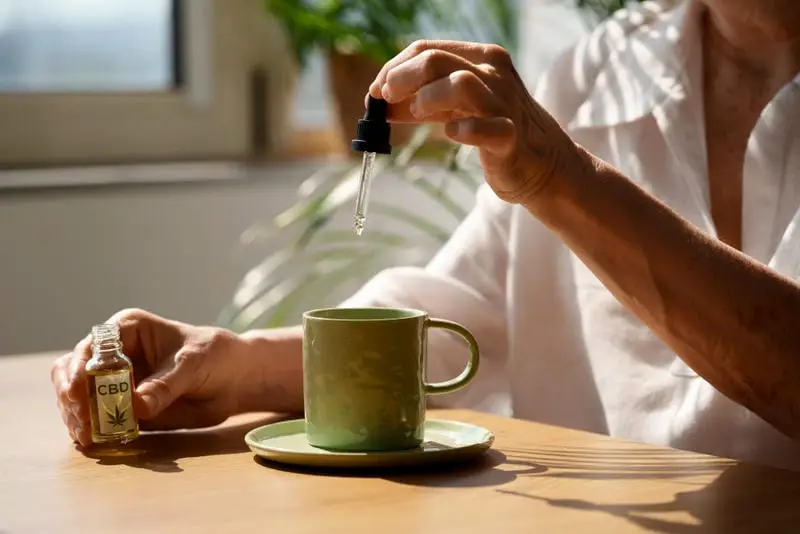
Best Essential Oils for Stress and Anxiety Relief for Busy Professionals
Modern professional life is demanding. Long working hours, constant deadlines, digital overload and work-life imbalance contribute significantly to stress and anxiety. In India, urban professionals increasingly report burnout, sleep disturbances and emotional fatigue.
While medical care and counselling remain essential for persistent anxiety disorders, natural complementary approaches such as aromatherapy can provide supportive relief. Essential oils offer a convenient, non-invasive way to manage daily stress.
How Essential Oils Help Reduce Stress
Essential oils are concentrated plant extracts containing aromatic compounds. When inhaled, these compounds stimulate the limbic system, the brain region responsible for emotions and stress response.
Potential benefits include:
-
Promoting relaxation
-
Reducing mild anxiety
-
Improving sleep quality
-
Enhancing mood
-
Supporting mental clarity
They are not substitutes for medical treatment but may complement stress management strategies.
1. Lavender Oil – The Most Trusted Calming Oil
Lavender oil is the most researched essential oil for stress and anxiety relief.
Benefits:
-
Reduces nervous tension
-
Improves sleep
-
Eases mild anxiety
-
Promotes emotional calm
Busy professionals experiencing insomnia or racing thoughts may benefit from diffusing lavender oil before bedtime.
2. Chamomile Oil – Gentle Emotional Relaxation
Chamomile oil is widely used for soothing the nervous system.
It may help:
-
Reduce irritability
-
Ease emotional stress
-
Improve sleep
-
Promote relaxation after work
It is ideal for evening relaxation routines.
3. Peppermint Oil – Mental Clarity and Focus
Peppermint oil is energizing and refreshing.
Potential benefits:
-
Improves alertness
-
Reduces fatigue
-
Enhances concentration
-
Relieves tension headaches
It is particularly useful during long working hours or mid-day slumps.
4. Bergamot Oil – Natural Mood Booster
Bergamot oil offers both uplifting and calming effects.
It may:
-
Lower stress hormone levels
-
Improve mood
-
Reduce tension
-
Support emotional balance
Using bergamot in a workspace diffuser may create a calm working environment.
5. Ylang-Ylang Oil – Calms Physical Stress
Ylang-ylang oil may help regulate stress-related physical symptoms.
Benefits include:
-
Reducing heart rate
-
Lowering mild blood pressure
-
Promoting relaxation
-
Supporting emotional balance
It is helpful during periods of intense pressure.
6. Frankincense Oil – Supports Mindfulness
Frankincense is commonly used in meditation practices.
It may help:
-
Slow breathing
-
Enhance focus
-
Reduce anxiety
-
Promote grounding
Professionals practicing meditation may incorporate frankincense into breathing exercises.
Practical Ways to Use Essential Oils
Busy professionals can easily integrate aromatherapy into daily routines:
Diffuser Use
Add 3–5 drops in a diffuser during work or relaxation time.
Roll-On Application
Apply diluted oil to pulse points for quick relief.
Steam Inhalation
Inhale steam infused with essential oils for relaxation.
Bath Therapy
Add a few diluted drops to warm bath water after work.
Safety Guidelines
-
Always dilute essential oils with carrier oils before topical use.
-
Avoid applying directly to sensitive skin.
-
Consult a healthcare provider if pregnant or managing medical conditions.
-
Essential oils should not replace prescribed anxiety medications.
Supporting Lifestyle Habits
Aromatherapy works best when combined with:
-
Regular physical activity
-
Adequate sleep
-
Balanced nutrition
-
Deep breathing exercises
-
Mindfulness meditation
Chronic stress requires comprehensive care.
When to Seek Medical Help
Consult a healthcare professional if you experience:
-
Persistent panic attacks
-
Severe insomnia
-
Heart palpitations
-
Difficulty functioning at work
-
Continuous sadness or hopelessness
Early intervention improves outcomes.
Stress and Mental Health in India
Urban work culture, digital demands and competitive environments contribute to rising anxiety levels among Indian professionals. Preventive mental health strategies, including natural therapies and professional support, are essential in maintaining wellbeing.
Conclusion
Essential oils such as lavender, chamomile, peppermint, bergamot and frankincense may offer natural support for stress and anxiety relief. For busy professionals, these oils provide convenient tools to promote relaxation, improve focus and enhance sleep quality.
However, persistent anxiety symptoms require professional medical evaluation. A balanced approach that combines natural remedies, healthy lifestyle habits and timely medical guidance ensures long-term mental wellbeing.
References
- World Health Organization – Workplace Mental Health Reports
- Indian Journal of Psychiatry – Anxiety Prevalence Studies
- National Mental Health Survey India
- Journal of Alternative and Complementary Medicine – Aromatherapy Research
- National Institute of Mental Health – Anxiety Guidelines



Aptamil Pepti Infant Formula 0 to 12 Months Tin 400gm
Brand: Nutricia International Private Limited
₹2000.00₹1960.00
View Details

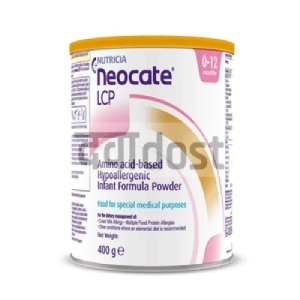
Neocate LCP Infant Formula Powder 400GM
Brand: Nutricia International Private Limited
₹3300.00₹3234.00
View Details
Web Stories


Popular Lab Test






Live Doctor consultation
Live Doctor Chat

Fees ₹99
General Physician
Fees ₹99
General Physician
Fees ₹99
General Physician

Dr. Syed Mukhtar Mohiuddin
MBBS, MD , Fellowship in Diabetes Mellitus (UK)
- 7 Years
- English
Available at 00:00 to 07:00
Fees ₹99
General Physician
Fees ₹99
General Physician
Download Our App & Get Consultation from anywhere.