- Published on: Aug 11, 2023
- 2 minute read
- By: Secondmedic Expert
The Golden Goodness: Exploring The Nutritional And Health Benefits Of Apricots




In the realm of healthy foods and weight loss diets, few gems stand out quite like apricots. These vibrant and succulent fruits not only tantalize your taste buds but also offer a wealth of nutritional and health benefits that contribute to a healthy lifestyle. Whether you're on a weight loss journey, practicing mindful eating, or simply seeking to incorporate more nutrient-packed foods into your diet, apricots are a delicious addition you won't want to overlook.
The Nutritional Powerhouse:
Apricots, with their warm golden hues, are a visual representation of their nutritional richness. These fruits are bursting with essential vitamins, minerals, and dietary fiber, making them a valuable component of a health-focused diet.
1. A Bounty of Vitamins: Apricots are a splendid source of vitamin A, an antioxidant essential for maintaining healthy vision, skin, and immune function. This vitamin is particularly significant for promoting eye health and preventing vision-related issues.
2. Fiber for Digestive Health: The dietary fiber content in apricots aids in digestion and helps maintain a healthy gut. A diet rich in fiber is known to prevent constipation and support regular bowel movements, contributing to overall digestive well-being.
3. A Nutrient-Rich Package: Apricots also contain vitamins C and E, both of which possess antioxidant properties that protect cells from damage caused by free radicals. These vitamins play a role in skin health, immune function, and overall vitality.
Apricots in Weight Loss Diets:
For those on a weight loss journey, apricots offer a natural and sweet way to curb cravings and stay on track with a dieting food plan. Their relatively low calorie content combined with dietary fiber helps create a sense of fullness, preventing overeating. Snacking on apricots can provide a satisfying indulgence without derailing your healthy eating goals.
1. Satisfying Sweetness: Apricots provide a natural sweetness that can satisfy sugar cravings while still being a part of a low-calorie, healthy food menu. Reaching for apricots as a snack or dessert option can help you make mindful choices while enjoying the delectable flavors.
2. Nutrient Density for Satiation: The nutrient density of apricots ensures that you're not just consuming empty calories. This means you can enjoy a greater volume of food while still managing your calorie intake, a fundamental principle of successful weight loss diets.
Health Benefits Beyond the Plate:
Beyond their nutritional value, apricots have been associated with various health benefits that contribute to a holistic approach to well-being.
1. Skin Nourishment: Vitamins A and E in apricots play a role in maintaining healthy skin. These antioxidants help protect your skin from environmental stressors, keeping it glowing and radiant.
2. Heart Health: Potassium, present in apricots, supports heart health by aiding in maintaining healthy blood pressure levels. Additionally, the fiber content contributes to managing cholesterol levels.
3. Bone Support: Apricots contain minerals like calcium and phosphorus, which are vital for maintaining strong and healthy bones.
Incorporating Apricots into a Healthy Lifestyle:
Adding apricots to your diet is as delightful as it is beneficial. Here are some ways to make the most of apricot benefits:
1. Fresh Enjoyment: Enjoy apricots as a refreshing and nutritious snack on their own. Their juicy texture and natural sweetness make them a satisfying choice for a quick pick-me-up.
2. Culinary Creations: Incorporate apricots into your culinary creations. Add them to salads, yogurt, or oatmeal for an extra burst of flavor and nutrition.
3. Dried and Delicious: Dried apricots are a convenient option when fresh ones are not available. However, be mindful of portion sizes as dried apricots are more calorie-dense.
4. Smoothie Magic: Blend apricots into your smoothies for a touch of natural sweetness and a boost of vitamins and fiber.
Conclusion:
A Juicy Wellness Ally
As you journey toward a healthier lifestyle, remember that incorporating nutrient-rich foods like apricots can be both enjoyable and rewarding. These golden gems offer a bounty of vitamins, minerals, and fiber that contribute to overall well-being. From supporting weight loss diets to promoting heart health and glowing skin, apricots stand as a testament to the power of healthy food benefits. So, savor the succulence of apricots and relish the journey to a healthier you.
Read FAQs
A. Apricots are a rich source of essential nutrients, including vitamins A and C, potassium, dietary fiber, and antioxidants. These nutrients contribute to overall health and can provide various benefits.
A. Apricots are packed with vitamin A and antioxidants, which are known for supporting skin health. Vitamin A helps maintain healthy skin cells and supports the natural repair process. Antioxidants combat free radicals that can cause premature aging and skin damage.
A. Yes, apricots contain dietary fiber, which aids digestion by promoting regular bowel movements and preventing constipation. Fiber also supports a healthy gut environment.
A. Dried apricots are concentrated in nutrients and calories due to the removal of water. While they retain most vitamins and minerals, their calorie content is higher. Be mindful of portion sizes to avoid excessive calorie intake.


Vitamin D Deficiency Symptoms: Signs Your Body May Be Lacking Vitamin D
Vitamin D is an essential nutrient that plays a vital role in maintaining strong bones, supporting the immune system and regulating several important functions in the body. Despite its importance, vitamin D deficiency is one of the most common nutritional deficiencies worldwide.
In India, vitamin D deficiency has become increasingly prevalent due to lifestyle factors such as limited sunlight exposure, indoor working environments and dietary habits. According to the Indian Council of Medical Research (ICMR), a significant percentage of the population may have insufficient vitamin D levels.
Recognizing the symptoms of vitamin D deficiency early is important because prolonged deficiency can lead to serious health complications affecting bones, muscles and overall wellbeing.
What Is Vitamin D and Why Is It Important?
Vitamin D is often called the “sunshine vitamin” because the body produces it when the skin is exposed to sunlight. It plays a key role in calcium absorption, which is essential for maintaining healthy bones and teeth.
In addition to bone health, vitamin D supports several important functions including:
immune system regulation
muscle function
inflammation control
hormonal balance
Low levels of vitamin D can disrupt these functions and contribute to various health problems.
Common Symptoms of Vitamin D Deficiency
Vitamin D deficiency can manifest through several symptoms, many of which are often overlooked or mistaken for other health issues.
Persistent Fatigue
Constant tiredness or low energy levels may be one of the earliest signs of vitamin D deficiency. Even after adequate rest, individuals with low vitamin D levels may continue to feel exhausted.
Vitamin D plays a role in cellular energy production, and insufficient levels may contribute to chronic fatigue.
Bone and Back Pain
One of the most well-known effects of vitamin D deficiency is bone discomfort. Vitamin D helps the body absorb calcium, which is essential for maintaining bone strength.
Low vitamin D levels may cause:
bone pain
lower back pain
increased risk of fractures
Persistent bone discomfort should be evaluated by a healthcare professional.
Muscle Weakness
Vitamin D is important for muscle health and function. Deficiency can lead to muscle weakness, cramps or general muscle fatigue.
Older adults with vitamin D deficiency may also experience reduced mobility and increased risk of falls.
Frequent Illness or Infections
Vitamin D plays a key role in supporting the immune system. Individuals with low vitamin D levels may experience frequent colds, infections or slower recovery from illness.
Research suggests that adequate vitamin D levels help strengthen immune defenses against respiratory infections.
Mood Changes and Depression
Vitamin D may influence brain function and mood regulation. Some studies have found a connection between low vitamin D levels and mood disorders such as depression or anxiety.
People experiencing persistent mood changes should consider evaluating vitamin levels as part of a broader health assessment.
Hair Loss
Severe vitamin D deficiency may contribute to hair thinning or hair loss. While hair loss can have multiple causes, nutritional deficiencies including vitamin D deficiency may play a role.
Slow Wound Healing
Vitamin D contributes to the body’s inflammatory response and tissue repair processes. Individuals with deficiency may notice slower wound healing or delayed recovery from injuries.
Who Is at Risk of Vitamin D Deficiency?
Several factors can increase the risk of vitamin D deficiency.
Limited Sun Exposure
People who spend most of their time indoors or use strong sun protection regularly may not receive enough sunlight to produce sufficient vitamin D.
Urban lifestyles and indoor work environments contribute to this problem.
Older Adults
As people age, the skin becomes less efficient at producing vitamin D from sunlight. Older adults may therefore require additional dietary intake or supplements.
Individuals with Darker Skin
Melanin reduces the skin’s ability to produce vitamin D from sunlight. Individuals with darker skin tones may require longer sun exposure to produce adequate levels.
Poor Dietary Intake
Few foods naturally contain vitamin D. Diets lacking fortified foods, dairy products or fatty fish may contribute to deficiency.
Medical Conditions
Certain medical conditions such as kidney disease, liver disease or digestive disorders can affect vitamin D absorption and metabolism.
How Is Vitamin D Deficiency Diagnosed?
Vitamin D deficiency is diagnosed through a simple blood test that measures the level of 25-hydroxyvitamin D in the bloodstream.
Doctors may recommend testing for individuals who experience symptoms of deficiency or belong to high-risk groups.
Early diagnosis allows healthcare providers to recommend appropriate treatment and lifestyle adjustments.
How to Improve Vitamin D Levels
Sunlight Exposure
Regular sunlight exposure is one of the most effective ways to increase vitamin D levels. Experts generally recommend 10 to 30 minutes of sunlight exposure several times per week, depending on skin type and location.
Dietary Sources of Vitamin D
Although limited, certain foods contain vitamin D, including:
fatty fish such as salmon and mackerel
egg yolks
fortified milk and cereals
mushrooms
Including these foods in the diet can help maintain healthy vitamin D levels.
Vitamin D Supplements
In cases of significant deficiency, doctors may recommend vitamin D supplements. The dosage depends on the individual’s vitamin levels, age and health status.
It is important to take supplements under medical supervision to avoid excessive intake.
Preventing Vitamin D Deficiency
Maintaining adequate vitamin D levels requires a balanced combination of sunlight exposure, proper nutrition and regular health monitoring.
Routine health checkups and vitamin testing can help identify deficiencies early and prevent complications.
Adopting a healthy lifestyle with balanced nutrition and outdoor activity can significantly improve vitamin D status and overall health.
Conclusion
Vitamin D deficiency is a common but often overlooked health concern. Symptoms such as fatigue, bone pain, muscle weakness and frequent infections may indicate low vitamin D levels.
Early detection and proper management are essential to prevent long-term health complications. By ensuring adequate sunlight exposure, maintaining a balanced diet and undergoing regular health checkups, individuals can support healthy vitamin D levels and improve overall wellbeing.
Recognizing the warning signs of vitamin D deficiency and seeking timely medical advice can help protect long-term health and maintain optimal body function.
References
-
Indian Council of Medical Research (ICMR) – Nutritional Deficiency Reports
-
World Health Organization (WHO) – Micronutrient Deficiency Guidelines
-
National Institute of Nutrition (NIN) India – Vitamin D Research Reports
-
Lancet Public Health – Nutritional Health Studies
-
National Institutes of Health (NIH) – Vitamin D Fact Sheets for Health Professionals



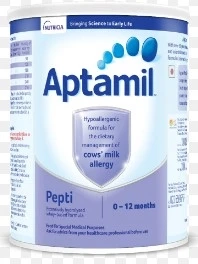
Aptamil Pepti Infant Formula 0 to 12 Months Tin 400gm
Brand: Nutricia International Private Limited
₹2000.00₹1960.00
View Details


Neocate LCP Infant Formula Powder 400GM
Brand: Nutricia International Private Limited
₹3300.00₹3234.00
View Details
Web Stories


Popular Lab Test






Live Doctor consultation
Live Doctor Chat

Fees ₹99
General Physician

Dr. Syed Mukhtar Mohiuddin
MBBS, MD , Fellowship in Diabetes Mellitus (UK)
- 7 Years
- English
Available at 00:00 to 07:00
Fees ₹99
General Physician
Fees ₹99
General Physician
Fees ₹99
General Physician
Fees ₹99
General Physician
Download Our App & Get Consultation from anywhere.