- Published on: Nov 09, 2023
- 3 minute read
- By: Secondmedic Expert
The Hidden Dangers Of Overloading On Multivitamins: Harmful Side Effects And Health Risks




In our relentless pursuit of health and vitality, multivitamins have become synonymous with well-being. These compact capsules promise a daily dose of essential nutrients, but beneath their popularity lies a complex landscape of benefits and risks. In this comprehensive exploration, we'll unravel the intricacies surrounding multivitamins, shedding light on their myriad benefits, potential side effects, and the indispensable need for informed choices. Join us on this in-depth journey as we navigate the multivitamin maze, peeling back the layers to reveal the risks and rewards that come with their daily consumption.
Decoding Multivitamins: Unraveling the Rich Tapestry of Benefits
Multivitamins, neatly arranged on pharmacy shelves, have become a symbol of nutritional support for many. Let's delve into the rich tapestry of benefits that makes multivitamins a staple in the wellness routine.
1. Comprehensive Nutrition Amidst Modern Chaos:
- In the hustle and bustle of contemporary life, achieving a balanced diet can be challenging. Multivitamins serve as a nutritional safety net, delivering a diverse array of vitamins and minerals in one convenient dose.
2. Fortifying the Immune Resilience:
- Many multivitamins boost immune-boosting ingredients like vitamin C and zinc, providing additional reinforcement for the body's defense mechanisms against common illnesses.
3. Fueling Energy and Vitality:
- B-vitamins present in multivitamins contribute to energy production, combating fatigue and promoting overall vitality, especially in the face of demanding schedules.
4. Supporting Bone Health and Beyond:
- Essential nutrients like vitamin D and calcium often find their place in multivitamin formulations, supporting not only bone health but also contributing to overall well-being.
Addressing the Nutritional Void: The Modern Necessity of Multivitamins
In an era of processed foods and erratic schedules, multivitamins emerge as a crucial tool to counteract nutritional gaps. Let's uncover why these supplements are deemed a necessity in our contemporary lives.
1. Challenges Posed by Modern Dietary Habits:
- Processed foods, irregular eating patterns, and dietary restrictions contribute to nutrient deficiencies. Multivitamins act as a safety net, ensuring our bodies receive the essential nutrients they need for optimal function.
2. Custom Solutions for Unique Needs:
- Certain populations, such as pregnant women or seniors, may have specific nutritional requirements. Multivitamins can be customized to address these unique needs, offering tailored solutions for different life stages.
3. Proactive Prevention of Health Issues:
- By providing a spectrum of essential nutrients, multivitamins offer a proactive approach to preventing deficiencies that could lead to a range of health issues, from anemia to compromised immune function.
The Unseen Risks: Navigating the Dark Side of Multivitamins
Beneath the promising veneer of multivitamins lies a realm of potential risks and side effects. Let's shine a light on the hidden dangers that may accompany these seemingly innocuous supplements.
1. Nutrient Overload: The Perils of Excessive Intake:
- Excessive consumption of certain fat-soluble vitamins like A and D can lead to toxicity, causing adverse health effects such as nausea, dizziness, and, in severe cases, organ damage.
2. Digestive Discomfort: Balancing Act Gone Awry:
- Gastrointestinal issues such as nausea, cramps, or diarrhea may plague individuals with a sensitivity to certain multivitamin components, emphasizing the importance of understanding individual tolerance levels.
3. Medication Interactions: The Delicate Dance of Supplements and Prescriptions:
- Multivitamins can interact with prescription medications, potentially diminishing the efficacy of medications or triggering unwanted side effects. It is crucial to be aware of potential interactions and consult with healthcare professionals.
4. Potential Allergic Reactions: A Hidden Concern:
- Some individuals may experience allergic reactions to certain ingredients in multivitamins, highlighting the importance of checking the product's composition and consulting healthcare professionals in case of allergies.
Online Dr Consultation: Safeguarding Your Multivitamin Journey
In the era of digital healthcare, seeking professional guidance has never been more accessible. Online doctor consultations offer a crucial lifeline for those navigating the multivitamin landscape.
1. Tailored Advice for Personal Well-being:
- Consulting with a healthcare professional online provides personalized guidance, ensuring that multivitamins align with individual health needs and concerns. This tailored approach enhances the effectiveness and safety of multivitamin use.
2. Monitoring for Side Effects: A Watchful Eye on Your Health:
- Regular online consultations enable continuous monitoring for potential side effects or interactions with existing medications, promoting a proactive approach to well-being. Healthcare professionals can adjust recommendations based on individual responses.
3. Dosage Wisdom: Striking the Right Balance:
- Online doctors can offer clear instructions on the appropriate dosage and duration of multivitamin use, preventing the risk of overconsumption and ensuring a balanced approach to supplementation.
Empowering Choices: Integrating Full Body Checkups and Home Blood Tests
To navigate the multivitamin maze with confidence, integrating comprehensive health assessments becomes paramount. Let's explore the synergy between full body checkups, home blood tests, and the informed use of multivitamins.
1. Holistic Health Assessment: The Foundation of Informed Choices:
- A comprehensive full body checkup establishes a baseline for health, allowing healthcare professionals to tailor advice and recommendations accordingly. This holistic approach ensures that multivitamin use aligns with individual health profiles.
2. Blood Tests at Home: Convenience Meets Proactivity:
- Conducting blood tests at home streamlines the monitoring process, empowering individuals to stay on top of their health without compromising convenience. Regular blood tests provide valuable insights into nutritional status, guiding the necessity and composition of multivitamin supplementation.
3. Informed Multivitamin Choices: A Proactive Health Approach:
- Armed with the insights from full body checkups and blood tests, individuals can make informed choices about multivitamin supplementation, optimizing well-being with precision. This proactive approach ensures that multivitamins complement, rather than conflict with, individual health needs.
Choosing Quality: Navigating the Multivitamin Marketplace
Amidst the multitude of options in the multivitamin market, choosing a quality supplement is paramount. Look for products with third-party testing, transparent ingredient lists, and adherence to recommended daily values. Consult healthcare professionals for product recommendations based on individual health needs.
As we conclude this exhaustive journey through the multivitamin landscape, it's evident that these supplements are not a one-size-fits-all solution. The benefits are undeniable, but the risks demand thoughtful consideration. Empower yourself with knowledge, seek professional guidance through online consultations, and
integrate comprehensive health assessments into your wellness routine. In the realm of multivitamins, informed choices pave the way for a healthier and more balanced life. Remember, your health journey is unique—make choices that resonate with your individual needs and aspirations.
Read FAQs
A. Yes, excessive intake of multivitamins can be harmful. Overloading your body with certain vitamins and minerals may lead to toxicity, causing adverse health effects.
A. Overloading your body with vitamins can result in various health issues. Symptoms may include nausea, dizziness, digestive discomfort, and, in severe cases, organ damage. It's crucial to avoid exceeding recommended dosage levels.
A. Health risks associated with multivitamins include nutrient overload, digestive discomfort, potential allergic reactions, and interactions with medications. It's essential to be aware of these risks and consult healthcare professionals for personalized advice.


Vitamin D Deficiency Symptoms: Signs Your Body May Be Lacking Vitamin D
Vitamin D is an essential nutrient that plays a vital role in maintaining strong bones, supporting the immune system and regulating several important functions in the body. Despite its importance, vitamin D deficiency is one of the most common nutritional deficiencies worldwide.
In India, vitamin D deficiency has become increasingly prevalent due to lifestyle factors such as limited sunlight exposure, indoor working environments and dietary habits. According to the Indian Council of Medical Research (ICMR), a significant percentage of the population may have insufficient vitamin D levels.
Recognizing the symptoms of vitamin D deficiency early is important because prolonged deficiency can lead to serious health complications affecting bones, muscles and overall wellbeing.
What Is Vitamin D and Why Is It Important?
Vitamin D is often called the “sunshine vitamin” because the body produces it when the skin is exposed to sunlight. It plays a key role in calcium absorption, which is essential for maintaining healthy bones and teeth.
In addition to bone health, vitamin D supports several important functions including:
immune system regulation
muscle function
inflammation control
hormonal balance
Low levels of vitamin D can disrupt these functions and contribute to various health problems.
Common Symptoms of Vitamin D Deficiency
Vitamin D deficiency can manifest through several symptoms, many of which are often overlooked or mistaken for other health issues.
Persistent Fatigue
Constant tiredness or low energy levels may be one of the earliest signs of vitamin D deficiency. Even after adequate rest, individuals with low vitamin D levels may continue to feel exhausted.
Vitamin D plays a role in cellular energy production, and insufficient levels may contribute to chronic fatigue.
Bone and Back Pain
One of the most well-known effects of vitamin D deficiency is bone discomfort. Vitamin D helps the body absorb calcium, which is essential for maintaining bone strength.
Low vitamin D levels may cause:
bone pain
lower back pain
increased risk of fractures
Persistent bone discomfort should be evaluated by a healthcare professional.
Muscle Weakness
Vitamin D is important for muscle health and function. Deficiency can lead to muscle weakness, cramps or general muscle fatigue.
Older adults with vitamin D deficiency may also experience reduced mobility and increased risk of falls.
Frequent Illness or Infections
Vitamin D plays a key role in supporting the immune system. Individuals with low vitamin D levels may experience frequent colds, infections or slower recovery from illness.
Research suggests that adequate vitamin D levels help strengthen immune defenses against respiratory infections.
Mood Changes and Depression
Vitamin D may influence brain function and mood regulation. Some studies have found a connection between low vitamin D levels and mood disorders such as depression or anxiety.
People experiencing persistent mood changes should consider evaluating vitamin levels as part of a broader health assessment.
Hair Loss
Severe vitamin D deficiency may contribute to hair thinning or hair loss. While hair loss can have multiple causes, nutritional deficiencies including vitamin D deficiency may play a role.
Slow Wound Healing
Vitamin D contributes to the body’s inflammatory response and tissue repair processes. Individuals with deficiency may notice slower wound healing or delayed recovery from injuries.
Who Is at Risk of Vitamin D Deficiency?
Several factors can increase the risk of vitamin D deficiency.
Limited Sun Exposure
People who spend most of their time indoors or use strong sun protection regularly may not receive enough sunlight to produce sufficient vitamin D.
Urban lifestyles and indoor work environments contribute to this problem.
Older Adults
As people age, the skin becomes less efficient at producing vitamin D from sunlight. Older adults may therefore require additional dietary intake or supplements.
Individuals with Darker Skin
Melanin reduces the skin’s ability to produce vitamin D from sunlight. Individuals with darker skin tones may require longer sun exposure to produce adequate levels.
Poor Dietary Intake
Few foods naturally contain vitamin D. Diets lacking fortified foods, dairy products or fatty fish may contribute to deficiency.
Medical Conditions
Certain medical conditions such as kidney disease, liver disease or digestive disorders can affect vitamin D absorption and metabolism.
How Is Vitamin D Deficiency Diagnosed?
Vitamin D deficiency is diagnosed through a simple blood test that measures the level of 25-hydroxyvitamin D in the bloodstream.
Doctors may recommend testing for individuals who experience symptoms of deficiency or belong to high-risk groups.
Early diagnosis allows healthcare providers to recommend appropriate treatment and lifestyle adjustments.
How to Improve Vitamin D Levels
Sunlight Exposure
Regular sunlight exposure is one of the most effective ways to increase vitamin D levels. Experts generally recommend 10 to 30 minutes of sunlight exposure several times per week, depending on skin type and location.
Dietary Sources of Vitamin D
Although limited, certain foods contain vitamin D, including:
fatty fish such as salmon and mackerel
egg yolks
fortified milk and cereals
mushrooms
Including these foods in the diet can help maintain healthy vitamin D levels.
Vitamin D Supplements
In cases of significant deficiency, doctors may recommend vitamin D supplements. The dosage depends on the individual’s vitamin levels, age and health status.
It is important to take supplements under medical supervision to avoid excessive intake.
Preventing Vitamin D Deficiency
Maintaining adequate vitamin D levels requires a balanced combination of sunlight exposure, proper nutrition and regular health monitoring.
Routine health checkups and vitamin testing can help identify deficiencies early and prevent complications.
Adopting a healthy lifestyle with balanced nutrition and outdoor activity can significantly improve vitamin D status and overall health.
Conclusion
Vitamin D deficiency is a common but often overlooked health concern. Symptoms such as fatigue, bone pain, muscle weakness and frequent infections may indicate low vitamin D levels.
Early detection and proper management are essential to prevent long-term health complications. By ensuring adequate sunlight exposure, maintaining a balanced diet and undergoing regular health checkups, individuals can support healthy vitamin D levels and improve overall wellbeing.
Recognizing the warning signs of vitamin D deficiency and seeking timely medical advice can help protect long-term health and maintain optimal body function.
References
-
Indian Council of Medical Research (ICMR) – Nutritional Deficiency Reports
-
World Health Organization (WHO) – Micronutrient Deficiency Guidelines
-
National Institute of Nutrition (NIN) India – Vitamin D Research Reports
-
Lancet Public Health – Nutritional Health Studies
-
National Institutes of Health (NIH) – Vitamin D Fact Sheets for Health Professionals


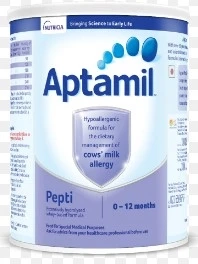
Aptamil Pepti Infant Formula 0 to 12 Months Tin 400gm
Brand: Nutricia International Private Limited
₹2000.00₹1960.00
View Details


Neocate LCP Infant Formula Powder 400GM
Brand: Nutricia International Private Limited
₹3300.00₹3234.00
View Details
Web Stories


Popular Lab Test






Live Doctor consultation
Live Doctor Chat

Fees ₹99
General Physician
Fees ₹99
General Physician
Fees ₹99
General Physician

Dr. Syed Mukhtar Mohiuddin
MBBS, MD , Fellowship in Diabetes Mellitus (UK)
- 7 Years
- English
Available at 00:00 to 07:00
Fees ₹99
General Physician
Fees ₹99
General Physician
Download Our App & Get Consultation from anywhere.