- Published on: Nov 28, 2023
- 2 minute read
- By: Secondmedic Expert
The Nighttime Debate: Pros And Cons Of Drinking Milk Before Bed




Introduction: Navigating the Nighttime Ritual - Milk Before Bed
The timeless ritual of savoring a warm glass of milk before slipping into slumber has been a subject of ongoing discussion. Its reputed benefits in aiding sleep and nourishing the body clash with concerns about potential drawbacks and individual suitability. As we delve deeper into nocturnal nutrition, let's unveil the pros and cons of consuming milk before bedtime, uncovering its impact on sleep quality, health benefits, and potential considerations.
Understanding the Nutritional Treasure Trove in Milk
An Abundance of Vital Nutrients
Milk stands as a reservoir of essential nutrients critical for overall health. Rich in calcium, protein, vitamins D and B12, potassium, and phosphorus, it boasts a robust nutritional profile. Furthermore, milk houses tryptophan, an amino acid precursor pivotal in the production of serotonin and melatonin, key players in regulating sleep patterns.
Pros: Embracing the Benefits of Milk Before Bed
Promoting Restful Sleep
Renowned for its potential to induce sleep, milk's tryptophan content plays a significant role. This amino acid precursor to serotonin aids in relaxation, paving the way for a more peaceful transition into sleep. The comforting warmth of a glass of milk adds to the relaxation, promoting a restful slumber.
Nutrient Support for Relaxation and Muscle Recovery?
Beyond its sleep-inducing potential, milk's rich nutrient profile contributes to relaxation. Calcium and magnesium present in milk aid muscle relaxation, potentially reducing nighttime muscle cramps and promoting overall body comfort during sleep.
Bolstering Bone Health
Calcium, a cornerstone of milk's nutritional content, plays a pivotal role in maintaining strong bones. Drinking milk before bed ensures an additional intake of this essential mineral, potentially fortifying bone health, especially in the long term.
Cons: Considering Potential Concerns Linked to Milk Consumption Before Bed
Digestive Discomfort and Sensitivities
For individuals with lactose intolerance or dairy sensitivities, consuming milk before bed might trigger digestive discomfort. Bloating, gas, or stomach discomfort could interfere with sleep quality, offsetting the intended benefits of drinking milk at bedtime.
Caloric Load and Weight Management
While a nutrient powerhouse, milk carries a calorie load that may be a concern for those monitoring their caloric intake. Consuming milk before bed could lead to increased calorie intake, potentially affecting weight-related goals for some individuals.
Exploring Alternatives and Personal Considerations
Diverse Milk Alternatives and Preferences
Considering alternatives to traditional dairy milk offers choices for those with lactose intolerance or seeking varied options. Almond milk, soy milk, or oat milk provide unique nutritional profiles, catering to different dietary preferences and potential sensitivities.
Personal Response Variability and Timing
The effectiveness of drinking milk before bed varies from person to person. While some may find it beneficial for sleep, others might experience different outcomes. Experimentation with timing and quantities helps understand individual responses to bedtime milk consumption.
Conclusion: Balancing the Nocturnal Equation
Choosing whether to include milk in the bedtime routine is a personal decision. While milk holds promise for enhancing sleep and provides valuable nutrients, its compatibility with everyone's needs remains subjective. Evaluating individual responses and considering alternatives remains crucial in navigating the bedtime milk dilemma.
Call to Action: Nurturing a Night of Restful Slumber
Interested in refining your bedtime ritual or seeking tailored sleep advice? Discover more insights and tips for a peaceful night's sleep on Secondmedic. Share your experiences or thoughts on drinking milk before bed in the comments below. Let's unlock the secrets to a tranquil and restorative night's sleep together!
Read FAQs
A. Yes, drinking milk before bedtime might aid in promoting better sleep for some individuals. Milk contains tryptophan, an amino acid precursor to serotonin and melatonin, which are neurotransmitters involved in regulating sleep-wake cycles. The calming effects of tryptophan could contribute to relaxation, potentially facilitating an easier transition into sleep.
A. Absolutely! For those with lactose intolerance or seeking non-dairy options, various milk alternatives like almond milk, soy milk, or oat milk serve as viable substitutes. These alternatives offer different nutritional profiles and can provide a comforting bedtime routine similar to dairy milk.
A. For individuals with lactose intolerance or dairy sensitivities, drinking milk before bedtime might lead to digestive discomfort such as bloating, gas, or stomach upset. It's essential to be mindful of individual tolerances and potential sensitivities to dairy products.
A. While milk offers valuable nutrients, it also contains calories. For individuals monitoring their caloric intake or managing weight, consuming milk before bed might contribute to increased calorie consumption, potentially affecting weight-related goals. Moderation and consideration of overall calorie intake are important factors.
A. Personal response to drinking milk before bedtime varies among individuals. Experimenting with timing, quantities, and observing any adverse reactions or improvements in sleep quality can help determine its suitability. It's advisable to consider alternatives if experiencing digestive discomfort or if lactose intolerant.


Why Preventive Healthcare Is More Important Than Treatment: A Smarter Approach to Health
Healthcare systems worldwide are shifting focus from reactive treatment to proactive prevention. While medical treatments have advanced significantly, preventing disease before it develops remains the most effective strategy for long-term health.
Understanding why preventive healthcare is more important than treatment empowers individuals to take control of their wellbeing and reduce future health risks.
What Is Preventive Healthcare?
Preventive healthcare involves measures taken to avoid disease rather than treating it after symptoms appear.
It includes:
-
Routine health checkups
-
Vaccinations
-
Blood pressure monitoring
-
Diabetes screening
-
Cancer screening
-
Healthy lifestyle habits
The goal is early detection and risk reduction.
1. Early Detection Saves Lives
Many serious conditions develop silently, including:
-
Diabetes
-
Hypertension
-
Heart disease
-
Cancer
Regular screening identifies these conditions at an early stage when treatment is more effective and less invasive.
2. Reduces Healthcare Costs
Treating advanced diseases often involves:
-
Hospitalization
-
Surgery
-
Long-term medication
-
Intensive care
Preventive care reduces these costs by identifying risks early and managing them promptly.
3. Improves Quality of Life
Prevention focuses on maintaining optimal health.
Healthy individuals experience:
-
Higher energy levels
-
Better productivity
-
Improved mental wellbeing
-
Reduced stress
Staying healthy enhances overall life satisfaction.
4. Prevents Chronic Diseases
Lifestyle diseases such as obesity, diabetes and cardiovascular disorders are largely preventable.
Preventive measures include:
-
Balanced nutrition
-
Regular exercise
-
Smoking cessation
-
Stress management
These habits significantly lower disease risk.
5. Reduces Complications
Early management prevents complications such as:
-
Kidney damage from diabetes
-
Stroke from uncontrolled hypertension
-
Heart attacks due to high cholesterol
Preventive healthcare minimizes disease progression.
6. Encourages Health Awareness
Routine checkups increase awareness about:
-
Body weight
-
Blood sugar levels
-
Cholesterol
-
Nutritional deficiencies
Awareness motivates positive lifestyle changes.
Preventive Healthcare in the Indian Context
India faces rising rates of lifestyle diseases.
Urbanization, sedentary jobs and dietary changes have increased non-communicable diseases.
Preventive healthcare initiatives such as annual health screenings and awareness programs are critical to reducing the national disease burden.
Key Components of Preventive Care
Regular Health Screenings
-
Blood pressure checks
-
Blood sugar tests
-
Lipid profile
-
Thyroid tests
Vaccinations
-
Influenza
-
Hepatitis
-
COVID-19
-
Tetanus
Vaccines prevent infectious diseases.
Lifestyle Modification
-
Healthy diet
-
Daily exercise
-
Adequate sleep
-
Stress reduction
These form the foundation of prevention.
Treatment vs Prevention: A Comparison
Prevention |
Treatment |
Focuses on avoiding disease |
Focuses on managing disease |
Lower cost |
Higher cost |
Less invasive |
Often invasive |
Long-term benefits |
May involve side effects |
Prevention reduces risk before complications arise.
When Should Preventive Care Begin?
Preventive healthcare is important at every stage of life.
Adults above 30 years should undergo annual health checkups, especially if they have:
-
Family history of chronic disease
-
Sedentary lifestyle
-
Obesity
-
Smoking habits
Early intervention makes a measurable difference.
Overcoming Barriers to Prevention
Common challenges include:
-
Lack of time
-
Fear of diagnosis
-
Financial concerns
Solutions involve:
-
Corporate health programs
-
Insurance coverage for screenings
-
Digital health platforms
Encouraging routine checkups improves participation.
The Long-Term Impact of Prevention
Consistent preventive care leads to:
-
Increased life expectancy
-
Reduced healthcare burden
-
Improved economic productivity
-
Healthier communities
Healthy populations contribute to national growth.
Conclusion
Preventive healthcare is more important than treatment because it addresses health risks before they escalate into serious conditions. Early detection, regular screenings and healthy lifestyle habits reduce disease burden, save costs and improve quality of life.
While treatment remains essential when illness occurs, prevention offers a smarter and more sustainable approach to long-term wellbeing.
Taking proactive steps today can protect your health for years to come. Prevention is not just a medical strategy — it is a commitment to a healthier future.
References
-
Indian Council of Medical Research – Preventive Health Reports
-
World Health Organization – Preventive Healthcare Guidelines
-
National Family Health Survey – Lifestyle Disease Data
-
NITI Aayog – Health Strategy Reports
-
Lancet Global Health – Preventive Medicine Research



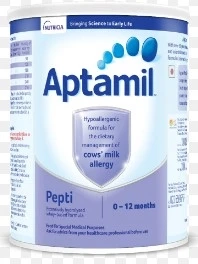
Aptamil Pepti Infant Formula 0 to 12 Months Tin 400gm
Brand: Nutricia International Private Limited
₹2000.00₹1960.00
View Details


Neocate LCP Infant Formula Powder 400GM
Brand: Nutricia International Private Limited
₹3300.00₹3234.00
View Details
Web Stories


Popular Lab Test






Live Doctor consultation
Live Doctor Chat

Fees ₹99
General Physician

Dr. Syed Mukhtar Mohiuddin
MBBS, MD , Fellowship in Diabetes Mellitus (UK)
- 7 Years
- English
Available at 00:00 to 07:00
Fees ₹99
General Physician
Fees ₹99
General Physician
Fees ₹99
General Physician
Fees ₹99
General Physician
Download Our App & Get Consultation from anywhere.