- Published on: Oct 31, 2023
- 3 minute read
- By: Secondmedic Expert
The Pace Of Eating: Slow Vs. Fast - Which Is Better For Your Health?




Are you in a rush to finish your meals, or do you savor every bite, taking your time to enjoy the flavors? The pace at which we eat can have a significant impact on our health. In a world filled with fast-food options and busy schedules, it's essential to ask ourselves: Is eating fast the path to better health, or should we slow down for the sake of our well-being? Let's explore the connection between the pace of eating and its impact on our health.
Healthy Food Choices: The Foundation of Good Health
The foundation of any discussion about eating pace and health begins with the type of food we choose to consume. Opting for healthy food is crucial, irrespective of the speed at which we eat. In our quest for a balanced and nutritious diet, we come across various options – some of which fall under the category of "superfoods." These superfoods are packed with essential nutrients, providing a potent boost to our health.
Whether you're a fast eater or a slow one, it's imperative to incorporate healthy food into your diet. A diet rich in fruits, vegetables, lean proteins, and whole grains can benefit your overall well-being.
The Connection Between Eating Pace and Digestion
Does eating fast lead to better digestion, or is it more beneficial to savor every bite?
Fast Eating: The Pros and Cons
Eating quickly may seem convenient, especially in a fast-paced world. However, this pace can lead to several health-related issues. When we eat too quickly, our bodies might not register fullness, leading to overeating. This habit can contribute to weight gain and related problems.
On the other hand, proponents of fast eating argue that it may help in reducing weight by consuming fewer calories, as you feel full sooner. However, this approach often leads to a lack of proper nutrition, as you may choose processed and calorie-dense foods.
Slow Eating: The Benefits of Savoring Every Bite
Contrary to fast eating, slow eating encourages mindfulness at the table. It gives your body time to signal when you're full, preventing overconsumption. This practice can aid in weight management and promote healthy eating habits.
Moreover, eating slowly can improve digestion. Chewing food thoroughly aids in breaking it down, making it easier for the body to absorb essential nutrients. It also allows you to savor the taste and texture of your food, enhancing the overall dining experience.
Weight Loss Tips and the Role of Eating Pace
If your goal is to shed those extra pounds, your eating pace plays a significant role. Incorporating both healthy food and the right eating pace can be your key to success.
Choose the Right Foods
To embark on a successful weight loss journey, it's essential to select foods that are not only nutritious but also filling. Superfoods like quinoa, chia seeds, and kale can provide the necessary nutrients while keeping you full for longer.
Eating Slowly: A Weight Loss Strategy
When trying to reduce weight, eating slowly is your ally. By savoring every bite, you give your body time to realize it's full, preventing overeating. This strategy aligns with weight loss tips recommended by experts.
Easy Diet to Lose Weight Fast: A Balanced Approach
If you're looking for an easy diet to lose weight fast, it's crucial to strike a balance between your eating pace and food choices. The term 'easy diet' often raises eyebrows, as it may imply unhealthy shortcuts. However, a balanced approach that combines healthy food, slow eating, and expert guidance can make weight loss achievable.
The Role of Expert Consultation in Weight Management
While it's essential to make informed dietary choices, expert consultation can provide valuable insights into your weight loss journey. Consulting a healthcare professional, such as a nutritionist or an online doctor, can offer personalized guidance tailored to your specific needs.
Reduce Weight Doctor Consultation
A 'reduce weight doctor consultation' is not about quick fixes or extreme diets. Instead, it involves seeking guidance from a qualified medical professional who can help you understand your body, your dietary needs, and a sustainable plan for weight loss.
Online Doctor Consultation: Convenience and Accessibility
In today's digital age, 'online doctor consultation' is a convenient option. It allows you to seek expert advice without leaving your home, making it accessible to a broader audience.
In conclusion, the pace at which we eat plays a crucial role in our overall health and well-being. While both fast and slow eating have their advantages and disadvantages, it's evident that slow eating offers more benefits for our health. Mindful, slow eating allows us to recognize fullness, prevent overeating, and promote healthy digestion. It also enhances the dining experience by allowing us to savor the flavors and textures of our food.
When it comes to weight loss, the combination of healthy food choices and slow eating can be a winning strategy. Superfoods rich in nutrients and filling qualities can support weight management. Additionally, a balanced approach that prioritizes both nutrition and eating pace aligns with expert-recommended weight loss tips.
Read FAQs
A. The pace at which you eat can significantly impact your health. Eating slowly is generally considered better for your health as it allows your body to recognize fullness, preventing overeating. On the other hand, eating too quickly can lead to overconsumption and potential weight gain. So, in most cases, it's better to eat slowly for improved health and mindful eating.
A. Yes, eating slowly is indeed good for your health. It promotes mindfulness during meals, allowing you to savor the taste and texture of your food while aiding in better digestion. Eating slowly also helps your body signal when it's full, reducing the chances of overeating. This practice can be a valuable part of a healthy eating regimen.
A. While eating slowly has several health benefits, it's essential to strike a balance. Some potential disadvantages of eating slowly include: 1.Time-Consuming: Eating slowly may require more time, which can be challenging in our busy lives. 2.Social Situations: In social gatherings or during shared meals, eating too slowly might make you feel out of sync with others. 3.Risk of Cold Food: Eating too slowly can lead to your food getting cold, which may affect the overall dining experience. However, with proper time management and mindfulness, you can mitigate these disadvantages and still enjoy the many benefits of eating slowly for your health.


Why Preventive Healthcare Is More Important Than Treatment: A Smarter Approach to Health
Healthcare systems worldwide are shifting focus from reactive treatment to proactive prevention. While medical treatments have advanced significantly, preventing disease before it develops remains the most effective strategy for long-term health.
Understanding why preventive healthcare is more important than treatment empowers individuals to take control of their wellbeing and reduce future health risks.
What Is Preventive Healthcare?
Preventive healthcare involves measures taken to avoid disease rather than treating it after symptoms appear.
It includes:
-
Routine health checkups
-
Vaccinations
-
Blood pressure monitoring
-
Diabetes screening
-
Cancer screening
-
Healthy lifestyle habits
The goal is early detection and risk reduction.
1. Early Detection Saves Lives
Many serious conditions develop silently, including:
-
Diabetes
-
Hypertension
-
Heart disease
-
Cancer
Regular screening identifies these conditions at an early stage when treatment is more effective and less invasive.
2. Reduces Healthcare Costs
Treating advanced diseases often involves:
-
Hospitalization
-
Surgery
-
Long-term medication
-
Intensive care
Preventive care reduces these costs by identifying risks early and managing them promptly.
3. Improves Quality of Life
Prevention focuses on maintaining optimal health.
Healthy individuals experience:
-
Higher energy levels
-
Better productivity
-
Improved mental wellbeing
-
Reduced stress
Staying healthy enhances overall life satisfaction.
4. Prevents Chronic Diseases
Lifestyle diseases such as obesity, diabetes and cardiovascular disorders are largely preventable.
Preventive measures include:
-
Balanced nutrition
-
Regular exercise
-
Smoking cessation
-
Stress management
These habits significantly lower disease risk.
5. Reduces Complications
Early management prevents complications such as:
-
Kidney damage from diabetes
-
Stroke from uncontrolled hypertension
-
Heart attacks due to high cholesterol
Preventive healthcare minimizes disease progression.
6. Encourages Health Awareness
Routine checkups increase awareness about:
-
Body weight
-
Blood sugar levels
-
Cholesterol
-
Nutritional deficiencies
Awareness motivates positive lifestyle changes.
Preventive Healthcare in the Indian Context
India faces rising rates of lifestyle diseases.
Urbanization, sedentary jobs and dietary changes have increased non-communicable diseases.
Preventive healthcare initiatives such as annual health screenings and awareness programs are critical to reducing the national disease burden.
Key Components of Preventive Care
Regular Health Screenings
-
Blood pressure checks
-
Blood sugar tests
-
Lipid profile
-
Thyroid tests
Vaccinations
-
Influenza
-
Hepatitis
-
COVID-19
-
Tetanus
Vaccines prevent infectious diseases.
Lifestyle Modification
-
Healthy diet
-
Daily exercise
-
Adequate sleep
-
Stress reduction
These form the foundation of prevention.
Treatment vs Prevention: A Comparison
Prevention |
Treatment |
Focuses on avoiding disease |
Focuses on managing disease |
Lower cost |
Higher cost |
Less invasive |
Often invasive |
Long-term benefits |
May involve side effects |
Prevention reduces risk before complications arise.
When Should Preventive Care Begin?
Preventive healthcare is important at every stage of life.
Adults above 30 years should undergo annual health checkups, especially if they have:
-
Family history of chronic disease
-
Sedentary lifestyle
-
Obesity
-
Smoking habits
Early intervention makes a measurable difference.
Overcoming Barriers to Prevention
Common challenges include:
-
Lack of time
-
Fear of diagnosis
-
Financial concerns
Solutions involve:
-
Corporate health programs
-
Insurance coverage for screenings
-
Digital health platforms
Encouraging routine checkups improves participation.
The Long-Term Impact of Prevention
Consistent preventive care leads to:
-
Increased life expectancy
-
Reduced healthcare burden
-
Improved economic productivity
-
Healthier communities
Healthy populations contribute to national growth.
Conclusion
Preventive healthcare is more important than treatment because it addresses health risks before they escalate into serious conditions. Early detection, regular screenings and healthy lifestyle habits reduce disease burden, save costs and improve quality of life.
While treatment remains essential when illness occurs, prevention offers a smarter and more sustainable approach to long-term wellbeing.
Taking proactive steps today can protect your health for years to come. Prevention is not just a medical strategy — it is a commitment to a healthier future.
References
-
Indian Council of Medical Research – Preventive Health Reports
-
World Health Organization – Preventive Healthcare Guidelines
-
National Family Health Survey – Lifestyle Disease Data
-
NITI Aayog – Health Strategy Reports
-
Lancet Global Health – Preventive Medicine Research



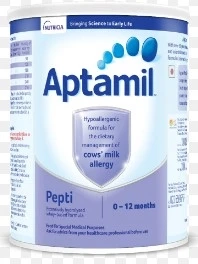
Aptamil Pepti Infant Formula 0 to 12 Months Tin 400gm
Brand: Nutricia International Private Limited
₹2000.00₹1960.00
View Details


Neocate LCP Infant Formula Powder 400GM
Brand: Nutricia International Private Limited
₹3300.00₹3234.00
View Details
Web Stories


Popular Lab Test






Live Doctor consultation
Live Doctor Chat

Fees ₹99
General Physician

Dr. Syed Mukhtar Mohiuddin
MBBS, MD , Fellowship in Diabetes Mellitus (UK)
- 7 Years
- English
Available at 00:00 to 07:00
Fees ₹99
General Physician
Fees ₹99
General Physician
Fees ₹99
General Physician
Fees ₹99
General Physician
Download Our App & Get Consultation from anywhere.