- Published on: Jan 16, 2024
- 3 minute read
- By: Secondmedic Expert
The Pivotal Role Of Diet In Cancer Prevention




The battle against cancer, a leading cause of death worldwide, is ongoing and challenging. However, amidst this challenge lies a beacon of hope: the power of dietary choices in cancer prevention. The connection between what we eat and the risk of developing cancer is undeniable, and this blog aims to unravel how making wise dietary decisions can be a significant stride towards a cancer-free life. Our exploration into this vital topic not only sheds light on the crucial role of diet in warding off cancer but also serves as a guide for adopting a lifestyle that nurtures health and longevity.
The Power of Plant-Based Foods: Delving into the realm of plant-based nutrition reveals a world rich in colors, flavors, and health benefits. A diet abundant in fruits, vegetables, and whole grains stands at the forefront of cancer prevention. These natural treasures are not just about tantalizing our taste buds; they are packed with an arsenal of phytochemicals and antioxidants. These compounds are nature's way of safeguarding our cells from the sort of damage that can lead to cancer. Inflammation, a known accomplice in cancer development, is kept at bay by these nutrient-rich foods. Embracing a rainbow of plant-based foods such as leafy greens, vibrant berries, and cruciferous vegetables like broccoli and kale, not only enhances the dietary palette but also fortifies the body's defenses against cancer.
Understanding the Sugar-Cancer Link: The narrative around sugar and cancer is complex and often misunderstood. It's a common misconception that sugar directly feeds cancer. However, the truth lies in understanding the distinction between natural and added sugars. Our bodies require sugar in its natural form, as found in fruits and whole grains, for energy. The problem arises with added sugars, prevalent in many processed foods, which contribute to obesity and heart disease - both of which are risk factors for cancer. Navigating the modern diet requires a keen eye to identify hidden sugars in everyday foods and the wisdom to moderate their intake.
Vitamin D: The Sunshine Vitamin: Vitamin D, often hailed as the 'sunshine vitamin,' plays a more significant role in our health than many realize. Research indicates a link between vitamin D deficiency and an increased risk of certain cancers. The body synthesizes vitamin D through sun exposure, but modern lifestyles often limit our time outdoors. Additionally, very few foods naturally contain significant amounts of vitamin D, leading to a prevalence of vitamin D deficiency. Understanding this connection underscores the importance of seeking sunlight, opting for vitamin D-fortified foods, and considering supplements, especially in regions with limited sunlight. Regular blood tests and consultations with healthcare professionals can ensure optimal levels of this crucial vitamin.
Fiber: Your Dietary Ally: The benefits of a high-fiber diet extend beyond digestive health and play a critical role in cancer prevention, particularly concerning colon cancer. Fiber-rich foods like whole grains, legumes, and certain fruits and vegetables not only aid in maintaining a healthy weight but also contribute to the overall health of the gut. This, in turn, affects the body's ability to fend off cancer. Incorporating diverse sources of fiber into one's diet is not just a step towards better health; it's a stride towards cancer prevention.
Alcohol: Moderation is Key: The link between alcohol and cancer is clear and concerning. Alcohol consumption is associated with an increased risk of various cancers, making moderation or abstinence a wise choice for those concerned about cancer. Understanding the risks and making informed decisions about alcohol can significantly impact one's overall cancer risk.
Healthy Fats Over Unhealthy Fats: The type of fats we consume has a profound impact on our health. Saturated fats, often found in animal products and processed foods, should be consumed in moderation. On the other hand, unsaturated fats, found in foods like avocados, nuts, and olive oils, can reduce the risk of cancer. Making conscious choices about the types of fats we include in our diet is not just about controlling weight; it's about protecting our bodies at the cellular level.
Physical Activity and Diet Synergy: The relationship between diet and physical activity is symbiotic when it comes to cancer prevention. Regular physical activity enhances the benefits of a healthy diet, helping to maintain a healthy weight and improving metabolic health, both of which are crucial in reducing cancer risk. Integrating physical activity into one's daily routine is as vital as making the right dietary choices.
Regular Screenings and Medical Consultations: While a healthy diet is a powerful tool in cancer prevention, it is not a standalone solution. Regular medical check-ups and cancer screenings are essential components of a comprehensive approach to health. Early detection and effective treatment of cancers are greatly enhanced by regular screenings. Additionally, open discussions with healthcare providers about the best cancer prevention strategies, including dietary changes, are crucial.
Embracing a diet focused on cancer prevention is more than a series of food choices; it's about adopting a lifestyle that promotes overall health and well-being. Our diet has the power to significantly lower our cancer risk,


Why Preventive Healthcare Is More Important Than Treatment: A Smarter Approach to Health
Healthcare systems worldwide are shifting focus from reactive treatment to proactive prevention. While medical treatments have advanced significantly, preventing disease before it develops remains the most effective strategy for long-term health.
Understanding why preventive healthcare is more important than treatment empowers individuals to take control of their wellbeing and reduce future health risks.
What Is Preventive Healthcare?
Preventive healthcare involves measures taken to avoid disease rather than treating it after symptoms appear.
It includes:
-
Routine health checkups
-
Vaccinations
-
Blood pressure monitoring
-
Diabetes screening
-
Cancer screening
-
Healthy lifestyle habits
The goal is early detection and risk reduction.
1. Early Detection Saves Lives
Many serious conditions develop silently, including:
-
Diabetes
-
Hypertension
-
Heart disease
-
Cancer
Regular screening identifies these conditions at an early stage when treatment is more effective and less invasive.
2. Reduces Healthcare Costs
Treating advanced diseases often involves:
-
Hospitalization
-
Surgery
-
Long-term medication
-
Intensive care
Preventive care reduces these costs by identifying risks early and managing them promptly.
3. Improves Quality of Life
Prevention focuses on maintaining optimal health.
Healthy individuals experience:
-
Higher energy levels
-
Better productivity
-
Improved mental wellbeing
-
Reduced stress
Staying healthy enhances overall life satisfaction.
4. Prevents Chronic Diseases
Lifestyle diseases such as obesity, diabetes and cardiovascular disorders are largely preventable.
Preventive measures include:
-
Balanced nutrition
-
Regular exercise
-
Smoking cessation
-
Stress management
These habits significantly lower disease risk.
5. Reduces Complications
Early management prevents complications such as:
-
Kidney damage from diabetes
-
Stroke from uncontrolled hypertension
-
Heart attacks due to high cholesterol
Preventive healthcare minimizes disease progression.
6. Encourages Health Awareness
Routine checkups increase awareness about:
-
Body weight
-
Blood sugar levels
-
Cholesterol
-
Nutritional deficiencies
Awareness motivates positive lifestyle changes.
Preventive Healthcare in the Indian Context
India faces rising rates of lifestyle diseases.
Urbanization, sedentary jobs and dietary changes have increased non-communicable diseases.
Preventive healthcare initiatives such as annual health screenings and awareness programs are critical to reducing the national disease burden.
Key Components of Preventive Care
Regular Health Screenings
-
Blood pressure checks
-
Blood sugar tests
-
Lipid profile
-
Thyroid tests
Vaccinations
-
Influenza
-
Hepatitis
-
COVID-19
-
Tetanus
Vaccines prevent infectious diseases.
Lifestyle Modification
-
Healthy diet
-
Daily exercise
-
Adequate sleep
-
Stress reduction
These form the foundation of prevention.
Treatment vs Prevention: A Comparison
Prevention |
Treatment |
Focuses on avoiding disease |
Focuses on managing disease |
Lower cost |
Higher cost |
Less invasive |
Often invasive |
Long-term benefits |
May involve side effects |
Prevention reduces risk before complications arise.
When Should Preventive Care Begin?
Preventive healthcare is important at every stage of life.
Adults above 30 years should undergo annual health checkups, especially if they have:
-
Family history of chronic disease
-
Sedentary lifestyle
-
Obesity
-
Smoking habits
Early intervention makes a measurable difference.
Overcoming Barriers to Prevention
Common challenges include:
-
Lack of time
-
Fear of diagnosis
-
Financial concerns
Solutions involve:
-
Corporate health programs
-
Insurance coverage for screenings
-
Digital health platforms
Encouraging routine checkups improves participation.
The Long-Term Impact of Prevention
Consistent preventive care leads to:
-
Increased life expectancy
-
Reduced healthcare burden
-
Improved economic productivity
-
Healthier communities
Healthy populations contribute to national growth.
Conclusion
Preventive healthcare is more important than treatment because it addresses health risks before they escalate into serious conditions. Early detection, regular screenings and healthy lifestyle habits reduce disease burden, save costs and improve quality of life.
While treatment remains essential when illness occurs, prevention offers a smarter and more sustainable approach to long-term wellbeing.
Taking proactive steps today can protect your health for years to come. Prevention is not just a medical strategy — it is a commitment to a healthier future.
References
-
Indian Council of Medical Research – Preventive Health Reports
-
World Health Organization – Preventive Healthcare Guidelines
-
National Family Health Survey – Lifestyle Disease Data
-
NITI Aayog – Health Strategy Reports
-
Lancet Global Health – Preventive Medicine Research



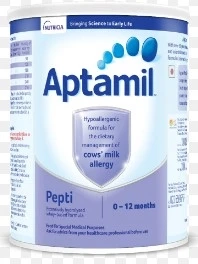
Aptamil Pepti Infant Formula 0 to 12 Months Tin 400gm
Brand: Nutricia International Private Limited
₹2000.00₹1960.00
View Details


Neocate LCP Infant Formula Powder 400GM
Brand: Nutricia International Private Limited
₹3300.00₹3234.00
View Details
Web Stories


Popular Lab Test






Live Doctor consultation
Live Doctor Chat

Fees ₹99
General Physician
Fees ₹99
General Physician
Fees ₹99
General Physician

Dr. Syed Mukhtar Mohiuddin
MBBS, MD , Fellowship in Diabetes Mellitus (UK)
- 7 Years
- English
Available at 00:00 to 07:00
Fees ₹99
General Physician
Fees ₹99
General Physician
Download Our App & Get Consultation from anywhere.