- Published on: Apr 10, 2024
- 2 minute read
- By: SecondMedic Expert
Unlikely Sources Of Protein That Might Surprise You!




In the world of nutrition, protein often takes the spotlight. We've all heard about the importance of getting enough protein in our diets for muscle building, satiety, and overall health. But did you know that protein can come from some unexpected sources? Yes, you read that right! Let's dive into some unlikely sources of protein that might surprise you and shake up your meal plan.
Quinoa: The Ancient Grain Powerhouse
Quinoa, pronounced keen-wah, is a pseudo-cereal that's been around for thousands of years. Although it's often grouped with grains, quinoa is a seed. What makes quinoa stand out is its impressive protein content. Unlike most plant-based foods, quinoa is a complete protein, meaning it contains all nine essential amino acids our bodies need. It's perfect for vegetarians and vegans looking to up their protein intake.
Edamame: The Green Protein Pods
Edamame might look like your average green bean, but it packs a powerful protein punch. These immature soybeans are not only delicious but also rich in protein, fiber, vitamins, and minerals. Snack on some steamed edamame or toss them into salads and stir-fries for an extra boost of plant-based protein.
Spirulina: The Superfood of the Sea
Spirulina is a blue-green algae that thrives in warm, alkaline waters. It's been consumed for centuries due to its incredible nutritional profile. Spirulina is a complete protein and contains all essential amino acids. Additionally, it's loaded with vitamins, minerals, and antioxidants. You can find spirulina powder to mix into smoothies, or even in tablet form for a convenient protein boost.
Hemp Seeds: Tiny But Mighty
Hemp seeds may be small, but they're mighty when it comes to nutrition. These tiny seeds are rich in protein, omega-3 and omega-6 fatty acids, and fiber. They have a slightly nutty flavor and can be sprinkled over yogurt, salads, or blended into smoothies. Hemp seeds are also a great source of magnesium, iron, and zinc, making them a nutritional powerhouse.
Cottage Cheese: The Dairy Surprise
Cottage cheese often gets overlooked, but it's a fantastic source of protein. With its creamy texture and mild flavor, cottage cheese can be enjoyed on its own or incorporated into both sweet and savory dishes. It's high in casein protein, which is slowly digested, making it ideal for keeping you feeling full and satisfied for longer periods.
Seitan: The Meat Substitute
Seitan, also known as wheat meat or wheat gluten, is a popular meat substitute in vegetarian and vegan diets. Made from wheat gluten, seitan has a chewy texture and absorbs flavors well. It's incredibly high in protein, making it a staple in many plant-based diets. Use seitan in stir-fries, or sandwiches, or even grill it for a hearty meat alternative.
Lentils: The Versatile Legume
Lentils are a humble legume that's been consumed for centuries in various cuisines around the world. Not only are lentils affordable and easy to cook, but they're also packed with protein, fiber, and essential nutrients. Whether you choose red, green, or black lentils, you'll be adding a healthy dose of protein to your meals.
Chia Seeds: The Tiny Powerhouses
Chia seeds might be small, but they're incredibly nutritious. These tiny seeds are loaded with protein, fiber, omega-3 fatty acids, and various vitamins and minerals. When mixed with liquid, chia seeds form a gel-like consistency, making them perfect for puddings, smoothies, or as an egg substitute in baking recipes.
Conclusion:
Protein is an essential nutrient that plays a crucial role in our overall health and well-being. While meat, poultry, and fish are traditional sources of protein, there's a whole world of unlikely sources waiting to be explored. From quinoa and edamame to spirulina and hemp seeds, incorporating these unexpected protein sources into your diet can add variety, flavor, and nutritional benefits. So, the next time you're looking to boost your protein intake, think outside the box and give these unlikely sources a try. Your taste buds and your body will thank you!
Read FAQs
A. Good sources of protein include chicken breast, eggs, Greek yogurt, lentils, quinoa, tofu, salmon, almonds, cottage cheese, and black beans.
A. Foods highest in protein include chicken, turkey, fish, lean beef, tofu, lentils, Greek yogurt, eggs, nuts, and seeds.
A. The five main sources of protein are meat, poultry, fish, dairy products, and plant-based sources such as beans, legumes, nuts, and seeds.


Why Preventive Healthcare Is More Important Than Treatment: A Smarter Approach to Health
Healthcare systems worldwide are shifting focus from reactive treatment to proactive prevention. While medical treatments have advanced significantly, preventing disease before it develops remains the most effective strategy for long-term health.
Understanding why preventive healthcare is more important than treatment empowers individuals to take control of their wellbeing and reduce future health risks.
What Is Preventive Healthcare?
Preventive healthcare involves measures taken to avoid disease rather than treating it after symptoms appear.
It includes:
-
Routine health checkups
-
Vaccinations
-
Blood pressure monitoring
-
Diabetes screening
-
Cancer screening
-
Healthy lifestyle habits
The goal is early detection and risk reduction.
1. Early Detection Saves Lives
Many serious conditions develop silently, including:
-
Diabetes
-
Hypertension
-
Heart disease
-
Cancer
Regular screening identifies these conditions at an early stage when treatment is more effective and less invasive.
2. Reduces Healthcare Costs
Treating advanced diseases often involves:
-
Hospitalization
-
Surgery
-
Long-term medication
-
Intensive care
Preventive care reduces these costs by identifying risks early and managing them promptly.
3. Improves Quality of Life
Prevention focuses on maintaining optimal health.
Healthy individuals experience:
-
Higher energy levels
-
Better productivity
-
Improved mental wellbeing
-
Reduced stress
Staying healthy enhances overall life satisfaction.
4. Prevents Chronic Diseases
Lifestyle diseases such as obesity, diabetes and cardiovascular disorders are largely preventable.
Preventive measures include:
-
Balanced nutrition
-
Regular exercise
-
Smoking cessation
-
Stress management
These habits significantly lower disease risk.
5. Reduces Complications
Early management prevents complications such as:
-
Kidney damage from diabetes
-
Stroke from uncontrolled hypertension
-
Heart attacks due to high cholesterol
Preventive healthcare minimizes disease progression.
6. Encourages Health Awareness
Routine checkups increase awareness about:
-
Body weight
-
Blood sugar levels
-
Cholesterol
-
Nutritional deficiencies
Awareness motivates positive lifestyle changes.
Preventive Healthcare in the Indian Context
India faces rising rates of lifestyle diseases.
Urbanization, sedentary jobs and dietary changes have increased non-communicable diseases.
Preventive healthcare initiatives such as annual health screenings and awareness programs are critical to reducing the national disease burden.
Key Components of Preventive Care
Regular Health Screenings
-
Blood pressure checks
-
Blood sugar tests
-
Lipid profile
-
Thyroid tests
Vaccinations
-
Influenza
-
Hepatitis
-
COVID-19
-
Tetanus
Vaccines prevent infectious diseases.
Lifestyle Modification
-
Healthy diet
-
Daily exercise
-
Adequate sleep
-
Stress reduction
These form the foundation of prevention.
Treatment vs Prevention: A Comparison
Prevention |
Treatment |
Focuses on avoiding disease |
Focuses on managing disease |
Lower cost |
Higher cost |
Less invasive |
Often invasive |
Long-term benefits |
May involve side effects |
Prevention reduces risk before complications arise.
When Should Preventive Care Begin?
Preventive healthcare is important at every stage of life.
Adults above 30 years should undergo annual health checkups, especially if they have:
-
Family history of chronic disease
-
Sedentary lifestyle
-
Obesity
-
Smoking habits
Early intervention makes a measurable difference.
Overcoming Barriers to Prevention
Common challenges include:
-
Lack of time
-
Fear of diagnosis
-
Financial concerns
Solutions involve:
-
Corporate health programs
-
Insurance coverage for screenings
-
Digital health platforms
Encouraging routine checkups improves participation.
The Long-Term Impact of Prevention
Consistent preventive care leads to:
-
Increased life expectancy
-
Reduced healthcare burden
-
Improved economic productivity
-
Healthier communities
Healthy populations contribute to national growth.
Conclusion
Preventive healthcare is more important than treatment because it addresses health risks before they escalate into serious conditions. Early detection, regular screenings and healthy lifestyle habits reduce disease burden, save costs and improve quality of life.
While treatment remains essential when illness occurs, prevention offers a smarter and more sustainable approach to long-term wellbeing.
Taking proactive steps today can protect your health for years to come. Prevention is not just a medical strategy — it is a commitment to a healthier future.
References
-
Indian Council of Medical Research – Preventive Health Reports
-
World Health Organization – Preventive Healthcare Guidelines
-
National Family Health Survey – Lifestyle Disease Data
-
NITI Aayog – Health Strategy Reports
-
Lancet Global Health – Preventive Medicine Research



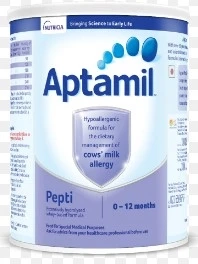
Aptamil Pepti Infant Formula 0 to 12 Months Tin 400gm
Brand: Nutricia International Private Limited
₹2000.00₹1960.00
View Details

Neocate LCP Infant Formula Powder 400GM
Brand: Nutricia International Private Limited
₹3300.00₹3234.00
View Details
Web Stories


Popular Lab Test






Live Doctor consultation
Live Doctor Chat

Fees ₹99
General Physician
Fees ₹99
General Physician
Fees ₹99
General Physician

Dr. Syed Mukhtar Mohiuddin
MBBS, MD , Fellowship in Diabetes Mellitus (UK)
- 7 Years
- English
Available at 00:00 to 07:00
Fees ₹99
General Physician
Fees ₹99
General Physician
Download Our App & Get Consultation from anywhere.