- Published on: Aug 22, 2023
- 2 minute read
- By: Secondmedic Expert
Unlocking The Power Of Smart Diet Tricks: Boosting Iron Absorption For Beating Anaemia




Introduction
In the pursuit of a healthier lifestyle, our diet plays a pivotal role. Iron deficiency, commonly known as anaemia, is a condition that can leave you feeling fatigued, weak, and lacking in energy. However, incorporating specific dietary changes and adopting smart food tricks can significantly enhance iron absorption, helping you combat anaemia and revitalize your vitality.
Understanding the Importance of Iron
Iron is an essential mineral that aids in the transportation of oxygen throughout the body. It's a vital component of hemoglobin, the protein responsible for carrying oxygen in red blood cells. When there is an inadequate intake of iron-rich foods, the body's ability to produce sufficient healthy red blood cells is compromised, leading to anaemia. Symptoms include fatigue, weakness, pale skin, and shortness of breath.
Foods for Iron Deficiency: Your Allies Against Anaemia
-
Lean Red Meats: Among the best sources of heme iron, which is easily absorbed by the body, are lean red meats like beef, lamb, and venison. They also contain ample amounts of protein and other nutrients that support overall health.
-
Poultry: Chicken and turkey provide heme iron as well, making them a tasty alternative for those who prefer white meat.
-
Seafood: Seafood like clams, oysters, and mussels are excellent sources of iron. Moreover, they also offer a unique advantage by containing vitamin C, which enhances iron absorption.
-
Legumes: Beans, lentils, and chickpeas are rich in non-heme iron, the plant-based form of the mineral. Although non-heme iron is not as readily absorbed as heme iron, consuming it alongside vitamin C-rich foods can boost its absorption significantly.
-
Leafy Greens: Spinach, kale, and Swiss chard not only provide a plethora of vitamins and minerals but also contain non-heme iron. Including these in your salads, smoothies, or sautés can contribute to your daily iron intake.
-
Nuts and Seeds: Almonds, pumpkin seeds, and cashews contain iron, making them a convenient and portable snack option. Pair them with vitamin C-rich fruits like oranges for maximum benefit.
Foods to Increase Iron: Unlocking Absorption Potential
-
Vitamin C-Rich Foods: Enhance the absorption of non-heme iron by consuming foods rich in vitamin C. Citrus fruits, strawberries, bell peppers, and broccoli are excellent choices. Adding a squeeze of lemon juice to your meals can also work wonders.
-
Cooking Techniques: Some cooking methods can impact iron content. Avoid overcooking, as excessive heat can deplete the iron content of food. Steaming and light sautéing are preferable to retain nutrients.
-
Cast Iron Cookware: Cooking in cast iron pots and pans can infuse your meals with a small amount of iron, particularly when cooking acidic foods like tomatoes.
-
Avoid Calcium and Coffee: Calcium-rich foods and beverages like dairy products and coffee can inhibit iron absorption. Consider consuming these separately from iron-rich meals.
-
Diversify Your Diet: Incorporate a variety of iron-rich foods to ensure a well-rounded intake of nutrients. A diverse diet not only prevents monotony but also maximizes nutrient absorption.
Increase Iron in Diet: Building Habits for Long-Term Health
-
Meal Planning: Design your meals to include a balance of iron-rich foods, vitamin C sources, and other nutrients essential for overall health.
-
Snack Wisely: Opt for nutrient-dense snacks that contribute to your daily iron intake. Choose nuts, seeds, or dried fruits to satisfy cravings while boosting your iron levels.
-
Consult a Professional: If you suspect anaemia or struggle with incorporating iron-rich foods, consult a healthcare professional or a registered dietitian. They can guide you in creating a personalized plan to meet your nutritional needs.
-
Supplements with Caution: While supplements can be an option, it's important to consult a healthcare provider before taking them, as excessive iron intake can lead to adverse effects.
Conclusion
Unlocking the power of smart diet tricks to boost iron absorption can have a transformative impact on your energy levels and overall well-being. By incorporating a variety of iron-rich foods, embracing cooking techniques that preserve nutrients, and being mindful of factors that influence absorption, you can take control of your health and successfully combat anaemia. Remember, a balanced and diverse diet lays the foundation for a vibrant and energetic life.
Read FAQs
A. Anaemia is a condition characterized by a deficiency of red blood cells or a lack of hemoglobin in the blood. This can lead to symptoms such as fatigue, weakness, pale skin, and shortness of breath due to reduced oxygen transportation in the body.
A. Lean red meats, poultry, seafood (especially clams and oysters), legumes (beans, lentils, chickpeas), leafy greens (spinach, kale), nuts and seeds (almonds, pumpkin seeds), and fortified cereals are excellent sources of iron.
A. Pair non-heme iron-rich foods with vitamin C-rich foods like citrus fruits, bell peppers, strawberries, and broccoli. Vitamin C enhances the absorption of non-heme iron, making it more effective for combating anaemia.
A. To retain iron content, opt for cooking methods like steaming and light sautéing. Avoid overcooking, as excessive heat can deplete the iron content of food.


Why Preventive Healthcare Is More Important Than Treatment: A Smarter Approach to Health
Healthcare systems worldwide are shifting focus from reactive treatment to proactive prevention. While medical treatments have advanced significantly, preventing disease before it develops remains the most effective strategy for long-term health.
Understanding why preventive healthcare is more important than treatment empowers individuals to take control of their wellbeing and reduce future health risks.
What Is Preventive Healthcare?
Preventive healthcare involves measures taken to avoid disease rather than treating it after symptoms appear.
It includes:
-
Routine health checkups
-
Vaccinations
-
Blood pressure monitoring
-
Diabetes screening
-
Cancer screening
-
Healthy lifestyle habits
The goal is early detection and risk reduction.
1. Early Detection Saves Lives
Many serious conditions develop silently, including:
-
Diabetes
-
Hypertension
-
Heart disease
-
Cancer
Regular screening identifies these conditions at an early stage when treatment is more effective and less invasive.
2. Reduces Healthcare Costs
Treating advanced diseases often involves:
-
Hospitalization
-
Surgery
-
Long-term medication
-
Intensive care
Preventive care reduces these costs by identifying risks early and managing them promptly.
3. Improves Quality of Life
Prevention focuses on maintaining optimal health.
Healthy individuals experience:
-
Higher energy levels
-
Better productivity
-
Improved mental wellbeing
-
Reduced stress
Staying healthy enhances overall life satisfaction.
4. Prevents Chronic Diseases
Lifestyle diseases such as obesity, diabetes and cardiovascular disorders are largely preventable.
Preventive measures include:
-
Balanced nutrition
-
Regular exercise
-
Smoking cessation
-
Stress management
These habits significantly lower disease risk.
5. Reduces Complications
Early management prevents complications such as:
-
Kidney damage from diabetes
-
Stroke from uncontrolled hypertension
-
Heart attacks due to high cholesterol
Preventive healthcare minimizes disease progression.
6. Encourages Health Awareness
Routine checkups increase awareness about:
-
Body weight
-
Blood sugar levels
-
Cholesterol
-
Nutritional deficiencies
Awareness motivates positive lifestyle changes.
Preventive Healthcare in the Indian Context
India faces rising rates of lifestyle diseases.
Urbanization, sedentary jobs and dietary changes have increased non-communicable diseases.
Preventive healthcare initiatives such as annual health screenings and awareness programs are critical to reducing the national disease burden.
Key Components of Preventive Care
Regular Health Screenings
-
Blood pressure checks
-
Blood sugar tests
-
Lipid profile
-
Thyroid tests
Vaccinations
-
Influenza
-
Hepatitis
-
COVID-19
-
Tetanus
Vaccines prevent infectious diseases.
Lifestyle Modification
-
Healthy diet
-
Daily exercise
-
Adequate sleep
-
Stress reduction
These form the foundation of prevention.
Treatment vs Prevention: A Comparison
Prevention |
Treatment |
Focuses on avoiding disease |
Focuses on managing disease |
Lower cost |
Higher cost |
Less invasive |
Often invasive |
Long-term benefits |
May involve side effects |
Prevention reduces risk before complications arise.
When Should Preventive Care Begin?
Preventive healthcare is important at every stage of life.
Adults above 30 years should undergo annual health checkups, especially if they have:
-
Family history of chronic disease
-
Sedentary lifestyle
-
Obesity
-
Smoking habits
Early intervention makes a measurable difference.
Overcoming Barriers to Prevention
Common challenges include:
-
Lack of time
-
Fear of diagnosis
-
Financial concerns
Solutions involve:
-
Corporate health programs
-
Insurance coverage for screenings
-
Digital health platforms
Encouraging routine checkups improves participation.
The Long-Term Impact of Prevention
Consistent preventive care leads to:
-
Increased life expectancy
-
Reduced healthcare burden
-
Improved economic productivity
-
Healthier communities
Healthy populations contribute to national growth.
Conclusion
Preventive healthcare is more important than treatment because it addresses health risks before they escalate into serious conditions. Early detection, regular screenings and healthy lifestyle habits reduce disease burden, save costs and improve quality of life.
While treatment remains essential when illness occurs, prevention offers a smarter and more sustainable approach to long-term wellbeing.
Taking proactive steps today can protect your health for years to come. Prevention is not just a medical strategy — it is a commitment to a healthier future.
References
-
Indian Council of Medical Research – Preventive Health Reports
-
World Health Organization – Preventive Healthcare Guidelines
-
National Family Health Survey – Lifestyle Disease Data
-
NITI Aayog – Health Strategy Reports
-
Lancet Global Health – Preventive Medicine Research

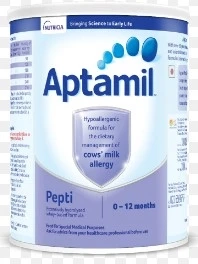
Aptamil Pepti Infant Formula 0 to 12 Months Tin 400gm
Brand: Nutricia International Private Limited
₹2000.00₹1960.00
View Details
Neocate LCP Infant Formula Powder 400GM
Brand: Nutricia International Private Limited
₹3300.00₹3234.00
View Details
Web Stories


Popular Lab Test






Live Doctor consultation
Live Doctor Chat

Fees ₹99
General Physician
Fees ₹99
General Physician
Fees ₹99
General Physician

Dr. Syed Mukhtar Mohiuddin
MBBS, MD , Fellowship in Diabetes Mellitus (UK)
- 7 Years
- English
Available at 00:00 to 07:00
Fees ₹99
General Physician
Fees ₹99
General Physician
Download Our App & Get Consultation from anywhere.