- Published on: Sep 21, 2022
- 4 minute read
- By: Second Medic Expert
What Are The Best Foods To Avoid Dementia?




Dementia is a general term for degenerative brain disorders that lead to declines in cognitive function. There is no one-size-fits-all answer to this question, as the best foods to avoid dementia may vary depending on the individual. However, some common suggestions include avoiding processed foods, eating more whole grains and vegetables, and getting adequate omega-3 fatty acids. Additionally, it’s important to stay active and mentally engaged throughout life – activities like reading, crossword puzzles, and socializing have all been linked with a lower risk of developing dementia.
There isn't a definitive answer to this question since everyone's experience with dementia will be different. However, some general advice would be to avoid processed foods and those high in sugar. Instead, focus on eating plenty of fruits, vegetables, and whole grains. Healthy fats like Omega-3s are also important for cognitive health, so including fish or flaxseed oil in your diet may be beneficial. Ultimately, the best way to reduce your risk of dementia is by maintaining a healthy lifestyle overall. Eating nutritious foods, exercising regularly, and keeping your mind active through activities like reading, puzzles, and socializing will all help keep your brain healthy as you age.
First and foremost, it's important to eat a balanced diet that includes plenty of fresh fruits and vegetables, whole grains, lean proteins, and healthy fats. Getting enough nutrients like omega-3 fatty acids, vitamin B12, and folate is also important for keeping your brain healthy as you age. Additionally, try to limit your intake of sugar and refined carbs as much as possible. Research has linked these foods to an increased risk of dementia. Finally, stay hydrated by drinking plenty of water throughout the day.
Some general tips that may help include avoiding processed foods and sugary drinks, eating plenty of fresh fruits and vegetables, choosing healthy fats such as olive oil and Omega-3 fatty acids, and staying active both mentally and physically. Additionally, it is important to consult with a doctor or registered dietitian to get specific guidance on which foods are best to avoid based on your individual health needs. Remember, the best way to reduce your risk of dementia is by following a healthy lifestyle overall!
There are no specific foods that have been proven to cause or prevent dementia. However, eating a healthy diet as part of a holistic lifestyle may help reduce your risk of developing the condition. Some experts believe that certain nutrients, such as omega-3 fatty acids, antioxidants, and B vitamins, may promote brain health and protect against cognitive decline.
Eating a variety of colorful fruits and vegetables is the best way to get these important nutrients. Foods rich in omega-3 fatty acids include salmon, walnuts, and flaxseeds. Antioxidant-rich foods include berries, dark chocolate, and green leafy vegetables. General recommendations for foods to avoid if you're at risk for dementia include processed meats, refined carbohydrates, sugary beverages, and fried foods. Additionally, it's important toeat a healthy diet overall and to exercise regularly, as both of these behaviours have been linked with a decreased risk of developing dementia.
Dementia is a cognitive disorder that can lead to memory loss and impaired thinking. There is no one definitive answer when it comes to the best foods to avoid Dementia, as different people may have different dietary needs and preferences. However, some general things to keep in mind when trying to Avoid Dementia are to eat plenty of fruits and vegetables, whole grains, and healthy fats like olive oil and fish. Also, limit your intake of refined carbohydrates, saturated fats, sodium, and added sugars. , physical activity has also been shown to be beneficial for brain health, so being active and exercising regularly can also help lower your risk for developing Dimentia.
There is no one-size-fits-all answer to this question, as the best foods to avoid dementia will vary depending on the individual's specific situation and medical history. However, there are some general guidelines that can be followed in terms of diet and nutrition for people who are at risk of developing dementia. There is no single answer to this question as the best foods to avoid dementia may vary depending on the person's individual circumstances and health condition. However, some general tips that may help include avoiding processed foods and sugary drinks, eating plenty of fresh fruits and vegetables, and getting adequate exercise. Also, make sure to get enough sleep and reduce stress levels as these can also contribute to cognitive decline. If you are concerned about your risk of developing dementia, it is best to speak with a doctor or health care professional for specific advice.
The best foods for Dimentia are those that are high in antioxidants, healthy fats, and fiber. Foods like blueberries, dark chocolate, nuts, and seeds are all great for cognitive health. Omega-3 fatty acids found in fish like salmon are also great for brain health. A diet rich in whole foods is always best, but certain supplements like vitamin B12 can be helpful for people with Dementia. Some experts recommend following a Mediterranean diet, which has been linked to improved cognitive function and a reduction in the risk of dementia. This diet focuses on eating plenty of fruits, vegetables, whole grains, fish, and healthy fats like olive oil. Other suggested foods for improving cognitive function include omega-3 fatty acids found in fish and flaxseeds, antioxidants found in berries and dark chocolate, and Ginkgo biloba supplements.
In general, it is important to focus on healthy and nutritious foods that are easy to digest. Foods high in fiber, protein, and healthy fats are all good options, as they provide essential nutrients and can help to keep a person feeling fuller for longer. It is also important to avoid sugary or processed foods, as these can cause blood sugar spikes and troughs which can be very confusing and disruptive.
Lots of research has been conducted on the best foods for dementia and there are definitely some foods that are better than others.Items high in antioxidants, omega-3 fatty acids, and vitamin E have all been shown to be beneficial for cognitive function and possibly help to delay the onset of Alzheimer’s disease. Foods like blueberries, salmon, nuts, avocados, and dark leafy greens are all excellent choices. In addition, staying well-hydrated is important for cognitive health so make sure to drink plenty of water throughout the day. Memory problems are common in dementia, and what we eat can either help or hinder our cognitive function. There are a few nutritional considerations to keep in mind when it comes to dementia and diet.
Studies show that omega-3 fatty acids improve cognitive function and may help to protect against cognitive decline. Good sources of omega-3s include fatty fish such as salmon, swordfish, tuna, herring, sardines, and anchovies; flaxseeds; chia seeds; pumpkin seeds; walnuts; and soybeans. Second, Antioxidants like vitamin E may also help to protect the brain against damage from free radicals.


Best Essential Oils for Stress and Anxiety Relief for Busy Professionals
Modern professional life is demanding. Long working hours, constant deadlines, digital overload and work-life imbalance contribute significantly to stress and anxiety. In India, urban professionals increasingly report burnout, sleep disturbances and emotional fatigue.
While medical care and counselling remain essential for persistent anxiety disorders, natural complementary approaches such as aromatherapy can provide supportive relief. Essential oils offer a convenient, non-invasive way to manage daily stress.
How Essential Oils Help Reduce Stress
Essential oils are concentrated plant extracts containing aromatic compounds. When inhaled, these compounds stimulate the limbic system, the brain region responsible for emotions and stress response.
Potential benefits include:
-
Promoting relaxation
-
Reducing mild anxiety
-
Improving sleep quality
-
Enhancing mood
-
Supporting mental clarity
They are not substitutes for medical treatment but may complement stress management strategies.
1. Lavender Oil – The Most Trusted Calming Oil
Lavender oil is the most researched essential oil for stress and anxiety relief.
Benefits:
-
Reduces nervous tension
-
Improves sleep
-
Eases mild anxiety
-
Promotes emotional calm
Busy professionals experiencing insomnia or racing thoughts may benefit from diffusing lavender oil before bedtime.
2. Chamomile Oil – Gentle Emotional Relaxation
Chamomile oil is widely used for soothing the nervous system.
It may help:
-
Reduce irritability
-
Ease emotional stress
-
Improve sleep
-
Promote relaxation after work
It is ideal for evening relaxation routines.
3. Peppermint Oil – Mental Clarity and Focus
Peppermint oil is energizing and refreshing.
Potential benefits:
-
Improves alertness
-
Reduces fatigue
-
Enhances concentration
-
Relieves tension headaches
It is particularly useful during long working hours or mid-day slumps.
4. Bergamot Oil – Natural Mood Booster
Bergamot oil offers both uplifting and calming effects.
It may:
-
Lower stress hormone levels
-
Improve mood
-
Reduce tension
-
Support emotional balance
Using bergamot in a workspace diffuser may create a calm working environment.
5. Ylang-Ylang Oil – Calms Physical Stress
Ylang-ylang oil may help regulate stress-related physical symptoms.
Benefits include:
-
Reducing heart rate
-
Lowering mild blood pressure
-
Promoting relaxation
-
Supporting emotional balance
It is helpful during periods of intense pressure.
6. Frankincense Oil – Supports Mindfulness
Frankincense is commonly used in meditation practices.
It may help:
-
Slow breathing
-
Enhance focus
-
Reduce anxiety
-
Promote grounding
Professionals practicing meditation may incorporate frankincense into breathing exercises.
Practical Ways to Use Essential Oils
Busy professionals can easily integrate aromatherapy into daily routines:
Diffuser Use
Add 3–5 drops in a diffuser during work or relaxation time.
Roll-On Application
Apply diluted oil to pulse points for quick relief.
Steam Inhalation
Inhale steam infused with essential oils for relaxation.
Bath Therapy
Add a few diluted drops to warm bath water after work.
Safety Guidelines
-
Always dilute essential oils with carrier oils before topical use.
-
Avoid applying directly to sensitive skin.
-
Consult a healthcare provider if pregnant or managing medical conditions.
-
Essential oils should not replace prescribed anxiety medications.
Supporting Lifestyle Habits
Aromatherapy works best when combined with:
-
Regular physical activity
-
Adequate sleep
-
Balanced nutrition
-
Deep breathing exercises
-
Mindfulness meditation
Chronic stress requires comprehensive care.
When to Seek Medical Help
Consult a healthcare professional if you experience:
-
Persistent panic attacks
-
Severe insomnia
-
Heart palpitations
-
Difficulty functioning at work
-
Continuous sadness or hopelessness
Early intervention improves outcomes.
Stress and Mental Health in India
Urban work culture, digital demands and competitive environments contribute to rising anxiety levels among Indian professionals. Preventive mental health strategies, including natural therapies and professional support, are essential in maintaining wellbeing.
Conclusion
Essential oils such as lavender, chamomile, peppermint, bergamot and frankincense may offer natural support for stress and anxiety relief. For busy professionals, these oils provide convenient tools to promote relaxation, improve focus and enhance sleep quality.
However, persistent anxiety symptoms require professional medical evaluation. A balanced approach that combines natural remedies, healthy lifestyle habits and timely medical guidance ensures long-term mental wellbeing.
References
- World Health Organization – Workplace Mental Health Reports
- Indian Journal of Psychiatry – Anxiety Prevalence Studies
- National Mental Health Survey India
- Journal of Alternative and Complementary Medicine – Aromatherapy Research
- National Institute of Mental Health – Anxiety Guidelines




Aptamil Pepti Infant Formula 0 to 12 Months Tin 400gm
Brand: Nutricia International Private Limited
₹2000.00₹1960.00
View Details

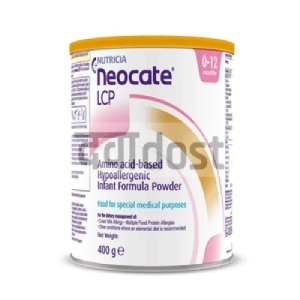
Neocate LCP Infant Formula Powder 400GM
Brand: Nutricia International Private Limited
₹3300.00₹3234.00
View Details
Web Stories


Popular Lab Test






Live Doctor consultation
Live Doctor Chat

Fees ₹99
General Physician
Fees ₹99
General Physician
Fees ₹99
General Physician

Dr. Syed Mukhtar Mohiuddin
MBBS, MD , Fellowship in Diabetes Mellitus (UK)
- 7 Years
- English
Available at 00:00 to 07:00
Fees ₹99
General Physician
Fees ₹99
General Physician
Download Our App & Get Consultation from anywhere.