- Published on: Oct 20, 2021
- 4 minute read
- By: Second Medic Expert
Health Benefits Of Cucumber And Its Role In A Balanced Diet




Can a simple, refreshing cucumber hold the key to a healthier you? Imagine a humble vegetable that's crisp, refreshing, and incredibly versatile. You might be tempted to dismiss cucumbers as mere salad companions or spa accessories, but they are so much more than that. Cucumbers are nature's gift to your well-being, offering a multitude of health benefits that can leave you surprised and inspired.
In this exploration, we venture into the world of cucumbers, unlocking their incredible potential, and understanding why they are a vital component of a balanced diet. From their low-calorie profile to their significant contributions to hydration, skin health, and much more, cucumbers are a true nutritional powerhouse. Let's delve into the world of these green wonders and see how they can elevate your overall well-being.
The Nutritional Powerhouse: Cucumber
Cucumbers are not just water-filled vegetables; they are packed with essential nutrients that can boost your overall health. Let's delve into the nutritional content of cucumbers and the health benefits of cucumbers they bring to the table.
1. Low in Calories, High in Nutrients
Cucumbers are incredibly low in calories, making them an ideal choice for those looking to maintain or lose weight. One cup of sliced cucumber contains only about 16 calories, making it an excellent option for guilt-free snacking. Despite their low caloric content, cucumbers are rich in vitamins and minerals, such as vitamin K, vitamin C, potassium, and magnesium.
2. A Good Source of Vitamin C
Vitamin C is an essential nutrient that plays a crucial role in maintaining the health of your skin, hair, and nails, as well as supporting your immune system. While cucumbers are not as vitamin C-rich as citrus fruits, they still contribute to your daily intake. Including cucumbers in your diet helps ensure you get your daily dose of this important antioxidant vitamin.
3. Excellent Hydration and Detoxification
Cucumbers are composed of over 95% water, making them a fantastic hydrating option. Staying well-hydrated is vital for various bodily functions, including digestion and circulation. Moreover, the high water content in cucumbers aids in flushing out toxins from the body, contributing to overall detoxification.
4. A Rich Source of Antioxidants
Cucumbers are also known for their antioxidant properties. Antioxidants are essential for neutralizing harmful free radicals in the body, which can otherwise lead to chronic diseases and aging. The antioxidants in cucumbers, such as flavonoids and tannins, help protect your cells from oxidative stress.
5. Aiding in Digestion
Cucumbers are an excellent source of dietary fiber, which is essential for maintaining a healthy digestive system. Including fiber-rich foods like cucumbers in your diet can prevent constipation and promote regular bowel movements.
6. Skin Health
Cucumbers are often used in skincare routines because they can be just as beneficial when applied topically. The high water content in cucumbers helps keep your skin hydrated, and the silica content promotes collagen production, keeping your skin looking fresh and youthful.
7. Weight Management
Cucumbers are an excellent addition to a weight management plan due to their low-calorie content, high water content, and fiber. They can help you feel full and satisfied, making it easier to control your calorie intake and manage your weight.
8. Blood Pressure Regulation
Cucumbers are a good source of potassium, which plays a key role in regulating blood pressure. A diet rich in potassium can help lower high blood pressure and reduce the risk of heart disease.
9. Aiding in Bone Health
Vitamin K, found in cucumbers, is vital for bone health. It helps in bone mineralization, which is essential for maintaining strong and healthy bones. Adding cucumbers to your diet can contribute to your daily vitamin K intake.
10. Reducing Inflammation
The antioxidants and anti-inflammatory compounds in cucumbers can help reduce inflammation in the body. This can be beneficial for individuals with conditions like arthritis.
Incorporating Cucumbers into Your Diet
Now that you're aware of the health benefits of cucumbers, it's essential to know how to include them in your diet. Here are some creative ways to enjoy the goodness of cucumbers:
1. Cucumber Salad: Combine sliced cucumbers with tomatoes, red onions, feta cheese, and a drizzle of olive oil and balsamic vinegar for a refreshing salad.
2. Cucumber Smoothie: Blend cucumbers with Greek yogurt, mint, and a touch of honey for a cool and nutritious smoothie.
3. Cucumber Snacks: Sliced cucumbers make a fantastic, guilt-free snack when paired with hummus or a light dip.
4. Cucumber Water: Infuse your water with cucumber slices for a refreshing and hydrating beverage.
5. Cucumber Sushi Rolls: Replace traditional rice with thinly sliced cucumber to create low-carb sushi rolls filled with your favorite ingredients.
6. Cucumber Gazpacho: Prepare a chilled cucumber soup with cucumbers, tomatoes, and a blend of herbs and spices.
Cucumbers: A Versatile, Nutritious Addition to Your Diet
Incorporating cucumbers into your meals is a simple yet effective way to boost your health. So, embrace this crunchy, green superfood and savor all the goodness it brings to your table. Make cucumbers a regular part of your healthy diet, and you'll be well on your way to a healthier, happier you.
Additional Ideas for Cucumber Usage
If you're looking for more inspiration on how to incorporate cucumbers into your meals, consider these creative ideas:
7. Cucumber Wraps: Replace tortillas or bread with large cucumber slices to make healthy and low-carb wraps for your favorite fillings, such as hummus, grilled chicken, or turkey.
8. Cucumber Pickles: Homemade cucumber pickles not only taste great but also provide probiotics that can support your gut health.
9. Cucumber Smoothie Bowl: Blend cucumber, spinach, Greek yogurt, and banana for a refreshing and nutritious smoothie bowl, topped with your favorite fruits and seeds.
10. Cucumber and Avocado Salsa: Create a delightful salsa with diced cucumbers, avocados, tomatoes, cilantro, and a squeeze of lime for a fresh, flavorful dip.
Cucumbers are more than just a garden-fresh addition to your meals. They are packed with essential nutrients, antioxidants, and health benefits that make them a valuable component of a balanced diet. Whether you're aiming for weight management, improved skin health, or better digestion, cucumbers have got you covered. So, next time you're looking for a healthy snack or salad ingredient, don't forget to grab some cucumbers. They are a versatile, low-calorie, and nutritious addition to your diet that can contribute to your overall well-being.
Incorporating cucumbers into your meals is a simple yet effective way to boost your health. So, embrace this crunchy, green superfood and savor all the goodness it brings to your table. Make cucumbers a regular part of your healthy diet, and you'll be well on your way to a healthier, happier you.
Read FAQs
A. The top 10 health benefits of cucumbers include weight management, hydration, skin health, digestion support, antioxidant protection, blood pressure regulation, bone health, inflammation reduction, and immune system support. Cucumbers are also a low-calorie source of essential nutrients.
A. Eating cucumbers daily can lead to improved hydration, better digestion, potential weight management, healthier skin, and support for your immune system. Cucumbers are a nutritious addition to your daily diet due to their low-calorie content and high water and fiber levels.
A. Five key health benefits of cucumbers are hydration, skin health, weight management, digestive support, and antioxidant protection. Cucumbers are an excellent source of vitamins and minerals, making them a valuable addition to a healthy diet.


Why Preventive Healthcare Is More Important Than Treatment: A Smarter Approach to Health
Healthcare systems worldwide are shifting focus from reactive treatment to proactive prevention. While medical treatments have advanced significantly, preventing disease before it develops remains the most effective strategy for long-term health.
Understanding why preventive healthcare is more important than treatment empowers individuals to take control of their wellbeing and reduce future health risks.
What Is Preventive Healthcare?
Preventive healthcare involves measures taken to avoid disease rather than treating it after symptoms appear.
It includes:
-
Routine health checkups
-
Vaccinations
-
Blood pressure monitoring
-
Diabetes screening
-
Cancer screening
-
Healthy lifestyle habits
The goal is early detection and risk reduction.
1. Early Detection Saves Lives
Many serious conditions develop silently, including:
-
Diabetes
-
Hypertension
-
Heart disease
-
Cancer
Regular screening identifies these conditions at an early stage when treatment is more effective and less invasive.
2. Reduces Healthcare Costs
Treating advanced diseases often involves:
-
Hospitalization
-
Surgery
-
Long-term medication
-
Intensive care
Preventive care reduces these costs by identifying risks early and managing them promptly.
3. Improves Quality of Life
Prevention focuses on maintaining optimal health.
Healthy individuals experience:
-
Higher energy levels
-
Better productivity
-
Improved mental wellbeing
-
Reduced stress
Staying healthy enhances overall life satisfaction.
4. Prevents Chronic Diseases
Lifestyle diseases such as obesity, diabetes and cardiovascular disorders are largely preventable.
Preventive measures include:
-
Balanced nutrition
-
Regular exercise
-
Smoking cessation
-
Stress management
These habits significantly lower disease risk.
5. Reduces Complications
Early management prevents complications such as:
-
Kidney damage from diabetes
-
Stroke from uncontrolled hypertension
-
Heart attacks due to high cholesterol
Preventive healthcare minimizes disease progression.
6. Encourages Health Awareness
Routine checkups increase awareness about:
-
Body weight
-
Blood sugar levels
-
Cholesterol
-
Nutritional deficiencies
Awareness motivates positive lifestyle changes.
Preventive Healthcare in the Indian Context
India faces rising rates of lifestyle diseases.
Urbanization, sedentary jobs and dietary changes have increased non-communicable diseases.
Preventive healthcare initiatives such as annual health screenings and awareness programs are critical to reducing the national disease burden.
Key Components of Preventive Care
Regular Health Screenings
-
Blood pressure checks
-
Blood sugar tests
-
Lipid profile
-
Thyroid tests
Vaccinations
-
Influenza
-
Hepatitis
-
COVID-19
-
Tetanus
Vaccines prevent infectious diseases.
Lifestyle Modification
-
Healthy diet
-
Daily exercise
-
Adequate sleep
-
Stress reduction
These form the foundation of prevention.
Treatment vs Prevention: A Comparison
Prevention |
Treatment |
Focuses on avoiding disease |
Focuses on managing disease |
Lower cost |
Higher cost |
Less invasive |
Often invasive |
Long-term benefits |
May involve side effects |
Prevention reduces risk before complications arise.
When Should Preventive Care Begin?
Preventive healthcare is important at every stage of life.
Adults above 30 years should undergo annual health checkups, especially if they have:
-
Family history of chronic disease
-
Sedentary lifestyle
-
Obesity
-
Smoking habits
Early intervention makes a measurable difference.
Overcoming Barriers to Prevention
Common challenges include:
-
Lack of time
-
Fear of diagnosis
-
Financial concerns
Solutions involve:
-
Corporate health programs
-
Insurance coverage for screenings
-
Digital health platforms
Encouraging routine checkups improves participation.
The Long-Term Impact of Prevention
Consistent preventive care leads to:
-
Increased life expectancy
-
Reduced healthcare burden
-
Improved economic productivity
-
Healthier communities
Healthy populations contribute to national growth.
Conclusion
Preventive healthcare is more important than treatment because it addresses health risks before they escalate into serious conditions. Early detection, regular screenings and healthy lifestyle habits reduce disease burden, save costs and improve quality of life.
While treatment remains essential when illness occurs, prevention offers a smarter and more sustainable approach to long-term wellbeing.
Taking proactive steps today can protect your health for years to come. Prevention is not just a medical strategy — it is a commitment to a healthier future.
References
-
Indian Council of Medical Research – Preventive Health Reports
-
World Health Organization – Preventive Healthcare Guidelines
-
National Family Health Survey – Lifestyle Disease Data
-
NITI Aayog – Health Strategy Reports
-
Lancet Global Health – Preventive Medicine Research



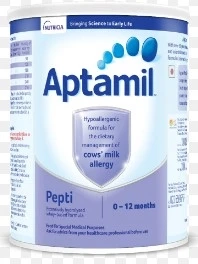
Aptamil Pepti Infant Formula 0 to 12 Months Tin 400gm
Brand: Nutricia International Private Limited
₹2000.00₹1960.00
View Details

Neocate LCP Infant Formula Powder 400GM
Brand: Nutricia International Private Limited
₹3300.00₹3234.00
View Details
Web Stories


Popular Lab Test






Live Doctor consultation
Live Doctor Chat

Fees ₹99
General Physician
Fees ₹99
General Physician
Fees ₹99
General Physician

Dr. Syed Mukhtar Mohiuddin
MBBS, MD , Fellowship in Diabetes Mellitus (UK)
- 7 Years
- English
Available at 00:00 to 07:00
Fees ₹99
General Physician
Fees ₹99
General Physician
Download Our App & Get Consultation from anywhere.