- Published on: Aug 12, 2021
- 2 minute read
- By: SecondMedic Expert
Awareness Of Mental Health Its Basis And Importance




Have you ever given the complex issues of mental health any thought at all? What is contained in its domain? In a world where physical health is generally the center of attention, mental health is sometimes cast into the background by social stigma and misconceptions. However, what exactly is mental health, and why is it worthy of our serious consideration? Come along with us as we take a deep dive into the mysteries of mental health and reveal the truth about it.
Awareness of the Basic Rules of Mental Health
-
Defining Mental Health: Mental health encompasses our emotional, psychological, and social well-being. It influences how we think, feel, and act, shaping our daily lives and interactions.
-
Mental Health vs. Mental Illness: While mental health refers to overall well-being, mental illness pertains to conditions that affect one's thinking, mood, or behavior. Understanding this distinction is crucial in promoting mental health awareness.
-
Anxiety Disorders and Depressive Symptoms: Anxiety disorders and depressive symptoms are common manifestations of mental health challenges. They can significantly impact an individual's quality of life and functioning.
Improving Our Knowledge of Mental Health Conditions
-
Exploring Mental Health Diseases: Mental health diseases encompass a wide range of conditions, from anxiety and depression to schizophrenia and bipolar disorder. Each condition presents unique challenges and symptoms.
-
Symptoms and Effects: Symptoms of mental health diseases vary but may include persistent sadness, excessive worry, hallucinations, or erratic behavior. These symptoms can disrupt daily life and strain relationships.
-
The Importance of Early Intervention: Recognizing the signs of mental health diseases early can facilitate timely intervention and treatment. It's essential to seek help from qualified professionals to address these concerns effectively.
Mental Health Description and Online Doctor Consultation
-
Breaking the Stigma: Openly discussing mental health and seeking support can help break the stigma surrounding mental illness. By fostering a supportive environment, individuals are more likely to reach out for help without fear of judgment.
-
Understanding Mental Health Description: Describing mental health accurately involves acknowledging its complexities and nuances. It's not merely the absence of illness but a state of well-being where individuals can cope with life's challenges, work productively, and contribute to their communities.
-
The Role of Online Doctor Consultation: In today's digital age, online doctor consultation offers convenience and accessibility for individuals seeking mental health support. Virtual platforms provide a safe space to discuss concerns and receive professional guidance from licensed therapists or psychiatrists.
Mental Health Awareness and Support
-
Promoting Self-Care: Prioritizing self-care activities such as exercise, mindfulness, and adequate sleep can positively impact mental health. Encouraging healthy lifestyle habits is key to maintaining overall well-being.
-
Seeking Professional Help: If you or someone you know is struggling with mental health challenges, don't hesitate to seek professional help. Whether through online doctor consultation or traditional therapy, reaching out is the first step towards healing.
-
Advocating for Mental Health Awareness: Spread awareness about the importance of mental health in your community and beyond. Educate others, challenge stigma, and support initiatives that promote mental wellness for all.
Conclusion:
In essence, mental health transcends mere absence of illness—it embodies a cornerstone of holistic well-being. Through understanding its nuances, discerning signs of mental illness, and fostering support and awareness, we pave the path for a world where everyone can flourish mentally and emotionally. Let's unite in prioritizing mental health, extending hands of support on this journey towards comprehensive wellness.Remember, in the pursuit of mental health, you are not alone; assistance is readily available. Together, let's forge a brighter, healthier future—one where mental well-being isn't just prioritized but ingrained in our collective consciousness.As we navigate life's complexities, let's uphold compassion, empathy, and solidarity, creating a society where mental health thrives as a fundamental aspect of our shared existence. Together, we can break barriers, dissolve stigma, and foster an environment where everyone can flourish, embracing the richness of mental wellness.
Read FAQs
A. Mental health awareness is about understanding, acknowledging, and destigmatizing mental well-being issues. It's crucial for fostering empathy and support for those facing mental health challenges, encouraging access to resources and treatment, and promoting overall well-being.
A. Mental health basics involve understanding and managing emotions, maintaining healthy relationships, practicing self-care, and seeking support when needed. It also includes awareness of mental health issues, early intervention, and access to appropriate treatment.
A. Self-awareness and self-care are paramount in mental health. Recognizing and addressing one's emotions, seeking help when necessary, and nurturing supportive relationships are key to maintaining optimal mental well-being.

Best Essential Oils for Stress and Anxiety Relief for Busy Professionals
Modern professional life is demanding. Long working hours, constant deadlines, digital overload and work-life imbalance contribute significantly to stress and anxiety. In India, urban professionals increasingly report burnout, sleep disturbances and emotional fatigue.
While medical care and counselling remain essential for persistent anxiety disorders, natural complementary approaches such as aromatherapy can provide supportive relief. Essential oils offer a convenient, non-invasive way to manage daily stress.
How Essential Oils Help Reduce Stress
Essential oils are concentrated plant extracts containing aromatic compounds. When inhaled, these compounds stimulate the limbic system, the brain region responsible for emotions and stress response.
Potential benefits include:
-
Promoting relaxation
-
Reducing mild anxiety
-
Improving sleep quality
-
Enhancing mood
-
Supporting mental clarity
They are not substitutes for medical treatment but may complement stress management strategies.
1. Lavender Oil – The Most Trusted Calming Oil
Lavender oil is the most researched essential oil for stress and anxiety relief.
Benefits:
-
Reduces nervous tension
-
Improves sleep
-
Eases mild anxiety
-
Promotes emotional calm
Busy professionals experiencing insomnia or racing thoughts may benefit from diffusing lavender oil before bedtime.
2. Chamomile Oil – Gentle Emotional Relaxation
Chamomile oil is widely used for soothing the nervous system.
It may help:
-
Reduce irritability
-
Ease emotional stress
-
Improve sleep
-
Promote relaxation after work
It is ideal for evening relaxation routines.
3. Peppermint Oil – Mental Clarity and Focus
Peppermint oil is energizing and refreshing.
Potential benefits:
-
Improves alertness
-
Reduces fatigue
-
Enhances concentration
-
Relieves tension headaches
It is particularly useful during long working hours or mid-day slumps.
4. Bergamot Oil – Natural Mood Booster
Bergamot oil offers both uplifting and calming effects.
It may:
-
Lower stress hormone levels
-
Improve mood
-
Reduce tension
-
Support emotional balance
Using bergamot in a workspace diffuser may create a calm working environment.
5. Ylang-Ylang Oil – Calms Physical Stress
Ylang-ylang oil may help regulate stress-related physical symptoms.
Benefits include:
-
Reducing heart rate
-
Lowering mild blood pressure
-
Promoting relaxation
-
Supporting emotional balance
It is helpful during periods of intense pressure.
6. Frankincense Oil – Supports Mindfulness
Frankincense is commonly used in meditation practices.
It may help:
-
Slow breathing
-
Enhance focus
-
Reduce anxiety
-
Promote grounding
Professionals practicing meditation may incorporate frankincense into breathing exercises.
Practical Ways to Use Essential Oils
Busy professionals can easily integrate aromatherapy into daily routines:
Diffuser Use
Add 3–5 drops in a diffuser during work or relaxation time.
Roll-On Application
Apply diluted oil to pulse points for quick relief.
Steam Inhalation
Inhale steam infused with essential oils for relaxation.
Bath Therapy
Add a few diluted drops to warm bath water after work.
Safety Guidelines
-
Always dilute essential oils with carrier oils before topical use.
-
Avoid applying directly to sensitive skin.
-
Consult a healthcare provider if pregnant or managing medical conditions.
-
Essential oils should not replace prescribed anxiety medications.
Supporting Lifestyle Habits
Aromatherapy works best when combined with:
-
Regular physical activity
-
Adequate sleep
-
Balanced nutrition
-
Deep breathing exercises
-
Mindfulness meditation
Chronic stress requires comprehensive care.
When to Seek Medical Help
Consult a healthcare professional if you experience:
-
Persistent panic attacks
-
Severe insomnia
-
Heart palpitations
-
Difficulty functioning at work
-
Continuous sadness or hopelessness
Early intervention improves outcomes.
Stress and Mental Health in India
Urban work culture, digital demands and competitive environments contribute to rising anxiety levels among Indian professionals. Preventive mental health strategies, including natural therapies and professional support, are essential in maintaining wellbeing.
Conclusion
Essential oils such as lavender, chamomile, peppermint, bergamot and frankincense may offer natural support for stress and anxiety relief. For busy professionals, these oils provide convenient tools to promote relaxation, improve focus and enhance sleep quality.
However, persistent anxiety symptoms require professional medical evaluation. A balanced approach that combines natural remedies, healthy lifestyle habits and timely medical guidance ensures long-term mental wellbeing.
References
- World Health Organization – Workplace Mental Health Reports
- Indian Journal of Psychiatry – Anxiety Prevalence Studies
- National Mental Health Survey India
- Journal of Alternative and Complementary Medicine – Aromatherapy Research
- National Institute of Mental Health – Anxiety Guidelines


Aptamil Pepti Infant Formula 0 to 12 Months Tin 400gm
Brand: Nutricia International Private Limited
₹2000.00₹1960.00
View Details
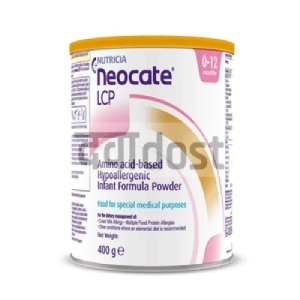
Neocate LCP Infant Formula Powder 400GM
Brand: Nutricia International Private Limited
₹3300.00₹3234.00
View Details
Web Stories


Popular Lab Test






Live Doctor consultation
Live Doctor Chat

Fees ₹99
General Physician
Fees ₹99
General Physician
Fees ₹99
General Physician

Dr. Syed Mukhtar Mohiuddin
MBBS, MD , Fellowship in Diabetes Mellitus (UK)
- 7 Years
- English
Available at 00:00 to 07:00
Fees ₹99
General Physician
Fees ₹99
General Physician
Download Our App & Get Consultation from anywhere.