- Published on: Sep 08, 2021
- 4 minute read
- By: Dr Rakesh Rai
What Is The Main Cause Of Hepatitis & What Happens If You Have Hepatitis?




What is the main cause of hepatitis & What happens if you have hepatitis?
The virus is the most common cause, but auto-immune hepatitis can also occur when the body's immune system attacks and destroys its own kidney cells. Hepatitis is primarily caused by a virus, but there are many other possibilities. A viral infection is the primary cause of hepatitis. And various types of viruses can lead to hepatitis-- some fairly benign, some very serious—such as cytomegalovirus (CMV) and Epstein-Barr virus (EBV).
The main cause of hepatitis is the Hepatitis A virus (HAV). Hepatitis B virus (HBV) and Hepatitis C virus (HCV) can also cause acute hepatitis, but they are responsible for the majority of chronic cases. Chronic hepatic problems may result in the development of cirrhosis or liver cancer, which can be ultimately fatal. It's also possible for an individual to experience co-infection with HAV and HBB/HCV without knowing it since some people infected with HAV do not show any symptoms.
The human body typically gets rid of the virus in 1-3 months or so without needing any help from drugs or therapies, but about 15% to 40% of people infected with hepatitis A see their symptoms persist for 6 months to 3 years. This can be especially hard on people who are young and otherwise healthy because it often results in interruption of school or work life, not to mention the loss of self-esteem which can damage personal relationships.
Permanently resolving this requires active participation by both doctor and patient; unfortunately, many factors combine to reduce the likelihood that someone will recover completely naturally, including an existing chronic liver disease like cirrhosis (in which case
The main cause of hepatitis is bacteria, viruses, fungi, parasites and chemical substances that damage the liver. The secondary causes may be alcohol abuse or chronic fatty liver disease.
A damaged or diseased liver can lead to alcoholic cirrhosis and other diseases such as spontaneous bacterial peritonitis and encephalopathy.
Hepatitis refers broadly to any inflammatory disorder involving the liver, a diverse organ having many functions in the body. The immune system's response damages hepatocytes - cells that form bile ducts to remove toxins from the blood, produce clotting proteins for blood clots, store energy from food in glycogen so it can be used later when glucose supply from food runs low after starvation occurs.
Some viruses, but more often a drug or toxin that irritates the liver. Drugs and other toxins that can damage the liver include industrial solvents like ammonia, industrial chemicals like benzene, alcohol, acetaminophen (Tylenol), erythromycin (mostly taken to decrease antibiotic resistance), tetracycline antibiotic with surgery concurrent antibiotics), drugs for prevention of malaria such as chloroquine plus proguanil or mefloquine with surgery concurrent clindamycin plus primaquine) and ursodeoxycholic acid.
In adults, viral hepatitis is the most common cause of infectious chronic liver disease, and it's often spread by close contact. In children, foodborne outbreaks are more common. Your body's immune system is a major cause of hepatitis and can be activated by something like a viral infection.
The key to understanding liver disease comes when you realize that the immune system - via T cells and B cells; NK cells; macrophages and natural killer (NK) cells - create inflammation in your gut which ultimately drains into your liver. And when these "Do-or-Die" T lymphocytes or "natural killer" (NK) cell attacks occur it triggers scarring in various regions of your liver which leads to cirrhosis.
The main cause of hepatitis is viral, but it's important to note that there are two types of hepatic viruses that can cause this condition. The first is Hepatitis A (HAV), which comes from fecal matter and is usually spread by food or water contaminated with infected feces. The second type of virus, Hepatitis B (HBV) comes from blood contact, sexual intercourse, or childbirth; however, both types can be transmitted through blood transfusion or drug use (especially needles). According to the Centers for Disease Control and Prevention (CDC), HAV affects about 150 Americans each year; HBV affects roughly 2 million people annually.
The main cause of hepatitis is the virus. But there are other causes including bad hygiene, drinking contaminated water or using dirty injections needles. Furthermore, the hepatitis viruses may spread from an infected mother carrying the disease to her unborn child before it's even born! That can lead to two very different types of hepatitis - one that has a strong reaction where the pregnant woman develops significant liver damage and another that barely affects her at all. And then of course not surprisingly- people who already have chronic health conditions such as diabetes or cirrhosis (liver scarring) and those with weak immune systems due to age or chemotherapy for cancer patients with low white blood cell counts can be more prone to experiencing a chronic infection.
Hepatitis is an inflammation of the liver. It can be caused by either viruses or toxins, including alcohol and prescription medications. Symptoms may include fever, loss of appetite, nausea, vomiting pain in the right side below the ribs when taking deep breaths. The most common type in America is Hepatitis A which you get from sharing food or drinks that are contaminated with tiny amounts of stool from infected people; also known as "gastroenteritis." Getting vaccinated prevents the most acute form usually found in children
Hepatitis is an inflammation of the liver caused by viruses, alcohol, medication. With hepatitis A virus - the symptoms are nausea, vomiting, diarrhea, abdominal pain, and fever. The patient may also have jaundice or low levels of proteins within their blood. Hepatitis B virus - It's usually transmitted through contact with infected blood or other sharps objects such as needles. The symptoms can take up to 6 months before showing signs and it may include dark urine and light-colored stools, joint pain in the lower part of arms and legs (joints hurt worse when pressed) personality changes together with depression phase feelings such as irritability or sadness for no reason at all fatigue along with soreness. If the infection is acute then there may be nausea, vomiting, diarrhea, stomach pain, and jaundice. If chronic then fatigue, loss of appetite, and liver damage may occur.
We recommend immunization for Hepatitis A with the appropriate protection against Hepatitis B with appropriate protection against Hepatitis C with appropriate protection against Herpes Simplex Virus 2 (genital herpes).
Hepatitis is the inflammation of the liver. If you have acute hepatitis, there are often no symptoms associated with it; if you have chronic hepatitis, the most common symptom is fatigue. You can't get Hepatitis from drinking alcohol or eating too much greasy food (unless it's cooked in oil that hasn't been cleaned). You also don't get it by sharing personal items like towels or razors with an infected person.
A person with Hepatitis may feel tired, be pale and lose weight. They may not look sick but can carry the virus that damages their liver. The symptoms of HAV (hepatitis A) last only a few weeks to a couple of months, while symptoms from Hepatitis B can last six months or more; in both cases, there is no specific treatment.
Most people recover fully, and the liver will regain its former function without any need for transplantation or medical intervention in most cases but is often permanently damaged and scarred in others with chronic infections. Hepatitis C sometimes results in severe cirrhosis after decades of infection because it does not cause symptoms until late-stage disease when signs
Hepatitis is an unfortunate and contagious liver disease that we see in at least 500,000 people every year. Hepatitis can be caused by either a virus or a toxin/irritant such as alcohol. Symptoms include jaundice (yellow skin), dark urine, sudden fever that isn't relieved with antibiotics or acetaminophen, abdominal discomfort, and pain that doesn't feel like dysentery - which are hallmarks of the toxic type of hepatitis. Many times, you'll have elevated levels of bilirubin in the blood followed by the destruction of red blood cells due to obstruction of bile ducts if not treated early on.


Vitamin D Deficiency Symptoms: Signs Your Body May Be Lacking Vitamin D
Vitamin D is an essential nutrient that plays a vital role in maintaining strong bones, supporting the immune system and regulating several important functions in the body. Despite its importance, vitamin D deficiency is one of the most common nutritional deficiencies worldwide.
In India, vitamin D deficiency has become increasingly prevalent due to lifestyle factors such as limited sunlight exposure, indoor working environments and dietary habits. According to the Indian Council of Medical Research (ICMR), a significant percentage of the population may have insufficient vitamin D levels.
Recognizing the symptoms of vitamin D deficiency early is important because prolonged deficiency can lead to serious health complications affecting bones, muscles and overall wellbeing.
What Is Vitamin D and Why Is It Important?
Vitamin D is often called the “sunshine vitamin” because the body produces it when the skin is exposed to sunlight. It plays a key role in calcium absorption, which is essential for maintaining healthy bones and teeth.
In addition to bone health, vitamin D supports several important functions including:
immune system regulation
muscle function
inflammation control
hormonal balance
Low levels of vitamin D can disrupt these functions and contribute to various health problems.
Common Symptoms of Vitamin D Deficiency
Vitamin D deficiency can manifest through several symptoms, many of which are often overlooked or mistaken for other health issues.
Persistent Fatigue
Constant tiredness or low energy levels may be one of the earliest signs of vitamin D deficiency. Even after adequate rest, individuals with low vitamin D levels may continue to feel exhausted.
Vitamin D plays a role in cellular energy production, and insufficient levels may contribute to chronic fatigue.
Bone and Back Pain
One of the most well-known effects of vitamin D deficiency is bone discomfort. Vitamin D helps the body absorb calcium, which is essential for maintaining bone strength.
Low vitamin D levels may cause:
bone pain
lower back pain
increased risk of fractures
Persistent bone discomfort should be evaluated by a healthcare professional.
Muscle Weakness
Vitamin D is important for muscle health and function. Deficiency can lead to muscle weakness, cramps or general muscle fatigue.
Older adults with vitamin D deficiency may also experience reduced mobility and increased risk of falls.
Frequent Illness or Infections
Vitamin D plays a key role in supporting the immune system. Individuals with low vitamin D levels may experience frequent colds, infections or slower recovery from illness.
Research suggests that adequate vitamin D levels help strengthen immune defenses against respiratory infections.
Mood Changes and Depression
Vitamin D may influence brain function and mood regulation. Some studies have found a connection between low vitamin D levels and mood disorders such as depression or anxiety.
People experiencing persistent mood changes should consider evaluating vitamin levels as part of a broader health assessment.
Hair Loss
Severe vitamin D deficiency may contribute to hair thinning or hair loss. While hair loss can have multiple causes, nutritional deficiencies including vitamin D deficiency may play a role.
Slow Wound Healing
Vitamin D contributes to the body’s inflammatory response and tissue repair processes. Individuals with deficiency may notice slower wound healing or delayed recovery from injuries.
Who Is at Risk of Vitamin D Deficiency?
Several factors can increase the risk of vitamin D deficiency.
Limited Sun Exposure
People who spend most of their time indoors or use strong sun protection regularly may not receive enough sunlight to produce sufficient vitamin D.
Urban lifestyles and indoor work environments contribute to this problem.
Older Adults
As people age, the skin becomes less efficient at producing vitamin D from sunlight. Older adults may therefore require additional dietary intake or supplements.
Individuals with Darker Skin
Melanin reduces the skin’s ability to produce vitamin D from sunlight. Individuals with darker skin tones may require longer sun exposure to produce adequate levels.
Poor Dietary Intake
Few foods naturally contain vitamin D. Diets lacking fortified foods, dairy products or fatty fish may contribute to deficiency.
Medical Conditions
Certain medical conditions such as kidney disease, liver disease or digestive disorders can affect vitamin D absorption and metabolism.
How Is Vitamin D Deficiency Diagnosed?
Vitamin D deficiency is diagnosed through a simple blood test that measures the level of 25-hydroxyvitamin D in the bloodstream.
Doctors may recommend testing for individuals who experience symptoms of deficiency or belong to high-risk groups.
Early diagnosis allows healthcare providers to recommend appropriate treatment and lifestyle adjustments.
How to Improve Vitamin D Levels
Sunlight Exposure
Regular sunlight exposure is one of the most effective ways to increase vitamin D levels. Experts generally recommend 10 to 30 minutes of sunlight exposure several times per week, depending on skin type and location.
Dietary Sources of Vitamin D
Although limited, certain foods contain vitamin D, including:
fatty fish such as salmon and mackerel
egg yolks
fortified milk and cereals
mushrooms
Including these foods in the diet can help maintain healthy vitamin D levels.
Vitamin D Supplements
In cases of significant deficiency, doctors may recommend vitamin D supplements. The dosage depends on the individual’s vitamin levels, age and health status.
It is important to take supplements under medical supervision to avoid excessive intake.
Preventing Vitamin D Deficiency
Maintaining adequate vitamin D levels requires a balanced combination of sunlight exposure, proper nutrition and regular health monitoring.
Routine health checkups and vitamin testing can help identify deficiencies early and prevent complications.
Adopting a healthy lifestyle with balanced nutrition and outdoor activity can significantly improve vitamin D status and overall health.
Conclusion
Vitamin D deficiency is a common but often overlooked health concern. Symptoms such as fatigue, bone pain, muscle weakness and frequent infections may indicate low vitamin D levels.
Early detection and proper management are essential to prevent long-term health complications. By ensuring adequate sunlight exposure, maintaining a balanced diet and undergoing regular health checkups, individuals can support healthy vitamin D levels and improve overall wellbeing.
Recognizing the warning signs of vitamin D deficiency and seeking timely medical advice can help protect long-term health and maintain optimal body function.
References
-
Indian Council of Medical Research (ICMR) – Nutritional Deficiency Reports
-
World Health Organization (WHO) – Micronutrient Deficiency Guidelines
-
National Institute of Nutrition (NIN) India – Vitamin D Research Reports
-
Lancet Public Health – Nutritional Health Studies
-
National Institutes of Health (NIH) – Vitamin D Fact Sheets for Health Professionals


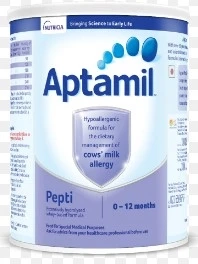
Aptamil Pepti Infant Formula 0 to 12 Months Tin 400gm
Brand: Nutricia International Private Limited
₹2000.00₹1960.00
View Details

Neocate LCP Infant Formula Powder 400GM
Brand: Nutricia International Private Limited
₹3300.00₹3234.00
View Details
Web Stories


Popular Lab Test






Live Doctor consultation
Live Doctor Chat

Fees ₹99
General Physician

Dr. Syed Mukhtar Mohiuddin
MBBS, MD , Fellowship in Diabetes Mellitus (UK)
- 7 Years
- English
Available at 00:00 to 07:00
Fees ₹99
General Physician
Fees ₹99
General Physician
Fees ₹99
General Physician
Fees ₹99
General Physician
Download Our App & Get Consultation from anywhere.