- Published on: Feb 20, 2026
- 3 minute read
- By: Secondmedic Expert
Zincovit Tablets: Uses, Benefits, Dosage, And Side Effects Explained




Nutritional deficiencies are common in India due to irregular diets, stress, fast-paced lifestyles and increased health demands. Multivitamin supplements are often recommended to support overall health, immunity and energy levels. One commonly prescribed supplement is Zincovit tablets.
This comprehensive guide explains what Zincovit is, its uses, benefits, dosage recommendations and potential side effects.
What Are Zincovit Tablets?
Zincovit is a multivitamin and multimineral supplement that contains:
-
Zinc
-
Vitamin C
-
B-complex vitamins
-
Vitamin A
-
Vitamin D
-
Vitamin E
-
Selenium and other antioxidants
It is commonly prescribed to address nutritional deficiencies and support immune function.
Uses of Zincovit Tablets
Zincovit may be recommended for:
1. Nutritional Deficiencies
Helps replenish low vitamin and mineral levels due to poor diet or illness.
2. Weak Immunity
Zinc and vitamin C support immune system function.
3. Recovery After Illness
Often prescribed during recovery from infections, surgery or prolonged weakness.
4. Fatigue and Low Energy
B vitamins help improve energy metabolism.
5. Hair and Skin Health
Zinc and antioxidants may support healthy skin and hair.
Benefits of Zincovit Tablets
Immune Support
Zinc plays a vital role in immune cell function.
Antioxidant Protection
Vitamins C and E help reduce oxidative stress.
Improved Energy Levels
B-complex vitamins aid in converting food into energy.
Better Nutritional Balance
Supports individuals with dietary gaps.
Support During Stress
Stress can deplete nutrients; supplementation may help maintain balance.
Recommended Dosage
-
Adults: Usually one tablet daily after meals
-
Children: Only if prescribed by a pediatrician
-
Duration: As advised by healthcare professional
Do not exceed recommended dosage without medical guidance.
How to Take Zincovit
-
Take after food to prevent stomach irritation
-
Swallow whole with water
-
Avoid taking with high-calcium foods unless advised
Consistency improves effectiveness.
Possible Side Effects
Zincovit is generally well tolerated. However, some individuals may experience:
-
Nausea
-
Mild stomach discomfort
-
Metallic taste
-
Constipation or diarrhea (rare)
Severe allergic reactions are uncommon but require immediate medical attention.
Who Should Use Caution?
Consult a doctor before taking Zincovit if you have:
-
Kidney disorders
-
Liver disease
-
Thyroid problems
-
Known allergies to supplement components
Pregnant and breastfeeding women should seek medical advice before use.
Can Zincovit Be Taken Long-Term?
Short-term use for deficiency correction is common. Long-term use should be monitored by a healthcare provider to avoid excessive intake of certain vitamins or minerals.
Excess zinc intake may interfere with copper absorption if taken excessively over time.
Zincovit and Immunity in India
With increasing concern about immunity and viral infections, supplements containing zinc and antioxidants have gained popularity. However, supplements should complement — not replace — a balanced diet rich in:
-
Fruits
-
Vegetables
-
Whole grains
-
Protein sources
Healthy lifestyle habits remain essential.
When to Consult a Doctor
Seek medical advice if you experience:
-
Persistent fatigue
-
Recurrent infections
-
Unexplained weight loss
-
Severe weakness
These may indicate underlying medical conditions beyond nutritional deficiency.
Balanced Nutrition Still Matters
Supplements cannot substitute a healthy diet. Combine Zincovit with:
-
Proper hydration
-
Regular exercise
-
Adequate sleep
-
Stress management
This ensures overall wellness.
Conclusion
Zincovit tablets are widely used multivitamin supplements that support immunity, energy levels and overall nutritional balance. When taken in recommended doses, they are generally safe and beneficial for individuals with dietary deficiencies or increased nutritional needs.
However, supplements should be used responsibly and under medical guidance, especially for long-term use. Maintaining a healthy diet and lifestyle remains the foundation of good health.
If you are unsure whether Zincovit is right for you, consult a healthcare professional for personalized advice.
References
-
Indian Council of Medical Research – Nutrient Guidelines
-
World Health Organization – Micronutrient Recommendations
-
National Health Portal India – Supplement Safety
-
Journal of Clinical Nutrition – Zinc and Immunity Studies
-
National Institute of Nutrition India – Dietary Guidelines
Read FAQs
A. It is used to prevent or treat vitamin and mineral deficiencies.
A. Yes, it supports immune function due to zinc and antioxidants.
A. Typically one tablet daily after meals unless prescribed otherwise.
Read Blog 

immune system regulation
bone pain
fatty fish such as salmon and mackerel
Vitamin D Deficiency Symptoms: Signs Your Body May Be Lacking Vitamin D
Vitamin D is an essential nutrient that plays a vital role in maintaining strong bones, supporting the immune system and regulating several important functions in the body. Despite its importance, vitamin D deficiency is one of the most common nutritional deficiencies worldwide.
In India, vitamin D deficiency has become increasingly prevalent due to lifestyle factors such as limited sunlight exposure, indoor working environments and dietary habits. According to the Indian Council of Medical Research (ICMR), a significant percentage of the population may have insufficient vitamin D levels.
Recognizing the symptoms of vitamin D deficiency early is important because prolonged deficiency can lead to serious health complications affecting bones, muscles and overall wellbeing.
What Is Vitamin D and Why Is It Important?
Vitamin D is often called the “sunshine vitamin” because the body produces it when the skin is exposed to sunlight. It plays a key role in calcium absorption, which is essential for maintaining healthy bones and teeth.
In addition to bone health, vitamin D supports several important functions including:
immune system regulation
muscle function
inflammation control
hormonal balance
Low levels of vitamin D can disrupt these functions and contribute to various health problems.
Common Symptoms of Vitamin D Deficiency
Vitamin D deficiency can manifest through several symptoms, many of which are often overlooked or mistaken for other health issues.
Persistent Fatigue
Constant tiredness or low energy levels may be one of the earliest signs of vitamin D deficiency. Even after adequate rest, individuals with low vitamin D levels may continue to feel exhausted.
Vitamin D plays a role in cellular energy production, and insufficient levels may contribute to chronic fatigue.
Bone and Back Pain
One of the most well-known effects of vitamin D deficiency is bone discomfort. Vitamin D helps the body absorb calcium, which is essential for maintaining bone strength.
Low vitamin D levels may cause:
bone pain
lower back pain
increased risk of fractures
Persistent bone discomfort should be evaluated by a healthcare professional.
Muscle Weakness
Vitamin D is important for muscle health and function. Deficiency can lead to muscle weakness, cramps or general muscle fatigue.
Older adults with vitamin D deficiency may also experience reduced mobility and increased risk of falls.
Frequent Illness or Infections
Vitamin D plays a key role in supporting the immune system. Individuals with low vitamin D levels may experience frequent colds, infections or slower recovery from illness.
Research suggests that adequate vitamin D levels help strengthen immune defenses against respiratory infections.
Mood Changes and Depression
Vitamin D may influence brain function and mood regulation. Some studies have found a connection between low vitamin D levels and mood disorders such as depression or anxiety.
People experiencing persistent mood changes should consider evaluating vitamin levels as part of a broader health assessment.
Hair Loss
Severe vitamin D deficiency may contribute to hair thinning or hair loss. While hair loss can have multiple causes, nutritional deficiencies including vitamin D deficiency may play a role.
Slow Wound Healing
Vitamin D contributes to the body’s inflammatory response and tissue repair processes. Individuals with deficiency may notice slower wound healing or delayed recovery from injuries.
Who Is at Risk of Vitamin D Deficiency?
Several factors can increase the risk of vitamin D deficiency.
Limited Sun Exposure
People who spend most of their time indoors or use strong sun protection regularly may not receive enough sunlight to produce sufficient vitamin D.
Urban lifestyles and indoor work environments contribute to this problem.
Older Adults
As people age, the skin becomes less efficient at producing vitamin D from sunlight. Older adults may therefore require additional dietary intake or supplements.
Individuals with Darker Skin
Melanin reduces the skin’s ability to produce vitamin D from sunlight. Individuals with darker skin tones may require longer sun exposure to produce adequate levels.
Poor Dietary Intake
Few foods naturally contain vitamin D. Diets lacking fortified foods, dairy products or fatty fish may contribute to deficiency.
Medical Conditions
Certain medical conditions such as kidney disease, liver disease or digestive disorders can affect vitamin D absorption and metabolism.
How Is Vitamin D Deficiency Diagnosed?
Vitamin D deficiency is diagnosed through a simple blood test that measures the level of 25-hydroxyvitamin D in the bloodstream.
Doctors may recommend testing for individuals who experience symptoms of deficiency or belong to high-risk groups.
Early diagnosis allows healthcare providers to recommend appropriate treatment and lifestyle adjustments.
How to Improve Vitamin D Levels
Sunlight Exposure
Regular sunlight exposure is one of the most effective ways to increase vitamin D levels. Experts generally recommend 10 to 30 minutes of sunlight exposure several times per week, depending on skin type and location.
Dietary Sources of Vitamin D
Although limited, certain foods contain vitamin D, including:
fatty fish such as salmon and mackerel
egg yolks
fortified milk and cereals
mushrooms
Including these foods in the diet can help maintain healthy vitamin D levels.
Vitamin D Supplements
In cases of significant deficiency, doctors may recommend vitamin D supplements. The dosage depends on the individual’s vitamin levels, age and health status.
It is important to take supplements under medical supervision to avoid excessive intake.
Preventing Vitamin D Deficiency
Maintaining adequate vitamin D levels requires a balanced combination of sunlight exposure, proper nutrition and regular health monitoring.
Routine health checkups and vitamin testing can help identify deficiencies early and prevent complications.
Adopting a healthy lifestyle with balanced nutrition and outdoor activity can significantly improve vitamin D status and overall health.
Conclusion
Vitamin D deficiency is a common but often overlooked health concern. Symptoms such as fatigue, bone pain, muscle weakness and frequent infections may indicate low vitamin D levels.
Early detection and proper management are essential to prevent long-term health complications. By ensuring adequate sunlight exposure, maintaining a balanced diet and undergoing regular health checkups, individuals can support healthy vitamin D levels and improve overall wellbeing.
Recognizing the warning signs of vitamin D deficiency and seeking timely medical advice can help protect long-term health and maintain optimal body function.
References
-
Indian Council of Medical Research (ICMR) – Nutritional Deficiency Reports
-
World Health Organization (WHO) – Micronutrient Deficiency Guidelines
-
National Institute of Nutrition (NIN) India – Vitamin D Research Reports
-
Lancet Public Health – Nutritional Health Studies
-
National Institutes of Health (NIH) – Vitamin D Fact Sheets for Health Professionals
4.62% Off

10.00% Off

2.00% Off
View Details
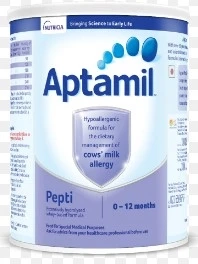
Aptamil Pepti Infant Formula 0 to 12 Months Tin 400gm
Brand: Nutricia International Private Limited
₹2000.00₹1960.00
View Details
4.88% Off
2.00% Off

View Details
Neocate LCP Infant Formula Powder 400GM
Brand: Nutricia International Private Limited
₹3300.00₹3234.00
View Details
Web Stories


Popular Lab Test

Free Doctor Consultation

Free Doctor Consultation

Free Doctor Consultation

Free Doctor Consultation

Free Doctor Consultation

Live Doctor consultation
Live Doctor Chat

Fees ₹99
General Physician

Dr. Syed Mukhtar Mohiuddin
MBBS, MD , Fellowship in Diabetes Mellitus (UK)
- 7 Years
- English
Available at 00:00 to 07:00
Fees ₹99
General Physician
Fees ₹99
General Physician
Fees ₹99
General Physician
Fees ₹99
General Physician
Download Our App & Get Consultation from anywhere.